prostrate chamomile Care (Anthemis secundiramea)

prostrate chamomile

About prostrate chamomile

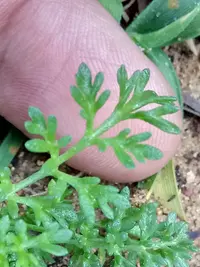
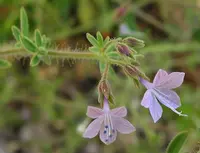
Prostrate chamomile (Anthemis secundiramea) is a low, mat-forming perennial herb grown mainly as a groundcover. It forms fine, feathery foliage with small, daisy-like flowers in season. The plant naturally occurs in Mediterranean coastal regions, often in sandy or rocky soils, which explains its tolerance of heat, wind, and relatively poor substrates. Its creeping habit helps it fill gaps between stones or pavers, creating a soft, aromatic carpet when brushed or stepped on lightly. This species is generally easy to grow if given sun, good drainage, and moderate moisture. For gardeners learning how to care for prostrate chamomile, its main needs are avoiding waterlogged soil and providing enough light.

Main Plant Requirements

Care Difficulty

Easy Care

Light Preference

Full Sun

Water Requirements

Low Water

Temperature Preference

Warm Climate

Hardiness Zone

8–11

Soil Texture

Sandy, Loamy, Rocky

Soil pH

Slightly acidic (6.5–7.0), Slightly alkaline (7.0–7.5)

Soil Drainage

Well-drained

Fertilization

Minimal (feed rarely)

Get Personalized Care Plan

Scan your plant to receive care tips personalized for your specific plant

Available on iOS and Android

How to Care for the prostrate chamomile

Anthemis secundiramea thrives in bright, open sites with strong sun exposure.

  • Provide 6–8 hours of direct sun daily; morning and midday sun are ideal, while intense late-afternoon sun in hot summers may scorch foliage in very dry sites.
  • The plant tolerates light partial shade for 2–3 hours a day, but flowering and dense growth decline if it receives less than about 4–5 hours of direct light.
  • In cooler seasons, prostrate chamomile benefits from as much direct sun as possible, while in very hot climates, use nearby plants or stones for slight filtered shade at peak afternoon hours.

Anthemis secundiramea prefers dry to moderately dry conditions and is sensitive to excess moisture.

  • Allow the top 3–5 cm of soil to dry before watering; in well-drained ground this often means watering only after several rain-free days, especially on sandy soils.
  • Use sharply drained soil or a sloped site so water runs off; persistent wetness, yellowing leaves, and soft stems signal overwatering and possible root rot.
  • In cool or rainy seasons, watering is rarely needed, while in hot, windy weather, watch for dull, limp foliage and dry, crumbly soil as cues to water lightly.

This species is adapted to warm, dry climates and does best with mild winters and moderate summer heat.

  • Optimal growth occurs around 65–80°F (18–27°C), where foliage stays compact and flowering is most consistent through the growing season.
  • The plant tolerates brief drops to about 25–28°F (-4 to -2°C), but repeated hard frosts or freezes below this range can damage or kill top growth.
  • In hotter regions, it copes with 90–95°F (32–35°C) if soil is free-draining and roots are not waterlogged, but prolonged extreme heat combined with high humidity can weaken plants.

Anthemis secundiramea handles a wide humidity range and rarely needs special humidity management.

  • Target 30–60% humidity, similar to most indoor and outdoor living spaces in temperate homes and gardens.
  • This species tolerates dry air well; occasional brief drops below 30% usually do not cause lasting damage.
  • Watch for crisp leaf tips or stalled growth in prolonged very dry, hot conditions and improve air moisture by grouping plants or placing trays of water and pebbles nearby when caring for prostrate chamomile.

Anthemis secundiramea prefers lean, well-drained, mineral soils that never stay waterlogged.

  • Use a sandy or sandy-loam mix with coarse texture to keep water moving and roots aerated.
  • Blend roughly 50–70% coarse sand or grit with 20–40% standard potting mix and 10–20% fine gravel or perlite for drainage.
  • Aim for slightly alkaline to neutral pH around 6.8–7.5; avoid strongly acidic mixes or heavy peat-based blends.
  • Avoid dense clay, compacted ground, or sites where water pools after rain, as chronic saturation quickly leads to root decline and rot.

This mat-forming species suits container growing when drainage and root space are managed carefully.

  • Choose a wide, shallow pot so the spreading roots and stems can form an even mat rather than crowding in depth.
  • Select a container material with moderate porosity, such as unglazed clay, to help excess moisture evaporate between waterings.
  • Raise the pot slightly on feet or bricks so drainage holes clear quickly and runoff does not reabsorb into the root zone.

This low-growing perennial needs only light feeding to stay dense and healthy, which suits prostrate chamomile in lean soils.

  • Use a balanced, slow-release fertilizer (for example 10-10-10) or a thin layer of compost in spring.
  • Feed lightly every 6–8 weeks during the main growing season if growth looks weak.
  • Apply at half the label strength to avoid soft, floppy foliage.
  • Stop feeding in late summer so growth can harden before winter dormancy.

Pruning Anthemis secundiramea keeps the mat tidy and encourages fresh flowering growth.

  • Shear lightly after the main bloom in late spring or early summer to maintain a low, even carpet.
  • Remove dead, damaged, or leggy stems with clean hand shears to reduce disease risk.
  • Thin crowded patches to improve air flow and prevent dieback in the center of the clump.
  • Deadhead spent flower heads to extend blooming and keep the foliage looking neat.

This species is usually grown as a groundcover, so care focuses more on transplanting than on frequent repotting.

  • Transplant in early spring or early fall when weather is cool and soil is evenly moist.
  • Lift and move clumps only when growth becomes crowded or patches thin in the center.
  • For containers, shift up a pot size when roots circle the drainage holes or growth slows noticeably.
  • Minimize root stress by watering well before and after moving, and keep roots shaded during handling.

Anthemis secundiramea is commonly propagated to expand groundcover patches or refresh older plantings.

  • Divide established clumps in early spring or early fall, replanting sections at the same soil level.
  • Take 5–8 cm softwood tip cuttings in late spring and root them in a free-draining, slightly moist mix.
  • Provide bright indirect light, 65–75°F, and high humidity for cuttings until new growth appears.
  • Sow fresh seeds on the surface of well-drained soil, just pressing them in for light-dependent germination.

In mild climates this groundcover usually overwinters well, but some basic winter care helps maintain dense growth.

  • The foliage tolerates light frost but may suffer in prolonged freezes below about 20°F.
  • Apply a thin mulch layer around the root zone in late fall to buffer soil temperature.
  • Avoid heavy, waterlogged soils in winter to reduce root rot risk.

Care Tips

Edge Containment

Install shallow edging or stone strips around planting areas to keep the mat-forming stems from invading paths or lawn while still allowing them to spill slightly for a soft, groundcover look.

Foot-Traffic Management

Limit regular foot traffic to a few narrow stepping-stone routes through the planting so the plant can tolerate occasional treading without suffering from compaction or broken stems over the whole area.

Targeted Deadpatch Repair

If small patches die out in established carpets, lightly rake the bare spot, top-dress with a thin layer of gritty mix, then peg nearby flexible stems into the area so they root and refill the gap within a season.

Summer Shear Timing

After the main flowering flush, use shears to give the carpet a light, even trim before hot, dry weather peaks, which encourages fresh, dense regrowth and keeps the surface cooler and more resilient.

Salt and Spray Tolerance

In coastal sites, use its natural tolerance of salt spray by planting slightly back from the harshest exposure and mulching lightly with coarse sand or fine gravel to stabilize the soil while growing prostrate chamomile as a low seaside groundcover.

Common Pests and Diseases

Powdery mildew

This disease causes white, dusty patches on leaves and young stems, often in warm, dry air with poor air movement. Symptoms include distorted growth and a dull, grayish cast over the foliage mat.

Solution

Remove and discard affected stems or patches to reduce spore load, then improve air circulation by thinning crowded growth and avoiding overhead watering. If needed, apply a sulfur or potassium bicarbonate fungicide labeled for ornamentals, treating surrounding plants in the mat as well and keeping foliage as dry as possible.

Botrytis blight

This disease produces soft, brown, water-soaked areas on stems and foliage that quickly develop fuzzy gray mold, especially in cool, humid, or poorly ventilated spots. Symptoms include collapsing shoots and browning flower buds in dense groundcover patches.

Solution

Cut out and discard all soft or moldy tissue and any dead plant debris from the mat, then improve airflow by reducing overcrowding and avoiding evening watering. In persistent cases, use a labeled ornamental fungicide for gray mold and keep the surface of the planting slightly drier, especially in shaded or poorly drained sites when caring for prostrate chamomile.

Aphids

These insects cluster on tender stems and underside of leaves, sucking sap and causing curling, yellowing, and sticky honeydew on the low mat. This pest can attract sooty mold and may distort new growth and flower buds.

Solution

Rinse colonies off with a firm stream of water and pinch back heavily infested tips to remove the worst clusters. For ongoing infestations, use insecticidal soap or a light horticultural oil, coating stems and leaf undersides and repeating as needed while also reducing excess nitrogen fertilization that encourages soft, aphid-prone growth.

Spider mites

These pests are tiny sap-feeding arachnids that cause fine speckling, bronzing, and eventual dull browning of the foliage, often with very fine webbing in hot, dry weather. Symptoms include a patchy, dry appearance that reduces the ornamental value of the groundcover.

Solution

Increase humidity around plants by occasional hosing of the foliage and reduce heat buildup around hard surfaces, then wash foliage thoroughly to dislodge mites. If populations remain, apply insecticidal soap or a miticide labeled for ornamentals, ensuring thorough coverage of the inner mat where mites shelter, and monitor during hot, dry spells.

Leaf spot complex

This disease group causes small brown or tan spots on leaves that may merge into irregular blotches, leading to thinning patches in the carpet-like growth. Symptoms include premature leaf drop and a generally uneven, patchy look in affected areas.

Solution

Prune and dispose of badly spotted sections and remove fallen foliage from the planting surface to reduce pathogen spread. Water early in the day at soil level rather than overhead, improve airflow by light thinning, and if needed apply a broad-spectrum fungicide suitable for ornamental leaf spots, focusing on the most affected areas of the mat.

Interesting Facts

Native coastal specialist

This species is naturally restricted to rocky and sandy coastal habitats around the central Mediterranean, especially southern Italy and nearby islands, where it forms low mats close to the sea.

Salt and wind tolerant

It tolerates salt spray and strong coastal winds, which is why it can grow very near the shoreline where many other herbaceous species fail to persist.

Low, mat-forming growth

The plant has a prostrate, carpeting habit with finely divided foliage that helps it stay close to the ground, reducing water loss and physical damage in exposed seafront locations.

FAQs about prostrate chamomile

This species forms a low, spreading mat but is usually not aggressively invasive in typical garden conditions. It can slowly expand by self-seeding and creeping stems, so edge trimming and removing unwanted seedlings help keep it contained.

Grow Healthy Plants with Botan Care

Keep your plants happy and healthy with plant identification, disease detection, and easy care guidance.

Botan plant care app — identify plants on mobile

Explore More Plants