plains dozedaisy Care (Aphanostephus ramosissimus)

Also known as: Lazy Daisy
plains dozedaisy

About plains dozedaisy

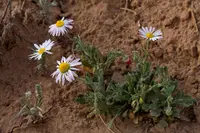
Plains dozedaisy, Aphanostephus ramosissimus, is a small, branching annual wildflower in the daisy family. It forms low mounds topped with many white, yellow-centered blooms. Native to dry prairies and open plains of the southern United States and northern Mexico, it is adapted to full sun, heat, and lean soils. This makes it a suitable option for low-input gardens and naturalistic plantings. The plant reseeds easily where conditions suit it, so it can return each year without much effort. With its drought tolerance and preference for well-drained, sandy or rocky soil, it is generally simple to care for plains dozedaisy in dry, sunny landscapes.

Main Plant Requirements

Care Difficulty

Easy Care

Light Preference

Full Sun

Water Requirements

Low Water

Temperature Preference

Warm Climate

Hardiness Zone

5–9

Soil Texture

Sandy, Loamy, Rocky

Soil pH

Slightly acidic (6.5–7.0), Neutral (7.0)

Soil Drainage

Well-drained

Fertilization

Minimal (feed rarely)

Get Personalized Care Plan

Scan your plant to receive care tips personalized for your specific plant

Available on iOS and Android

How to Care for the plains dozedaisy

This sun-loving annual thrives in open, bright prairie-type conditions with long hours of direct light.

  • Provide 6–8 hours of direct sun daily; morning to early afternoon sun promotes compact growth and abundant blooms on plains dozedaisy.
  • Plant in an open, unshaded site; light afternoon shade in very hot regions reduces leaf scorch and flower fade during midsummer.
  • Watch stems and flowering: lanky, stretched growth and sparse blooms indicate insufficient light, while crisped leaf edges suggest too much intense afternoon sun.

This drought-tolerant species prefers infrequent, deep watering and dries quickly in its native-style sandy or rocky soils.

  • Water only when the top 3–5 cm of soil are dry, then soak the root zone thoroughly so moisture reaches at least 10–15 cm deep.
  • Use fast-draining, gritty soil or a sloped site to prevent standing water; yellowing, soft stems signal overwatering and poor aeration.
  • In cooler seasons or during prolonged cloudy weather, extend the interval between waterings; persistent wilting in dry, hot spells indicates it is time to water Aphanostephus ramosissimus.

This species is adapted to warm, open habitats and performs best with mild to hot temperatures and low frost exposure.

  • Aim for active growth in 65–85°F (18–29°C); flowering remains reliable across this range in sunny, well-drained sites.
  • Expect foliage damage when exposed to temperatures near or below 28–30°F (-2 to -1°C); repeated frosts shorten plant lifespan.
  • In hot spells above 95°F (35°C), flowering may slow; light afternoon shade and maintained soil moisture help the plant tolerate short heat waves.

This species handles low household humidity and rarely needs special moisture management.

  • Target 30–50% humidity; avoid persistently damp, stagnant air that encourages mildew on plains dozedaisy foliage.
  • Dry indoor air is usually tolerated; only adjust humidity if leaves scorch at the tips while soil moisture is adequate.
  • If needed, raise humidity slightly by grouping plants or placing the pot on a pebble tray, keeping the pot base above the waterline.

This species prefers lean, fast-draining soil that mimics dry prairie or rocky sites.

  • Use a sandy or gritty mix, such as 50–60% cactus mix blended with coarse sand or fine gravel, to match natural Aphanostephus ramosissimus conditions.
  • Maintain strong drainage so water runs through in seconds, preventing roots from standing in moisture and reducing rot risk.
  • Aim for slightly acidic to neutral pH around 6.0–7.0; avoid peat-heavy mixes that hold water for long periods.
  • Improve aeration by adding perlite or pumice and avoid compacted, clay-based soil that restricts oxygen and dries unevenly.

This species is suitable for container growing in sunny outdoor spots.

  • Choose a wider, not overly deep pot to support its spreading habit while preventing excess wet soil at the bottom.
  • Select a clay or terracotta container if extra evaporation is needed in wet or humid climates.
  • Anchor lightweight pots with stones in the base layer to keep the plant stable in strong winds common on exposed patios or balconies.

This native wildflower, often called plains dozedaisy, needs only light feeding in typical garden soils.

  • Use a balanced, dilute liquid fertilizer (around 10-10-10) at 1/2 strength if growth or flowering seems weak.
  • Apply once every 4–6 weeks during active growth in spring and early summer, then stop by late summer.
  • In lean or sandy soils, mix a thin layer of compost into the topsoil before growth starts.
  • Avoid heavy or frequent feeding, which encourages weak, lanky growth and fewer flowers.

Aphanostephus ramosissimus benefits from light, timely pruning to maintain a compact, flowering mound.

  • Cut back spent flower stems in late spring and early summer to encourage continued blooming.
  • Remove dead, damaged, or crossing shoots with clean, sharp scissors or hand pruners.
  • Lightly shear or pinch back leggy growth to keep plants dense and low.
  • Avoid hard pruning into old, woody bases; focus on soft, current-season stems.

This species is most often grown in the ground, so care focuses on gentle transplanting rather than frequent repotting.

  • Transplant in early spring or early fall when temperatures are mild and soil is workable.
  • Move plants when growth slows, clumps crowd neighboring plants, or roots fill small nursery cells.
  • Lift with a generous soil ball to keep roots intact, minimizing disturbance and stress.
  • Water thoroughly after planting, then keep soil evenly moist for 1–2 weeks until new growth resumes.

Aphanostephus ramosissimus is commonly propagated from seed for landscape and restoration use.

  • Sow fresh seeds in fall or very early spring so they experience natural cool, moist conditions.
  • Use a well-drained, sandy seed mix and press seeds lightly onto the surface with minimal covering.
  • Keep the medium evenly moist but not saturated until germination, providing bright light and good air flow.
  • Once seedlings form several true leaves, thin or transplant carefully to avoid root damage.

This species is generally cold hardy in its native range and usually needs minimal winter care.

  • In regions with occasional hard freezes, apply a light 3–5 cm mulch to stabilize soil temperature.
  • Avoid waterlogged soil in winter, which increases root rot risk in dormant plants.
  • Container-grown specimens in colder climates can be moved to a sheltered, unheated porch or cold frame.

Care Tips

Encourage Bushy Growth

Pinch back the soft tips of young stems once or twice in early spring to encourage denser, bushier plants and more flowering shoots rather than tall, floppy growth.

Prevent Lodging In Wind

In exposed sites, plant in small, tight groups and use low, discreet hoops or short twiggy branches as support so stems lean together and are less likely to snap in strong wind.

Extend Bloom Window

Shear the plant lightly with clean shears after the first heavy flush of flowers fades, removing spent blooms and 2–3 cm of stem to stimulate a second round of buds.

Manage Self‑Seeding

If natural reseeding is desired, allow some flower heads to mature fully and dry on the plant, then shake them gently over bare, open soil in late summer to ensure the next generation establishes close to the mother plant.

Plan For Short Lifespan

Treat this species as a short‑lived perennial or self‑sowing annual and set aside a small nursery strip to trial new seedlings each year, which makes caring for plains dozedaisy more sustainable over time.

Common Pests and Diseases

Leaf spot fungi

This disease causes small tan to brown spots on older leaves, sometimes with a darker margin and occasional yellowing around the lesions. Symptoms include scattered spotting that may increase after periods of warm, wet weather.

Solution

Remove and dispose of heavily spotted foliage and spent flower stalks, and avoid overhead watering so leaves dry quickly. Improve spacing and airflow around plants, and if leaf spots spread during extended wet periods, apply a labeled ornamental fungicide containing chlorothalonil or copper, following local regulations and label directions.

Powdery mildew

This disease shows up as a white to gray powdery coating on leaves and sometimes stems, often during warm days and cool, humid nights. Symptoms include dull, distorted foliage and reduced flowering if the infection is heavy.

Solution

Thin surrounding vegetation to increase light and airflow, and water at soil level rather than over the foliage. Remove the worst-affected stems and use a sulfur or potassium bicarbonate fungicide labeled for ornamentals at the first sign of infection if conditions remain favorable for mildew.

Aphids

These insects cluster on new growth and flower stems, sucking sap and causing curling, distortion, and sticky honeydew that can attract ants. This pest can reduce vigor and flowering when populations are high.

Solution

Spray colonies off with a strong stream of water every few days, targeting the undersides of leaves and tender stems. Encourage or introduce natural enemies such as lady beetles, and if needed, use insecticidal soap or a light horticultural oil, applied in the early morning or evening to avoid leaf scorch, as part of practical Aphanostephus ramosissimus plant care.

Spider mites

These pests are tiny sap-feeding arachnids that cause fine stippling, a dull grayish cast to foliage, and delicate webbing between leaves and stems, especially in hot, dry weather. Symptoms include slow decline and premature leaf drop if populations build up.

Solution

Increase humidity around plants slightly with occasional overhead rinsing in the morning, and regularly hose down foliage to physically remove mites. If infestations persist, apply insecticidal soap or a low-impact miticide labeled for ornamental plants, making sure to spray the undersides of leaves where mites concentrate.

Interesting Facts

Great Plains specialist

This species is native to the south-central United States and northern Mexico, where it is particularly characteristic of open, dry sites in the southern Great Plains, such as prairies, roadsides, and disturbed rangelands.

Adapted to disturbance

It often appears in recently disturbed or overgrazed areas, benefiting from reduced competition and open soil, which allows its small seeds to establish and its seedlings to receive full light.

Tiny composite flowerheads

Each apparent flower is actually a composite head with both ray and disc florets, a typical aster family feature, but in this species the heads are relatively small and delicate, giving the plant a fine-textured appearance in mass.

FAQs about plains dozedaisy

Lack of flowers usually comes from insufficient light, overly rich nitrogen fertilizer, or old, exhausted plants. Ensure full sun, avoid high-nitrogen feeds, and deadhead spent blooms to encourage continued flowering during the warm season.

Grow Healthy Plants with Botan Care

Keep your plants happy and healthy with plant identification, disease detection, and easy care guidance.

Botan plant care app — identify plants on mobile

Explore More Plants