Antirrhinum molle Care

Antirrhinum molle

About Antirrhinum molle

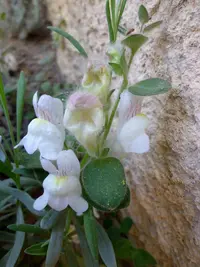
Antirrhinum molle is a small perennial or short-lived subshrub in the snapdragon family, forming low, branching clumps with soft, often slightly hairy foliage. Its tubular flowers, usually in pale shades, appear in loose clusters and attract pollinators such as bees.

This species is native to parts of the western Mediterranean, where it grows on rocky slopes and dry, well-drained sites. It suits gardeners who can provide sun, moderate moisture, and gritty, low-fertility soil.

Once established, it is relatively undemanding but can resent heavy, wet conditions and poor air circulation. Understanding how to care for Antirrhinum molle starts with matching its dry, sunny natural habitat as closely as possible.

Main Plant Requirements

Care Difficulty

Moderate Care

Light Preference

Full Sun

Water Requirements

Moderate Water

Temperature Preference

Warm Climate

Hardiness Zone

8–10

Soil Texture

Sandy, Loamy, Rocky

Soil pH

Acidic (5.5–6.5), Slightly acidic (6.5–7.0)

Soil Drainage

Well-drained

Fertilization

Minimal (feed rarely)

Get Personalized Care Plan

Scan your plant to receive care tips personalized for your specific plant

Available on iOS and Android

How to Care for the Antirrhinum molle

This species prefers bright outdoor conditions with direct sun for strong flowering.

  • Provide 6–8 hours of sun daily, ideally with morning sun and light afternoon shade in hotter regions to reduce leaf scorch.
  • Tolerates light partial shade (around 3–4 hours of sun), but Antirrhinum molle will produce fewer, weaker blooms if light is too low.
  • In summer, protect from intense late-afternoon sun in very hot climates; in winter, choose the sunniest spot available to maintain compact growth.

Watering should keep the soil evenly moist but never saturated.

  • Allow the top 2–3 cm of soil to dry before watering again; use fingertips to check, rather than following a fixed schedule.
  • Ensure sharply drained soil so excess water runs off freely; persistent soggy soil leads to root rot and yellowing, limp foliage.
  • In cooler seasons or during cloudy weeks, reduce frequency as evaporation slows; wilting and dry, crisp leaves signal underwatering, while soft, yellowing stems suggest overwatering.

This plant grows best in mild, temperate outdoor conditions.

  • Aim for active growth in 55–70°F (13–21°C); flowering is strongest in the cooler part of this range, typical of spring and early fall.
  • Tolerates brief dips to about 28–30°F (-2 to -1°C), but repeated hard frosts can damage buds and young growth, so use light protection in cold snaps.
  • In hot spells above 80–85°F (27–29°C), flowering may slow; provide afternoon shade and consistent soil moisture to reduce heat stress.

This plant grows best in moderate air moisture but usually handles typical household conditions.

  • Aim for 40–60% humidity, as very dry air can slow growth and reduce flower quality in Antirrhinum molle.
  • Watch for crisp leaf edges and buds that dry before opening as signs of low humidity stress.
  • Increase humidity locally by grouping pots together or placing containers on a pebble tray with water below pot level.

This species prefers light, well-aerated soil that drains quickly yet holds some moisture.

  • Use a loose, sandy or loamy mix with fine texture so roots can spread easily without becoming waterlogged.
  • Aim for slightly acidic to neutral pH around 6.0–7.0 to support nutrient uptake and stable growth.
  • Combine roughly 50% compost, 30–40% coarse sand, and 10–20% perlite to balance fertility, drainage, and aeration.
  • Avoid heavy clay, compacted ground, or mixes that stay wet for more than 1–2 days after watering to limit root disease.

This species is suitable for container growing when the pot and substrate are managed to stay moist but never saturated.

  • Choose a pot at least 20–25 cm deep to support its taproot and prevent stunting in mid-season.
  • Use a relatively light container material if pots will be moved often, but ensure enough weight that wind does not tip them over.
  • Elevate containers on pot feet or bricks so drainage holes stay clear and excess water can exit quickly after rain or watering.

This plant benefits from light, balanced feeding during active growth but does not need heavy fertilization.

  • Use a balanced liquid or water‑soluble fertilizer (for example 10‑10‑10) at 1/2 strength for caring for Antirrhinum molle in pots or lean soils.
  • Apply every 3–4 weeks during spring and summer while plants are actively flowering.
  • Skip feeding in late fall and winter, or when plants slow down or die back.
  • In rich garden soil, rely mainly on compost or a light slow‑release product at planting time.

Thoughtful pruning keeps Antirrhinum molle compact, encourages flowering, and maintains plant health.

  • In spring and through flowering, deadhead spent blooms by snipping just above a leaf node to extend the blooming period.
  • Remove dead, diseased, or storm‑damaged stems as soon as seen, using clean, sharp scissors or hand pruners.
  • Thin crowded stems lightly to improve air flow, which lowers the risk of fungal problems and keeps plants upright.
  • At season’s end, cut back dying growth close to the base if plants are not needed for reseeding.

This species is usually grown in beds or borders, so transplanting young plants is more common than repotting mature ones.

  • Transplant seedlings outdoors in spring after frost, when they have 3–4 true leaves and strong root systems.
  • Shift container plants only if roots circle the pot, growth stalls, or watering becomes difficult.
  • Move to a container just 1–2 in wider with free‑draining mix, keeping the original soil level at the same height.
  • Water thoroughly after transplanting, then keep soil slightly moist and shaded for a few days to limit root stress.

Antirrhinum molle is most often propagated from seed, which allows many plants to be raised at low cost.

  • Sow fresh seed in late winter to early spring under cover, or in early spring outdoors in mild regions.
  • Press tiny seeds onto the surface of a fine, moist seed mix; do not bury, as light supports germination.
  • Maintain 60–70°F, bright indirect light, and steady moisture until germination in 10–21 days.
  • Once seedlings have several true leaves, harden off gradually, then plant out in well‑drained soil.

In most mild climates this plant behaves as a cool‑season annual or short‑lived perennial and needs only modest winter attention.

  • Plants tolerate light frosts but can be damaged by hard freezes, especially in poorly drained soil.
  • Apply a thin mulch layer around the root zone in cold regions to moderate soil temperature.
  • In containers, move pots to a sheltered spot such as an unheated porch or cold frame during freezing spells.

Care Tips

Pinch For Bushiness

When young plants reach 8–10 cm, pinch out the soft shoot tips above the second or third leaf pair to encourage branching and produce more flowering stems.

Staggered Succession Sowing

Sow small batches every 2–3 weeks in late winter to early spring so flowering is spread over a longer period and plants do not all finish at once.

Targeted Deadheading

Regularly remove spent flower spikes just above a healthy leaf node, but leave a few late-season spikes to set seed if you want natural reseeding in the same bed.

Low Wind Protection

In exposed sites, place a low, open mesh windbreak or use pea netting supported by short canes so the fine stems do not snap in strong wind while still getting full light and air.

Preventive Rust Monitoring

Inspect foliage weekly, especially lower, older leaves, for early signs of rust (small orange-brown pustules) and remove affected leaves promptly to slow spread, which is an important step when caring for Antirrhinum molle in humid conditions.

Common Pests and Diseases

Rust

This disease causes orange, yellow, or brown powdery pustules on leaves and stems, often leading to yellowing and premature leaf drop.

Solution

Remove and dispose of affected leaves, avoid overhead watering, and space plants to improve airflow; in persistent cases, apply a sulfur or copper-based fungicide labeled for ornamental rust, following label directions.

Powdery mildew

This disease produces white, powdery growth on leaves and young stems, which may become distorted and lose vigor.

Solution

Increase air circulation, water at the base to keep foliage dry, and remove heavily affected plant parts; if needed, use a potassium bicarbonate or neem oil product labeled for powdery mildew and apply in cool, dry conditions.

Aphids

These insects cluster on tender shoots and buds, sucking sap and causing curling leaves, distorted growth, and sticky honeydew that can attract sooty mold.

Solution

Spray infested shoots with a firm stream of water to dislodge insects, then treat remaining colonies with insecticidal soap or horticultural oil, repeating every 5–7 days until populations are reduced.

Snapdragon leaf miner

This pest creates winding, pale tunnels inside the leaves, reducing photosynthesis and making foliage look blotchy and weak.

Solution

Promptly remove and discard mined leaves to interrupt the life cycle, and use yellow sticky traps to monitor flying adults; in heavier infestations, apply a systemic insecticide containing spinosad according to label instructions.

Botrytis blight

This disease causes grey, fuzzy mold on flowers, buds, and damaged tissues, often starting in cool, damp conditions and leading to blighted blossoms and stems.

Solution

Remove spent flowers and infected material, improve drainage and air movement, and avoid wetting the blooms; in severe cases, use a botrytis-targeted fungicide and rotate products to reduce resistance, as part of broader Antirrhinum molle care instructions.

Interesting Facts

Iberian limestone specialist

This species is naturally restricted to parts of the Iberian Peninsula, where it grows on dry, rocky limestone slopes and cliffs, often in crevices with very shallow, nutrient-poor soils.

Softly hairy foliage

The leaves and young stems are covered with fine, soft hairs, giving the plant a noticeably velvety texture that helps reduce water loss and offers some protection from strong sun and desiccating winds in its native habitats.

Low, cushion-like habit

Unlike many tall garden snapdragons, this species forms a low, spreading to cushion-like subshrub, an adaptation that helps it withstand exposure and wind on open, stony hillsides.

FAQs about Antirrhinum molle

This species is attractive to a range of pollinators, especially small bees. Its tubular flowers offer nectar and pollen. Planting it in groups increases visibility and provides a more reliable food source for beneficial insects.

Grow Healthy Plants with Botan Care

Keep your plants happy and healthy with plant identification, disease detection, and easy care guidance.

Botan plant care app — identify plants on mobile

Explore More Plants