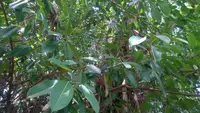
Indian Borage Care (Coleus amboinicus)

Also known as: Mexican mint, Cuban oregano, Soup Mint
Indian Borage

About Indian Borage

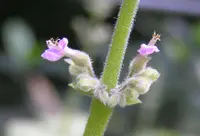
Indian borage, Coleus amboinicus, is a strongly aromatic, soft-stemmed perennial herb often grown in pots or small garden beds. It forms a low, branching mound with thick, fuzzy, scalloped leaves that release a pungent, oregano-like scent when touched.

This species is native to parts of Africa and the Indian Ocean region, but it is now widely grown in tropical and subtropical areas as a culinary and medicinal herb. It is generally easy to grow, as it tolerates heat, brief dryness, and pruning, which makes it suitable for beginners who want to learn how to care for Indian Borage.

It grows best in bright light, well-drained soil, and with protection from cold or prolonged wet conditions.

Main Plant Requirements

Care Difficulty

Easy Care

Light Preference

Partial Sun

Water Requirements

Moderate Water

Temperature Preference

Tropical / Frost Sensitive

Hardiness Zone

9–11

Soil Texture

Sandy, Loamy, Organic-rich

Soil pH

Acidic (5.5–6.5), Slightly acidic (6.5–7.0)

Soil Drainage

Well-drained

Fertilization

Light (every 4–6 weeks)

Get Personalized Care Plan

Scan your plant to receive care tips personalized for your specific plant

Available on iOS and Android

How to Care for the Indian Borage

Coleus amboinicus grows best with bright, indirect light and protection from harsh midday sun.

  • Provide 4–6 hours of morning sun or bright, filtered light; use light shade or dappled sun from midday onward, especially in hot climates.
  • Tolerates partial shade, but very low light causes weak, leggy growth and reduced leaf aroma; move to a brighter spot if stems stretch.
  • Intense afternoon sun can scorch leaves, causing pale, crispy patches; in summer shift plants to light shade, in winter move them to the brightest safe location.

This semi-succulent herb prefers slightly dry intervals between thorough waterings to prevent root problems.

  • Water when the top 2–4 cm of soil feels dry; soak the root zone, then let excess drain fully to avoid standing water.
  • Reduce watering in cooler months as growth slows, but do not allow soil to stay completely dry for many days during active growing periods.
  • Soft, yellowing, or mushy stems signal overwatering, while drooping, thin, or wrinkled leaves suggest underwatering; adjust moisture and drainage accordingly.

This plant prefers warm, stable conditions and is sensitive to cold and frost.

  • Aim for 65–80°F (18–27°C) for steady growth, with slightly cooler nights still acceptable if kept above the minimum threshold.
  • Protect from temperatures below 50°F (10°C); brief drops near this level can stunt growth, and frost quickly damages or kills stems and leaves.
  • Tolerates short periods up to about 90°F (32°C) if soil moisture is adequate and light is filtered; provide shade and airflow during heatwaves to limit stress.

Coleus amboinicus handles a wide humidity range but grows best with moderately moist air.

  • Aim for 40–60% humidity, similar to most household conditions, for steady growth.
  • It tolerates drier air but may show brown, crisp leaf edges and slower growth if humidity stays very low.
  • Increase humidity by grouping plants, placing the pot on a pebble tray with water below the pot base, or using a small room humidifier near Indian Borage.

Coleus amboinicus prefers a light, fast-draining, slightly fertile substrate.

  • Use a loose mix such as 60–70% all-purpose potting mix with 20–30% perlite plus a small amount of compost for nutrients.
  • Soil should drain freely within a few seconds of watering and never stay soggy, which can lead to root rot.
  • Aim for slightly acidic to neutral pH, around 6.0–7.0, which supports nutrient availability.
  • Improve aeration and drainage by avoiding heavy clay, adding coarse sand or perlite, and breaking up any compacted or crusted surface.

This species is well suited to container growing and responds reliably when given stable root conditions.

  • Choose a wide, shallow to medium-depth pot to accommodate its spreading habit and keep the root zone evenly aerated.
  • Use a pot material that matches your climate, such as terracotta for wetter regions or plastic for very dry, hot conditions to moderate moisture loss.
  • Stabilize trailing or top-heavy growth by using a heavier container base or placing the pot in a cachepot that reduces tipping risk.

Coleus amboinicus responds well to modest, consistent feeding during active growth.

  • Use a balanced liquid fertilizer (such as 10-10-10 or 20-20-20) diluted to 1/4–1/2 strength for container plants.
  • Apply every 3–4 weeks in spring and summer when growth is strongest, especially for Indian Borage indoor care.
  • Reduce feeding to once in late fall and once in midwinter, or stop if growth pauses.
  • In garden beds, mix in compost or a slow-release fertilizer at the start of the growing season instead of frequent liquid feeds.

Pruning keeps Coleus amboinicus compact, leafy, and productive for culinary use.

  • Pinch soft shoot tips in spring and summer to encourage branching and a bushier shape.
  • Remove dead, damaged, or crossing stems with clean scissors or pruning snips to maintain airflow.
  • Trim back long, leggy stems by 1/3 to control size and keep foliage dense.
  • Cut flower spikes as they appear to direct energy into leaf growth rather than seed production.

Healthy growth in Coleus amboinicus depends on timely repotting or transplanting to fresh, well-drained soil.

  • Check for roots circling the pot, pushing through drainage holes, or slowed growth as signs it needs more space.
  • Plan repotting or garden transplanting in spring, about every 1–2 years for container plants.
  • Move into a pot 2–5 cm wider with a loose, draining mix, handling roots gently to avoid tearing.
  • Water thoroughly after repotting, then keep in bright, indirect light for 5–7 days to reduce transplant shock.

New plants of Coleus amboinicus are most often produced from stem cuttings rather than seed.

  • Take 8–12 cm non-flowering stem cuttings in late spring or summer, just below a node.
  • Strip lower leaves and place cuttings in water or moist, well-drained potting mix under bright, indirect light.
  • Maintain warmth around 70–80°F and high humidity to support rooting within 1–3 weeks.
  • For division, gently separate well-rooted clumps in spring and replant immediately into fresh soil.

Cold conditions strongly limit outdoor survival of Coleus amboinicus in most climates.

  • Treat it as a tender plant; stems and foliage are damaged near 32°F and usually die with hard frost.
  • Move containers indoors before night temperatures drop below 40°F, placing them in bright, indirect light.
  • In mild climates, apply a light mulch around the root zone to moderate soil temperature and conserve moisture.
  • Reduce watering in winter so the soil dries slightly between waterings, preventing rot in cooler conditions.

Care Tips

Encourage Bushy Growth

Pinch out the soft shoot tips every 2–3 weeks during active growth to encourage dense, compact branching and prevent the stems from becoming long and weak.

Timed Harvesting Strategy

Harvest leaves lightly but regularly from multiple stems instead of stripping one branch, which keeps the plant in active growth and reduces stress on any single shoot.

Propagate From Prunings

Place 8–10 cm non-woody stem cuttings taken during routine trimming into clean water or moist, sterile potting mix to root new plants and maintain a succession of vigorous specimens when growing Indian Borage.

Prevent Stem Lodging

If stems start to sprawl and lie on the soil, lightly mound fresh mix around the lower nodes or reposition them into a slightly deeper container so new support roots can form and stabilize the plant.

Seasonal Pest Monitoring

Inspect the undersides of leaves and soft stems weekly during warm months and promptly rinse off or spot-treat early signs of aphids or spider mites to avoid infestations spreading through the dense foliage.

Common Pests and Diseases

Spider mites

This pest often appears in hot, dry conditions and feeds on the undersides of leaves, causing stippling, leaf curling, and fine webbing on Indian borage foliage.

Solution

Rinse leaves thoroughly with a strong but controlled stream of water, then wipe undersides with a damp cloth and increase humidity and air movement; if needed, apply insecticidal soap or a light horticultural oil, repeating every 5–7 days until no new damage appears.

Mealybugs

These insects cluster in leaf joints and along stems, forming white, cottony masses that suck sap and can cause leaf yellowing, distortion, and stunted growth.

Solution

Remove heavily infested shoots, dab remaining colonies with cotton swabs dipped in isopropyl alcohol, then treat the whole plant with insecticidal soap, ensuring coverage of crevices and repeating treatments weekly until all signs are gone.

Aphids

These insects feed on tender new growth, causing curling, distortion, and sticky honeydew that can attract sooty mold on the aromatic foliage.

Solution

Spray the plant with a firm stream of water to dislodge colonies, then use insecticidal soap or neem-based products on young shoots and leaf undersides, checking and retreating every few days until no live aphids are seen.

Powdery mildew

This disease presents as white, powdery patches on leaves and stems, often spreading quickly in warm, dry air with poor circulation and leading to leaf yellowing and drop.

Solution

Remove and discard affected leaves, improve spacing and airflow around the plant, avoid overhead watering, and apply a sulfur-based or potassium bicarbonate fungicide labeled for herbs, repeating according to label directions until new growth is clean.

Leaf spot

Symptoms include small water-soaked or brown spots on leaves that may enlarge, merge, and cause localized yellowing, especially in plants kept with frequent overhead watering or crowded foliage.

Solution

Prune and discard affected leaves, keep foliage as dry as possible by watering at the base, improve air circulation, and if needed use a copper-based fungicide, monitoring new growth and removing any additional spotted tissue promptly.

Interesting Facts

Strong camphor aroma

The leaves contain aromatic compounds such as carvacrol and thymol, which give the plant its intense camphor-like scent when touched or crushed.

Semi-succulent foliage

Its leaves and stems are semi-succulent, meaning they store water in thick, fleshy tissues, which helps the plant tolerate short dry periods in warm climates.

Clonal propagation habit

This species roots very easily at stem nodes, so broken or trailing stems can form new plants wherever they touch suitable soil, allowing it to spread vegetatively in gardens and pots.

Botan icon

Did you know?

In many parts of tropical Asia and East Africa, this species is traditionally grown near kitchens and doorways so its highly aromatic leaves are always on hand as a fresh seasoning for meat, fish, and bean dishes.

FAQs about Indian Borage

Browning leaves usually result from underwatering, excess direct sun scorch, or fertilizer burn at the roots. Check soil moisture, reduce strong midday sun, flush excess salts with plain water, and trim dead tissue to prevent rot spreading.

Grow Healthy Plants with Botan Care

Keep your plants happy and healthy with plant identification, disease detection, and easy care guidance.

Botan plant care app — identify plants on mobile

Explore More Plants