scarlet hedgenettle Care (Stachys coccinea)

scarlet hedgenettle

About scarlet hedgenettle

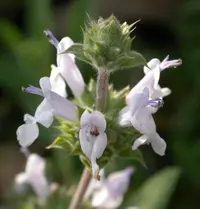
Scarlet hedgenettle (Stachys coccinea) is a herbaceous perennial or short-lived shrub in the mint family, valued for its bright tubular red flowers. It typically forms upright, branching stems with soft, slightly hairy leaves and blooms in long spikes that attract hummingbirds and other pollinators.

This species is native to the southwestern United States and Mexico, where it grows in open woodlands, canyons, and rocky slopes. It is generally considered easy to grow, as it tolerates heat, some drought once established, and a range of garden soils.

Light shade to full sun and evenly moist, well-drained soil support strong flowering. Understanding how to care for scarlet hedgenettle helps keep plants compact, floriferous, and long lived in garden settings.

Main Plant Requirements

Care Difficulty

Easy Care

Light Preference

Full Sun

Water Requirements

Moderate Water

Temperature Preference

Warm Climate

Hardiness Zone

8–10

Soil Texture

Sandy, Loamy, Organic-rich

Soil pH

Acidic (5.5–6.5), Slightly acidic (6.5–7.0)

Soil Drainage

Moist but well-drained

Fertilization

Minimal (feed rarely)

Get Personalized Care Plan

Scan your plant to receive care tips personalized for your specific plant

Available on iOS and Android

How to Care for the scarlet hedgenettle

Stachys coccinea grows best with ample sun but benefits from some protection during the hottest part of the day.

  • Provide 6–8 hours of direct sun, ideally with morning sun and light afternoon shade, especially in hotter regions.
  • Plant scarlet hedgenettle where it receives full sun in spring and fall, but allow partial shade in midsummer to reduce leaf scorch and stress.
  • Watch for tall, weak stems or sparse flowering as signs of insufficient light; move to a brighter site if this occurs.

Stachys coccinea prefers evenly moist, well-drained soil that does not stay saturated for long periods.

  • Water when the top 3–5 cm of soil feels dry, applying a deep soak rather than frequent light splashes to encourage deeper roots.
  • Use soil with good drainage and, in heavier ground, consider raised beds or amended soil to limit standing water and root rot risk.
  • In hot, dry weather, monitor for wilting or dull, limp foliage as signs of thirst; yellowing, mushy stems often indicate overwatering.

This species handles warmth well but is sensitive to hard frost and prolonged freezing conditions.

  • Aim for active growth in 65–85°F (18–29°C), where foliage and flowering remain strongest through the main growing season.
  • Plants usually tolerate brief dips to about 25–28°F (-4 to -2°C) but repeated freezes can damage stems, especially in poorly drained soil.
  • In hotter climates with summer highs above 95°F (35°C), provide afternoon shade and consistent moisture to reduce heat stress and leaf scorch.

This species handles a fairly wide humidity range but grows best with moderate ambient moisture.

  • Aim for 40–60% humidity; typical indoor and outdoor conditions in many homes and gardens are acceptable for scarlet hedgenettle.
  • Plants tolerate short dry-air spells, but prolonged very low humidity may cause leaf edges to turn brown and curl slightly.
  • Increase humidity around container-grown plants by grouping them, placing trays with water and pebbles nearby, or using a small room humidifier.

Stachys coccinea prefers loose, well-aerated soil that drains freely yet holds some moisture.

  • Use a loamy or sandy loam base with 20–30% compost to support steady growth without becoming waterlogged.
  • Improve drainage and aeration by blending in coarse sand or perlite, especially for heavy or compacted native soil.
  • Target a slightly acidic to neutral pH around 6.0–7.0, avoiding strongly acidic or alkaline conditions that limit nutrient uptake.
  • Avoid dense clay, poorly drained depressions, or constantly wet spots, which increase the risk of root rot and stunted growth.

This species is suitable for container growing when provided with adequate root space and drainage.

  • Choose a pot at least 25–30 cm wide to give spreading roots and stems enough horizontal room to develop dense growth.
  • Select a heavier material such as ceramic or thick terracotta outdoors to reduce tipping in wind as stems elongate and branch.
  • Raise containers slightly on pot feet or bricks so drainage holes stay clear and excess water can exit quickly after rain or irrigation.

Stachys coccinea grows well in average garden soil and benefits from light feeding in the active season.

  • Apply a balanced, slow-release fertilizer (e.g., 10-10-10) at half strength once in early spring for growing scarlet hedgenettle.
  • Supplement with a thin layer of compost around the root zone to support soil structure and microbial life.
  • During peak growth, use a diluted balanced liquid feed every 4–6 weeks if growth or flowering seems weak.
  • Stop feeding in late fall and winter to avoid soft, frost-sensitive growth.

Pruning helps keep Stachys coccinea compact, healthy, and flowering well.

  • In late winter or early spring, remove dead, damaged, or diseased stems with clean, sharp shears.
  • Shear or pinch back spent flower spikes through summer to encourage new blooms and denser growth.
  • Thin out crowded stems at the base to improve air movement and reduce foliar disease risk.
  • After flowering flushes, lightly shape plants to maintain a tidy mound without cutting into woody bases.

This species is usually grown in garden beds, so care focuses on transplanting rather than frequent repotting.

  • Transplant in spring or early fall when temperatures are mild and soil is workable.
  • Move plants when clumps outgrow their space, show congested stems, or flowering declines in the center.
  • Lift the clump carefully, keep as much root ball intact as possible, and replant at the same soil depth.
  • Water thoroughly after transplanting, then keep soil evenly moist for 1–2 weeks to limit transplant shock.

Stachys coccinea is commonly propagated by seed, softwood cuttings, and division.

  • Sow fresh seed in late winter to spring in trays with a light, well-drained mix; keep at 65–75°F and lightly moist.
  • Take 7–10 cm softwood stem cuttings in late spring, remove lower leaves, and root in moist, free-draining medium.
  • Divide mature clumps in early spring or early fall, keeping several shoots and roots per division.
  • Plant divisions or rooted cuttings in bright light with moderate moisture until established.

This plant is moderately cold hardy and usually needs only simple winter care in most mild to medium climates.

  • In regions with frost, allow top growth to die back naturally, then cut stems to a few cm above soil once dormant.
  • Apply a 5–8 cm layer of mulch around the root zone to buffer freeze–thaw cycles.
  • In colder zones or exposed sites, grow in containers and move to a sheltered, frost-free but cool location.

Care Tips

Pinch For Bushiness

Pinch out soft shoot tips when stems reach 10–15 cm to encourage branching, denser growth, and more flowering spikes rather than tall, floppy stems.

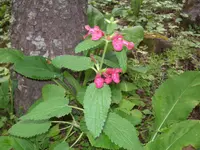
Timed Deadheading

Shear or snip off spent flower spikes every 1–2 weeks during peak bloom to extend the flowering season and reduce unwanted self-seeding in borders or mixed beds.

Light Support Staking

In windy or exposed sites, place low, discreet ring supports or short bamboo canes around young clumps in spring so stems grow up through them and stay upright without snapping.

Patch Renewal Division

Every 3–4 years, lift and divide crowded clumps in early spring, replanting only the most vigorous outer sections to maintain strong flowering and reduce disease pressure.

Targeted Pollinator Strip

When planning beds, group plants in a narrow strip or block rather than scattered singles, since dense clusters attract more hummingbirds and pollinators, which improves seed set and overall vigor when growing scarlet hedgenettle.

Common Pests and Diseases

Aphids

This pest clusters on tender stems and flower spikes, sucking sap and causing distorted growth and sticky honeydew that can attract sooty mold. Symptoms include curling new growth and reduced flowering.

Solution

Rinse colonies off flower spikes and stems with a strong but controlled stream of water, repeating every few days as needed. For persistent infestations, use insecticidal soap or a neem oil spray, applied in the early morning or evening and focused on the undersides of leaves and dense flower clusters.

Spider mites

These insects thrive in hot, dry conditions and feed on leaf undersides, causing fine stippling, dull foliage, and delicate webbing between stems and leaves. Symptoms include bronzing leaves and general loss of vigor, especially in container-grown plants or scarlet hedgenettle indoor care situations.

Solution

Increase humidity around plants and hose down the foliage thoroughly, paying attention to leaf undersides to dislodge mites. If populations remain high, apply a neem oil or horticultural oil spray, repeating at 7–10 day intervals until new growth appears clean and free of webbing.

Leaf spot

This disease appears as irregular brown, tan, or purplish spots on leaves, sometimes with a yellow halo, often following extended periods of warm, humid weather. Symptoms include premature leaf drop and a thinning appearance of the clump.

Solution

Remove and dispose of heavily spotted leaves to reduce inoculum, and water at the base rather than overhead to keep foliage dry. Improve air circulation by thinning crowded stems and, in severe cases, apply a labeled copper or chlorothalonil-based fungicide according to package directions.

Powdery mildew

This disease produces white, powdery patches on upper leaf surfaces and stems, especially where stands of plants are dense and air movement is low. Symptoms include yellowing, distorted leaves and reduced flowering over time.

Solution

Improve airflow by spacing plants properly and cutting back crowded stems, and avoid overhead watering late in the day. For active infections, remove heavily covered leaves and treat remaining foliage with a sulfur or potassium bicarbonate fungicide, reapplying as directed until new growth remains clean.

Thrips

These insects feed inside flowers and on young foliage, causing streaked, silvery, or deformed petals and leaves, and can reduce nectar quality for pollinators. Symptoms include blemished red blooms that fail to open fully or look scorched at the edges.

Solution

Cut and discard heavily damaged flower spikes and reduce nearby weeds that can host thrips. Use blue or yellow sticky traps to monitor populations, and if needed apply insecticidal soap or a spinosad-based spray directed into flower clusters and new growth, following label timing closely.

Interesting Facts

Hummingbird specialist

The bright tubular flowers are shaped and positioned to favor hummingbird pollination, and in much of its native range the plant depends largely on hummingbirds for effective cross‑pollination.

Summer–autumn bloomer

In suitable climates this species can flower from late spring through fall, producing successive spikes of scarlet blooms that provide a long seasonal nectar source for wildlife.

Native riparian herb

Stachys coccinea naturally occurs in moist canyons, stream edges, and open woodlands in the southwestern United States and Mexico, where it often helps stabilize soil along lightly disturbed, seasonally wet sites.

Botan icon

Did you know?

Molecular and morphological studies place Stachys coccinea within the mint family (Lamiaceae), and like many of its relatives it has square stems and opposite leaves, traits that help botanists quickly recognize it in the field.

FAQs about scarlet hedgenettle

Insufficient light, excess shade, or too much nitrogen fertilizer can reduce flowering. Old, woody stems also bloom less. Deadhead spent spikes, avoid heavy feeding, and ensure at least moderately bright conditions to support reliable flower production.

Grow Healthy Plants with Botan Care

Keep your plants happy and healthy with plant identification, disease detection, and easy care guidance.

Botan plant care app — identify plants on mobile

Explore More Plants