perilla Care (Perilla frutescens)

Also known as: Korean perilla, beefsteak plant, Perilla mint, Beefsteak mint, Chinese basil, wild coleus, summer coleus
perilla

About perilla

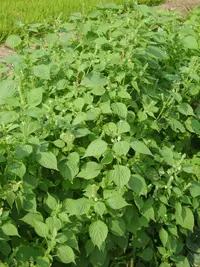
Perilla, Perilla frutescens, is an aromatic annual herb in the mint family, grown for its flavorful leaves and seeds. It forms leafy, bushy clumps with serrated, often slightly ruffled foliage in green or purple tones.

This plant is native to East Asia and is now cultivated in many temperate regions as a culinary and ornamental herb. It grows quickly from seed and adapts well to garden beds or containers.

Perilla prefers sun, consistent moisture, and well-drained soil, which makes it fairly approachable once established. Understanding how to care for perilla mainly involves managing light, water, and regular harvesting to keep plants compact and productive.

Main Plant Requirements

Care Difficulty

Easy Care

Light Preference

Full Sun

Water Requirements

Regular Water

Temperature Preference

Tropical / Frost Sensitive

Hardiness Zone

10–11

Soil Texture

Loamy, Sandy, Organic-rich

Soil pH

Acidic (5.5–6.5), Slightly acidic (6.5–7.0)

Soil Drainage

Moist but well-drained

Fertilization

Light (every 4–6 weeks)

Get Personalized Care Plan

Scan your plant to receive care tips personalized for your specific plant

Available on iOS and Android

How to Care for the perilla

This annual herb grows best with strong but not harsh sun exposure.

  • Provide 4–6 hours of direct morning sun plus bright light the rest of the day; in hot climates, give light afternoon shade to reduce leaf scorch.
  • Plant perilla where buildings, trees, or shade cloth soften intense sun from 12–4 p.m., especially in USDA zones with very hot summers.
  • Watch leaves for pale color and stretching, which signal too little light, or crisp brown edges, which indicate excessive sun exposure.

This species prefers steadily moist, well-drained soil without long dry or soggy periods.

  • Water when the top 2–3 cm of soil feels dry, aiming for evenly moist but never waterlogged conditions around the root zone.
  • Use loose, well-draining soil or raised beds so excess water can escape; add organic matter to improve moisture retention and drainage balance for Perilla frutescens.
  • In hot, windy summer weather, monitor more often for wilting or dull, drooping leaves, while yellowing, soft stems or swampy soil indicate overwatering.

This warm-season herb grows best in mild to warm conditions without frost exposure.

  • Aim for 70–85°F (21–29°C) for vigorous growth, with good airflow to prevent heat stress during hotter spells.
  • Avoid planting outdoors until nights stay above 55°F (13°C); growth slows noticeably below 60°F (16°C).
  • Protect plants from frost, as tissue damage occurs around 32°F (0°C) and below, and provide light shade plus consistent moisture during heat above 90°F (32°C).

Humidity is not a critical factor for Perilla frutescens in typical home or outdoor conditions.

Perilla frutescens prefers loose, well-aerated soil that holds moisture evenly but drains freely.

  • Use a loamy mix with 40–60% compost or well-rotted organic matter for moisture retention and nutrients.
  • Ensure fast drainage by blending in perlite or coarse sand so water does not stand around the roots.
  • Aim for slightly acidic to neutral pH, around 6.0–7.0, which supports nutrient uptake and root health.
  • Avoid heavy clay, compacted, or waterlogged ground; raise beds or amend with coarse material to improve structure.

This species is well suited to container growing for patios, balconies, and small gardens.

  • Choose a pot at least 20–25 cm deep so roots can spread without circling tightly near the base.
  • Use a slightly wider container to support its bushy, outward growth and reduce the risk of tipping in wind.
  • Select a heavier material such as ceramic or thick terracotta to stabilize the plant and moderate moisture swings.

This annual herb grows fast and responds well to light, balanced feeding in containers or poor soils.

  • Use a balanced liquid fertilizer (e.g., 10-10-10) at 1/2 strength every 2–3 weeks during the active growing season.
  • Alternatively, mix in compost or a mild slow-release fertilizer at planting for steady nutrition.
  • Stop feeding Perilla frutescens 4–6 weeks before expected frost and avoid fertilizing in winter.
  • Always apply fertilizer to moist soil to reduce root burn risk.

Thoughtful pruning helps Perilla frutescens stay compact, leafy, and productive for harvest.

  • Begin light pruning or pinching once plants reach 10–15 cm, ideally from late spring through midsummer.
  • Remove damaged, yellowing, or crowded stems to improve air flow and reduce disease risk.
  • Pinch or cut stem tips above a leaf pair to encourage branching and denser foliage.
  • Use clean, sharp scissors or snips to make quick, angled cuts and limit tissue damage.

This fast-growing annual is usually transplanted outdoors rather than long-term potted, so focus on gentle handling of young roots.

  • Transplant seedlings after frost when roots lightly fill starter cells but are not circling the container.
  • Move plants that show slowed growth from root congestion into a container 2–5 cm wider or into open ground.
  • Lift seedlings by the root ball or leaves, not stems, and keep roots shaded and moist during transfer.
  • Water thoroughly after transplanting, then shade for 1–2 days to limit transplant shock and encourage establishment.

Perilla frutescens is most commonly propagated from seed, which germinates reliably under warm, bright conditions.

  • Sow seeds indoors 4–6 weeks before the last frost or directly outdoors once soil warms to 65–75°F.
  • Press seeds onto the surface or barely cover, as light improves germination, and keep the medium evenly moist.
  • Provide bright light and good airflow to prevent damping-off, a fungal disease that kills seedlings.
  • Soft stem cuttings in late spring can also root in moist, well-drained mix under high humidity and indirect light.

This species is a frost-tender annual in most climates, so plants usually die back after hard frost and need no elaborate winter care.

  • In colder regions, allow plants to set seed in late season so new seedlings emerge next year.
  • Mulch garden soil lightly after plants die to protect any self-sown seed and soil structure.
  • Container plants in mild climates can be moved indoors before frost for short-term extension of leaf harvest.

Care Tips

Pinch For Bushiness

Start pinching out the soft shoot tips once plants reach 10–15 cm tall to encourage dense, leafy branching instead of tall, spindly growth.

Staggered Succession Sowing

Sow small batches every 3–4 weeks in spring and early summer so older plants can be harvested heavily while younger ones replace them, keeping a continuous supply of usable leaves.

Targeted Leaf Harvesting

Harvest by removing individual mature leaves from multiple stems rather than stripping a single branch, which keeps enough foliage for photosynthesis and extends the productive life of each plant.

Shade Net In Heat

In regions with intense summer sun, use 20–30% shade cloth during the hottest weeks to reduce leaf scorching and maintain tender texture and color in the foliage.

Aphid And Mite Monitoring

Inspect the undersides of leaves at least weekly and, at the first sign of aphids or spider mites, wash foliage with a firm water spray and follow with insecticidal soap if needed to protect yield when growing perilla.

Common Pests and Diseases

Leaf spot

This disease causes circular to irregular brown or purplish spots on leaves, sometimes with a lighter center and yellow halo. Symptoms include premature yellowing and dropping of older foliage in warm, humid conditions.

Solution

Remove and discard affected leaves, avoid overhead watering, and water early in the day so foliage dries quickly. Improve spacing and airflow around plants, and if the problem persists in outdoor beds, rotate plots and use a copper-based fungicide labeled for leafy herbs, following the label strictly.

Downy mildew

This disease produces pale yellow to light green patches on the upper leaf surface and a gray or purplish fuzzy growth on the undersides. Symptoms include leaf curling, distortion, and eventual leaf drop in cool, humid weather or crowded plantings.

Solution

Increase spacing, reduce humidity, and water at soil level to keep foliage dry. Remove heavily infected leaves or plants, dispose of them away from beds, and in recurring cases choose resistant seed lines and rotate growing areas for at least 2–3 years.

Cercospora blight

This disease causes small, angular to circular brown lesions on older leaves that can merge into larger dead areas, giving a scorched appearance. Symptoms include progressive leaf yellowing from the bottom of the plant upward and reduced growth.

Solution

Promptly remove and destroy infected leaves and plant debris, as the fungus can overwinter in old material. Use drip irrigation or careful hand watering, avoid overcrowding, and in field or large container plantings consider a preventative fungicide program labeled for Cercospora on leafy herbs if cultural measures are not sufficient.

Spider mites

These pests create fine webbing on the undersides of leaves and cause tiny yellow or white speckling that can lead to bronzing and leaf drop in hot, dry conditions. This pest is more problematic on perilla indoor care setups or plants grown in greenhouses.

Solution

Rinse foliage thoroughly with a firm but gentle stream of water, focusing on leaf undersides, and increase humidity around the plants. For persistent infestations, apply insecticidal soap or horticultural oil, repeating at labeled intervals and avoiding treatments during the hottest part of the day to prevent leaf burn.

Aphids

These insects cluster on young shoots and the undersides of leaves, sucking sap and causing curling, distortion, and sticky honeydew that can lead to sooty mold. This pest often appears on tender new growth, especially in nutrient-rich or sheltered sites.

Solution

Pinch off heavily infested shoot tips and wash remaining aphids off with a strong stream of water. Encourage natural predators such as lady beetles outdoors, and if needed use insecticidal soap or neem oil, coating all leaf surfaces and repeating as needed according to label directions.

Interesting Facts

Distinct chemotype forms

This species occurs in chemically distinct forms such as the aromatic shiso type rich in perillaldehyde and the odorless or mildly scented types used mainly for seed oil, a variation that strongly influences flavor and traditional culinary use.

C4-like photosynthetic traits

Although classified as a C3 plant, this species shows some C4-like photosynthetic characteristics, including certain anatomical and biochemical features that improve carbon fixation efficiency under strong light.

High alpha-linolenic content

The seeds are notable for their high content of alpha-linolenic acid, an omega-3 fatty acid, which makes perilla seed oil one of the richer plant-based sources of this essential fatty acid.

Botan icon

Did you know?

In parts of East Asia, this species has been historically cultivated not only as a herb and oilseed crop but also as a natural source of purple and red pigments for coloring pickled foods and traditional dishes, thanks to its high content of water-soluble anthocyanin compounds in the leaves and stems.

FAQs about perilla

Brown leaves commonly result from irregular watering, low humidity, or fertilizer burn. Consistently dry soil or sudden drought causes crisp edges, while overfertilizing scorches tips. Remove damaged leaves, adjust watering, and dilute fertilizer to support recovery.

Grow Healthy Plants with Botan Care

Keep your plants happy and healthy with plant identification, disease detection, and easy care guidance.

Botan plant care app — identify plants on mobile

Explore More Plants