Topdressing with grit
After potting, add a 0.5–1 cm layer of inert mineral grit (pumice, coarse sand, or fine gravel) on the surface to keep the stem base dry, reduce fungus gnat activity, and prevent algae or moss from forming around the crown.

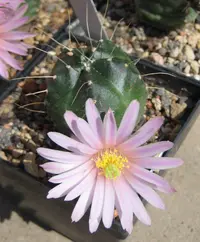
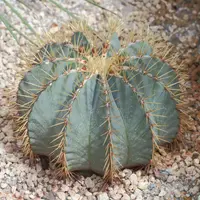
Echinocereus knippelianus is a small, slow-growing cactus species from high-altitude regions of Mexico. It forms rounded, often solitary stems with many fine ribs and short, dense spines that give it a neat, textured look. In season, it produces relatively large, showy funnel-shaped flowers that contrast strongly with the compact body. This species is adapted to bright light, cool nights, and very well-drained, mineral-rich soils. Its slow growth and sensitivity to excess moisture make it a bit more demanding than common beginner cacti. With stable light, careful watering, and a gritty substrate, it is manageable for patient growers who want to care for Echinocereus knippelianus successfully.

Care Difficulty
Moderate Care

Light Preference
Full Sun

Water Requirements
Low Water

Temperature Preference
Warm Climate

Hardiness Zone
9–11

Soil Texture
Sandy, Loamy, Rocky

Soil pH
Slightly acidic (6.5–7.0), Neutral (7.0)

Soil Drainage
Well-drained

Fertilization
Minimal (feed rarely)
Scan your plant to receive care tips personalized for your specific plant
Available on iOS and Android
This compact cactus prefers bright, high light that mimics its sunny, rocky mountain habitat.
This species needs infrequent, careful watering that allows the roots to dry between soakings.
This cactus favors warm, dry conditions but needs a cool, mostly dry rest in winter.
This cactus prefers dry air and rarely suffers from low household humidity.
This species needs a very fast-draining, mineral-rich substrate to prevent root rot.
This compact cactus is very suitable for container growing.
This compact desert cactus needs only light feeding to maintain steady growth in containers.
This species requires almost no structural pruning, with attention focused on hygiene and safety.
Repotting is infrequent, but correct handling is important to avoid root damage in this slow-growing cactus.
Propagation is possible by seed and, where offsets occur, by careful division.
Winter care focuses on keeping the plant cool, bright, and very dry to prevent rot.

Plant Health Check
Not sure what's wrong with your plant? Check your plant's health inside the app.
This species is native to high elevations in central Mexico, where it grows on limestone slopes and rocky outcrops, tolerating strong sun, large day–night temperature swings, and very thin, mineral-rich soils.
Mature plants develop a dense tuft of white wool and bristles at the apex, where the flower buds form, which helps protect sensitive tissues from intense UV radiation and rapid moisture loss.
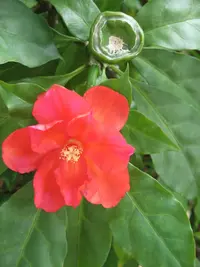
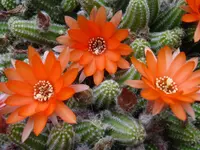
It produces relatively large, funnel-shaped pink to magenta flowers compared with its small body size, an adaptation that makes the blooms highly visible to pollinating insects in sparse mountain habitats.

This cactus often grows partially sunken into the ground, with only the upper part of the stem exposed, which helps buffer root temperatures, reduce water loss, and protect the plant from grazing animals in its native mountain environment.
Lack of flowers is usually linked to insufficient light, winter temperatures that are too warm, or overfertilizing. This species needs a cool, dry winter rest and strong light in the growing season to set buds reliably.
Keep your plants happy and healthy with plant identification, disease detection, and easy care guidance.