Echeveria pallida Care

Echeveria pallida

About Echeveria pallida

Echeveria pallida is a small, rosette-forming succulent from arid regions of Mexico. It stores water in thick, pale bluish-green leaves arranged in tight spirals. Mature plants stay compact and low, often producing offsets that slowly form clusters. Leaf edges can blush pink in strong light, adding ornamental value. This species suits containers, rock gardens, and indoor windowsills with bright, dry conditions. It is considered easy to grow as long as excess moisture is avoided and the soil drains very well. Understanding how to care for Echeveria pallida mainly comes down to providing strong light, infrequent watering, and a gritty, fast-draining substrate.

Main Plant Requirements

Care Difficulty

Easy Care

Light Preference

Full Sun

Water Requirements

Low Water

Temperature Preference

Tropical / Frost Sensitive

Hardiness Zone

10–11

Soil Texture

Sandy, Loamy, Rocky

Soil pH

Slightly acidic (6.5–7.0), Neutral (7.0)

Soil Drainage

Well-drained

Fertilization

Minimal (feed rarely)

Get Personalized Care Plan

Scan your plant to receive care tips personalized for your specific plant

Available on iOS and Android

How to Care for the Echeveria pallida

This sun-loving succulent needs bright, direct light for compact growth and strong leaf color.

  • Provide 4–6 hours of direct morning sun plus bright light the rest of the day; in very hot climates, give light afternoon shade to prevent leaf scorch.
  • Echeveria pallida tolerates light partial shade, but stems may stretch and leaf color fades if it receives under 4 hours of direct sun.
  • In summer, slowly acclimate plants moved outdoors to full sun over 7–10 days; in winter, choose the brightest spot available to offset low sun angles.

This drought-tolerant succulent prefers deep, infrequent watering with thorough drying in between.

  • Water only when the top 3–5 cm (1–2 in) of soil is completely dry, then drench so water exits the drainage holes or moves through the planting bed.
  • In spring and summer, drying may take 7–21 days depending on heat and soil; in cooler fall and winter conditions, watering often drops to once every 3–4 weeks.
  • Watch for overwatering signs such as soft, mushy leaves and blackened bases; wrinkled, folding leaves signal it is time to water if the soil is dry.

This species prefers warm, dry conditions and has low tolerance for hard frost.

  • Aim for 65–80°F (18–27°C) during active growth for best leaf color and compact rosettes.
  • Protect the plant when temperatures approach 32°F (0°C); short light frosts may damage leaf tips, while prolonged cold below 28°F (-2°C) can kill roots and crowns.
  • In summer, it tolerates up to 95°F (35°C) if soil is fast-draining and air moves well; avoid reflected heat from walls or pavement that can overheat roots.

This succulent handles low household humidity well and does not need extra moisture in the air.

This species needs very fast-draining, mineral-rich soil to prevent root and stem rot.

  • Use a gritty cactus mix made from about 50–70% inorganic materials such as pumice, coarse perlite, and 2–4 mm gravel.
  • Keep the organic fraction low, using only a small amount of sifted potting mix or fine bark to lightly bind the substrate.
  • Aim for slightly acidic to neutral pH around 6.0–7.0, which supports nutrient availability without encouraging rot organisms.
  • Avoid dense, moisture-retentive soils containing peat-heavy mixes, clay, or ungraded sand that compacts and reduces aeration around roots.

This species is well suited to container growing when the pot choice supports fast drainage and root stability.

  • Choose a shallow, wide pot so the relatively fibrous, spreading roots can anchor the rosette without leaving unused wet depth at the bottom.
  • Select unglazed terracotta in wet or cool climates because it allows faster evaporation and reduces the risk of prolonged soggy conditions.
  • Place a stable, heavy container in windy outdoor spots so the rosette does not tip or loosen the root ball as it enlarges.

This succulent benefits from light feeding but excess nutrients easily damage roots and leaves in Echeveria pallida.

  • Use a balanced liquid fertilizer (e.g., 10-10-10 or 20-20-20) diluted to 25–50% strength for container plants.
  • Feed once every 4–6 weeks during spring and summer, only on moist soil, then allow the mix to dry.
  • Skip compost-heavy or slow-release products that stay wet around the roots, which increases rot risk.
  • Stop feeding in fall and winter when growth slows, especially indoors or in cool conditions.

Pruning needs are minimal and mostly focused on hygiene and keeping rosettes attractive on Echeveria pallida.

  • Best time is late winter to early spring, before strong new growth starts.
  • Remove dead, yellowing, or damaged leaves at the base using clean fingers or small scissors.
  • Trim stretched, leggy stems and re-root the healthy rosette to maintain a compact shape.
  • Snip spent flower stalks close to the rosette once blooms fade to direct energy back to foliage.

Container-grown Echeveria pallida benefits from infrequent repotting into fresh, fast-draining mix.

  • Plan to repot every 2–3 years in spring when roots circle the pot, growth slows, or soil compacts.
  • Choose a shallow container with drainage and a gritty cactus/succulent mix to limit water retention.
  • Gently loosen the root ball, remove old or rotted roots, and let any breakage callus for 1–2 days.
  • After repotting, keep in bright shade and water lightly after 5–7 days to reduce transplant shock.

New plants of Echeveria pallida are commonly produced from leaf and stem cuttings rather than seed.

  • Take healthy leaves or rosettes on short stems in late spring to summer for best rooting.
  • Allow cut surfaces to dry and callus for 2–4 days before placing on or in dry, gritty mix.
  • Provide bright indirect light, warm temperatures around 70–80°F, and very light misting until roots form.
  • Once roots and small rosettes develop, pot individually and transition gradually to normal watering.

This succulent is frost-tender and needs protection from freezing conditions in most climates.

  • Avoid exposure below about 30°F; extended frost can damage leaves and kill the growing point.
  • Move containers indoors or into a bright, cool, frost-free space for winter in cold regions.
  • Keep soil almost dry, watering sparingly to prevent shriveling while limiting rot risk.
  • In mild climates, use very gritty soil and raised spots to improve drainage during winter rain.

Care Tips

Rotate for symmetry

Turn the pot 90° every 1–2 weeks during active growth so rosettes develop evenly and do not lean or stretch toward a single light source.

Use top dressing

Apply a 0.5–1 in layer of inert gravel or pumice on the soil surface to keep lower leaves dry, reduce fungus gnat breeding, and stabilize the shallow root zone.

Manage offset clusters

Thin or divide crowded offsets every 1–2 years using a clean, sharp knife so each rosette has space for airflow and light, which reduces rot in dense clumps.

Sun acclimation steps

When moving plants from indoors or shade to full sun, increase direct light exposure by 30–60 minutes every few days to prevent leaf scorch and stress.

Seasonal container checks

Inspect and refresh the top 2–3 cm of mix in long-term containers each spring, removing compacted or salt-crusted substrate so growing Echeveria pallida maintains good drainage at the root crown.

Common Pests and Diseases

Mealybugs

This pest hides in leaf axils and between tightly packed rosettes, sucking sap and leaving white cottony clusters. Symptoms include slowed growth, distorted new leaves, and sticky honeydew on nearby surfaces.

Solution

Isolate the plant, then dab visible insects with cotton swabs dipped in 70% isopropyl alcohol, taking care to reach deep between leaves. For heavier infestations, rinse the rosette with a strong but controlled stream of water, allow to dry fully, then use a neem oil or insecticidal soap spray labeled for succulents, repeating every 7–10 days until no new insects appear.

Aphids

These insects cluster on young leaves, bloom stalks, and flower buds, feeding on sap and causing curling, distortion, and sticky honeydew that can attract sooty mold. Infestations are often triggered when the plant is in active growth or flowering.

Solution

Remove heavily infested flower stalks, then hose the plant with a firm stream of water to dislodge aphids. After drying, apply insecticidal soap or neem oil to all plant surfaces in the cool part of the day, repeating weekly until the population is controlled and monitoring closely during flowering as part of ongoing Echeveria pallida care.

Soft scale

This pest appears as small, rounded, tan to brown bumps on leaves and stems that do not move when touched. These insects suck sap, weaken the plant over time, and may cause yellowing patches or sticky residue.

Solution

Gently scrape or wipe off individual scales with a fingernail or cotton swab dipped in 70% isopropyl alcohol, then inspect the undersides of leaves and the stem base. Follow up with a light application of horticultural oil or neem oil, ensuring good coverage of crevices, and repeat every 2–3 weeks until no new scales are seen.

Powdery mildew

This disease shows up as white, powdery patches on leaves, often starting in shaded, crowded areas of the rosette. Symptoms include dull or blotchy foliage and reduced vigor, especially in humid or poorly ventilated conditions.

Solution

Improve air circulation around the plant, avoid wetting the leaves, and remove the most affected leaves if practical. Treat remaining foliage with a sulfur-based fungicide or potassium bicarbonate spray labeled for ornamentals, applying in dry, cool conditions and repeating as directed until new growth is clean.

Edema

Symptoms include corky, rough, or translucent blisters on lower leaves caused by the plant taking up water faster than it can transpire it. This physiological disorder is common when soil stays wet and conditions are cool or low in airflow.

Solution

Allow the soil to dry more thoroughly between waterings, use a very well-draining gritty mix, and avoid watering late in the day when temperatures drop. Increase light and airflow so leaves dry quickly; existing marks will not heal, but new growth should develop normally once conditions are corrected.

Interesting Facts

Pale waxy foliage

This species develops broad, gray-green to bluish leaves coated in a fine epicuticular wax that gives a pale, matte appearance and helps reduce water loss through evaporation.

Cold tolerant for a succulent

Compared to many related species, it tolerates short dips close to freezing when kept dry, which has made it a popular choice in mild-climate outdoor succulent plantings.

Showy arching bloom stalks

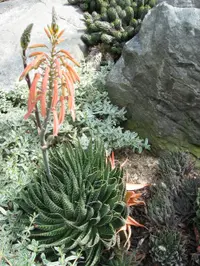
Mature rosettes produce tall, gracefully arching inflorescences bearing numerous bell-shaped flowers that are typically coral to pink with lighter interiors, a trait often used to confirm identification in collections.

FAQs about Echeveria pallida

Brown leaves usually result from sunburn, prolonged underwatering, or old age of the lowest leaves. Check for crispy texture and pale scorch marks. Remove damaged leaves, adjust light exposure, and maintain a consistent but modest watering routine.

Grow Healthy Plants with Botan Care

Keep your plants happy and healthy with plant identification, disease detection, and easy care guidance.

Botan plant care app — identify plants on mobile

Explore More Plants