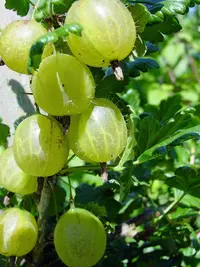
Best Soil for Gooseberry (Ribes uva-crispa)

For healthy roots, Ribes uva-crispa needs loose, moisture-retentive soil that drains well and stays slightly acidic to near neutral.

Soil Texture

Loamy, Sandy, Organic-rich

Soil pH

Acidic (5.5–6.5), Slightly acidic (6.5–7.0)

Soil Drainage

Moist but well-drained

Ribes uva-crispa Soil Guide

Native to Europe, northwestern Africa, and western Asia, Ribes uva-crispa often grows in temperate woodland edges, hedgerows, and open scrub. Those settings help explain its preference for soil that stays evenly moist yet drains freely, with enough air around the roots.

A loamy to sandy texture with plenty of organic matter suits its shallow, fibrous root system, which benefits from steady moisture near the surface but does not like stagnant, heavy conditions. The best soil for Gooseberry holds water without becoming dense and supports gentle acidity to slight acidity.


A simple custom mix helps Ribes uva-crispa stay evenly rooted without becoming compacted. The goal is a blend that holds moisture but still has air spaces.

100% total mix = 20 scoops
10%
perlite or pumice2 scoops
20%
coarse sand4 scoops
30%
compost or well-aged leaf mold6 scoops
40%
high-quality loam-based garden soil8 scoops

When blended, the mix should feel crumbly and slightly springy, hold together lightly in the hand, and let excess moisture move through without staying soggy.

A good target is 5.5–7.0 pH, with the strongest performance often in slightly acidic soil. Within that range, key nutrients such as iron, manganese, and phosphorus stay more available to roots.

Gooseberry can handle mild variation, but strongly alkaline soil can reduce nutrient uptake over time. If pH stays near the acidic-to-neutral side, overall growth is usually steadier and more balanced.

Root stress often starts below the surface, especially in dense or exhausted media. With Gooseberry, early checks can help catch a soil issue before growth slows further.

Dense, tight soil:

If the surface crusts and water sits briefly before soaking in, gently loosen the top layer and work toward a more open root zone next time soil is refreshed.

Soggy root area:

If the container stays heavy for days or the ground feels sticky, improve drainage first and reduce any compacted material holding too much moisture.

Dry, shrinking mix:

If the soil pulls from the pot sides and wets unevenly, rehydrate it gradually and replace part of the old mix if it has become hard to rewet.

Low organic content:

If the soil looks pale, lifeless, or dries too fast, add organic matter at the next refresh to improve structure and more even moisture holding.

Soil Advice in Seconds

Botan helps match this plant to a more suitable soil setup by combining plant ID with practical care guidance.

FAQ

Usually yes. Loosen a broad planting area, remove persistent weeds, and mix in organic matter if the ground is poor or compacted so roots can spread more easily.

More Plant Soil Guides

See If Soil Is the Issue

A photo check can help show whether soil conditions may be part of the problem. Botan reviews visible stress alongside likely care factors.

Botan app helping with soil and plant care
10 Easy Garden Flowers to Grow

8 min read · 10 Sept 2026

10 Easy Garden Flowers to Grow

Discover 10 garden flowers that require minimal care. Learn which characteristics make plants easy to grow and follow tips on how to create a beautiful corner from beginner-friendly blooms on your property.

Beginner Guides
10 Easy Garden Flowers to Grow
12 Best Cold-Hardy Vegetables for Cold Weather

7 min read · 13 Oct 2026

12 Best Cold-Hardy Vegetables for Cold Weather

Cold-hardy vegetables can keep a garden productive through chilly fall, winter, and early spring weather. This guide covers 12 reliable crops, their frost tolerance, and practical growing tips for better cold-season harvests.

Plant Recommendations
12 Best Cold-Hardy Vegetables for Cold Weather
15 Best Scary Halloween Plants and Fungi for a Spooky Garden

8 min read · 9 Oct 2026

15 Best Scary Halloween Plants and Fungi for a Spooky Garden

Want a garden that looks eerie in October? Here are 15 Halloween plants and fungi, from carnivorous traps to bleeding mushrooms. For each species, we cover its appearance, care requirements, and potential uses in your landscape.

Plant Recommendations
15 Best Scary Halloween Plants and Fungi for a Spooky Garden