Seasonal moisture demand
Rhipsalidopsis gaertneri needs its highest moisture levels in late winter to spring, matching its native Brazilian cloud-forest season when light increases but humidity remains high, which supports bud and flower formation.

This page explains when, how often, and how much to water Rhipsalidopsis gaertneri for steady, healthy growth.

Water Requirements
Moderate Water
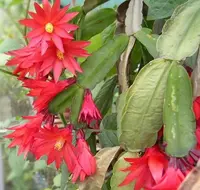
This popular houseplant, often called Easter cactus, likes gentle moisture rather than continually wet or bone-dry soil. In its native forested habitats, Rhipsalidopsis gaertneri experiences light, intermittent moisture and brief drying periods on tree branches.
For indoor care, watering Easter Cactus means keeping soil slightly moist, letting the top layer dry modestly between thorough waterings. Outdoor plants in mild climates usually need a bit more frequent attention than comparable indoor specimens, depending on exposure and potting conditions.
Water when the top 1–2 inches (3–5 cm) of soil feel dry, rather than on a fixed schedule. Easter cactus typically needs watering about every 7–10 days in bright indoor light, with shorter intervals in warm, active growth and longer intervals in cooler, lower-light conditions.
Water Easter Cactus when the top 1-2 inches (3-5 cm) of potting mix feel dry, using a gentle, even approach.
Incorrect moisture levels can stress Rhipsalidopsis gaertneri and trigger several avoidable growth problems indoors.
Segment pads wrinkle and feel floppy when kept too dry for extended periods between waterings.
Pads soften, yellow, and collapse when roots sit in waterlogged soil lacking air spaces.
Swelling buds dry, shrivel, then fall when soil moisture swings quickly from soggy to parched.
Roots turn black and threadlike when chronically overwatered in dense, poorly draining potting mix.
Keep roots evenly moist in a loose, draining mix, avoiding both bone-dry soil and prolonged saturation.
Unsuitable watering habits weaken Rhipsalidopsis gaertneri, making Easter cactus less resilient to dry indoor air and seasonal changes.
Aim for evenly moist, fast-draining conditions by adjusting watering to soil feel, container drainage, and seasonal indoor conditions.
Watering Check
Not sure if your plant needs water? Check its watering needs inside the app.
Use Botan for a clear watering guide and practical care steps for your Easter Cactus. The app can also review photos to help spot early signs of stress or other issues.
Rhipsalidopsis gaertneri needs its highest moisture levels in late winter to spring, matching its native Brazilian cloud-forest season when light increases but humidity remains high, which supports bud and flower formation.
In nature, Rhipsalidopsis gaertneri often grows on trees where roots anchor into moss and bark, so they are adapted to quick wet–dry cycles and high air moisture rather than constant saturation of dense soil.
Cultivated Rhipsalidopsis gaertneri often shows leaf-edge damage and reduced vigor when watered long term with hard, lime-rich tap water, so many growers prefer rainwater, distilled, or filtered water to mimic its naturally soft rainforest water.
Early morning is ideal. The plant can absorb moisture before daytime warmth and light increase evaporation. Avoid late evening, which can leave roots sitting in cool, soggy soil for many hours.
Botan reviews your plant’s watering pattern to support healthier moisture habits.
7 min read · 24 Aug 2026
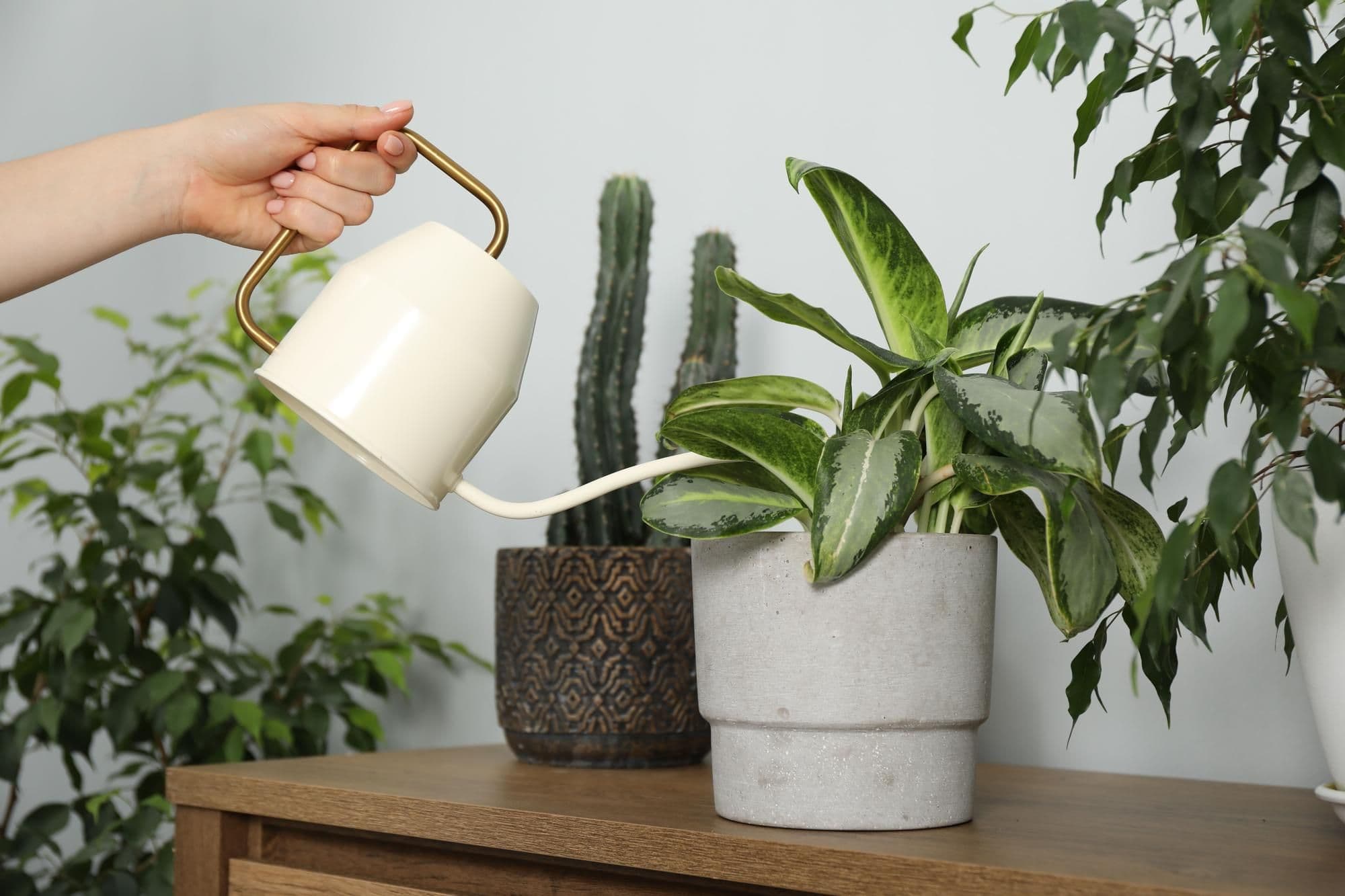
Learn how often to water indoor plants, key factors for proper watering, and how to adjust the care routine by plant type, season, pot size, light, and indoor conditions.
6 min read · 1 Sept 2026
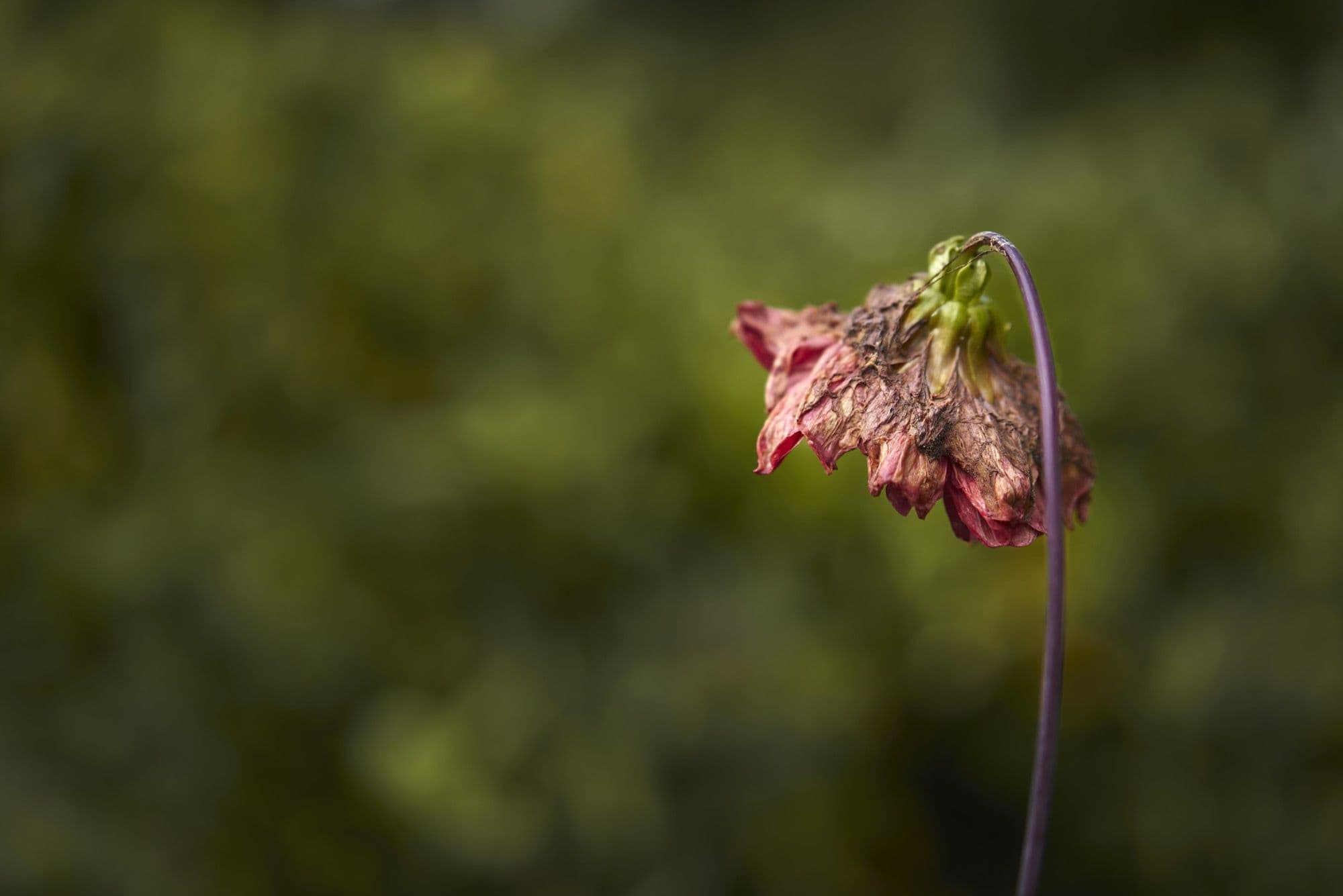
Drooping leaves and brown tips don't always mean the end, and a weakened plant can often recover with a little help. These six simple steps will help you revive a dying plant and restore its health.
6 min read · 19 Aug 2026
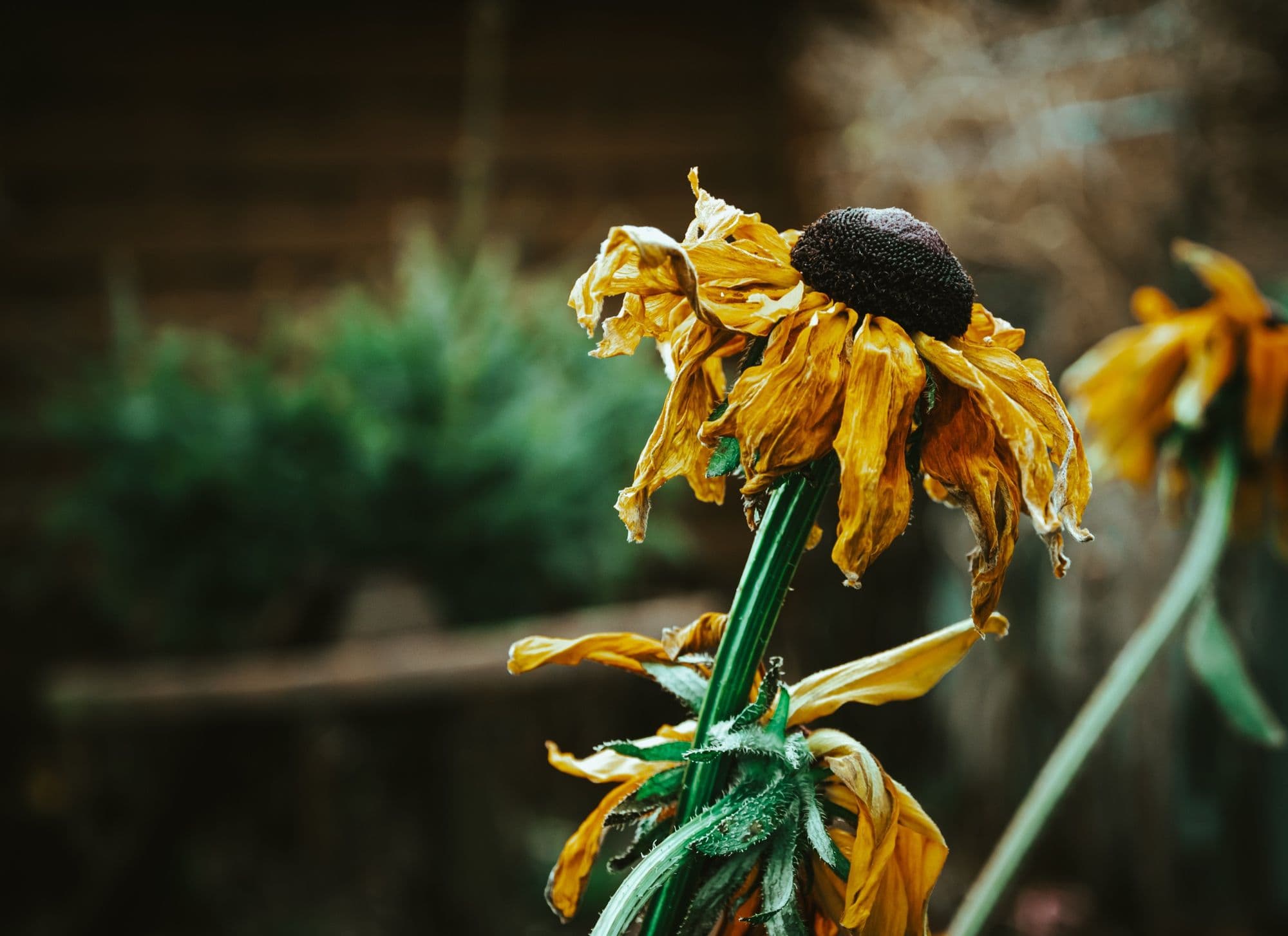
A plant can lose its leaves, stop growing, or collapse and still remain alive. A closer look at the stems, roots, bulbs, and tubers can show whether the plant still has a chance to recover.