





Best Soil for Cast Iron Plant (Aspidistra elatior)

Aspidistra elatior grows best in loose, moisture-retentive soil with reliable drainage, which supports healthy roots and steady growth.

Soil Texture

Loamy, Clay, Organic-rich

Soil pH

Acidic (5.5–6.5), Slightly acidic (6.5–7.0)

Soil Drainage

Moist but well-drained

Aspidistra elatior Soil Guide

Native to Japan and Taiwan, Aspidistra elatior grows on shaded forest floors where soil stays lightly moist from leaf litter but does not stay soggy. That background explains its preference for organic-rich soil with a loamy feel and steady, even moisture.

Its thick underground rhizomes store energy and spread slowly, so the best soil for Cast Iron Plant needs both moisture retention and air around the roots. A loose, humus-rich substrate with some weight suits it well, as long as drainage remains reliable rather than compacted or waterlogged.

A custom mix helps balance moisture retention and airflow for Aspidistra elatior without becoming heavy in a container.

100% total mix = 20 scoops
10%
fine orchid bark2 scoops
20%
perlite or pumice4 scoops
25%
compost or leaf mold5 scoops
45%
high-quality potting soil9 scoops

The finished blend should feel springy and crumbly, hold some moisture, and let excess water move through at a moderate pace.

A pH range of about 5.5–7.0 suits Cast Iron Plant, with the strongest performance usually in slightly acidic soil. That range keeps key nutrients such as iron and manganese more available to the roots.

Aspidistra elatior is fairly tolerant of minor variation, but soil that drifts far outside this range can reduce nutrient uptake even when the mix itself seems otherwise suitable.

This species is slow-growing, so soil-related stress may develop gradually rather than all at once. Small changes in texture and moisture balance often matter more than they first appear.

Compacted soil:

Compacted soil: if the surface hardens and water lingers instead of soaking in evenly, gently loosen the top layer and plan to replace the mix with a more open one.

Stale, soggy mix:

Stale, soggy mix: when soil stays wet for long periods and smells musty, increase airflow around the root zone and check that excess water can leave the container.

Hydrophobic soil:

Hydrophobic soil: if very dry mix shrinks from the pot edge and resists rewetting, moisten it gradually in stages rather than flooding it all at once.

Better Soil Starts Here

Botan helps match this plant to a suitable soil profile, so it is easier to choose a mix that fits its growth habit and container setup.

FAQ

Yes. This species grows from rhizomes, so a pot with moderate depth and enough horizontal room usually works better than an extra-deep container that keeps unused soil wet too long.

Everything About Cast Iron Plant

More Plant Soil Guides

Check What the Soil Is Doing

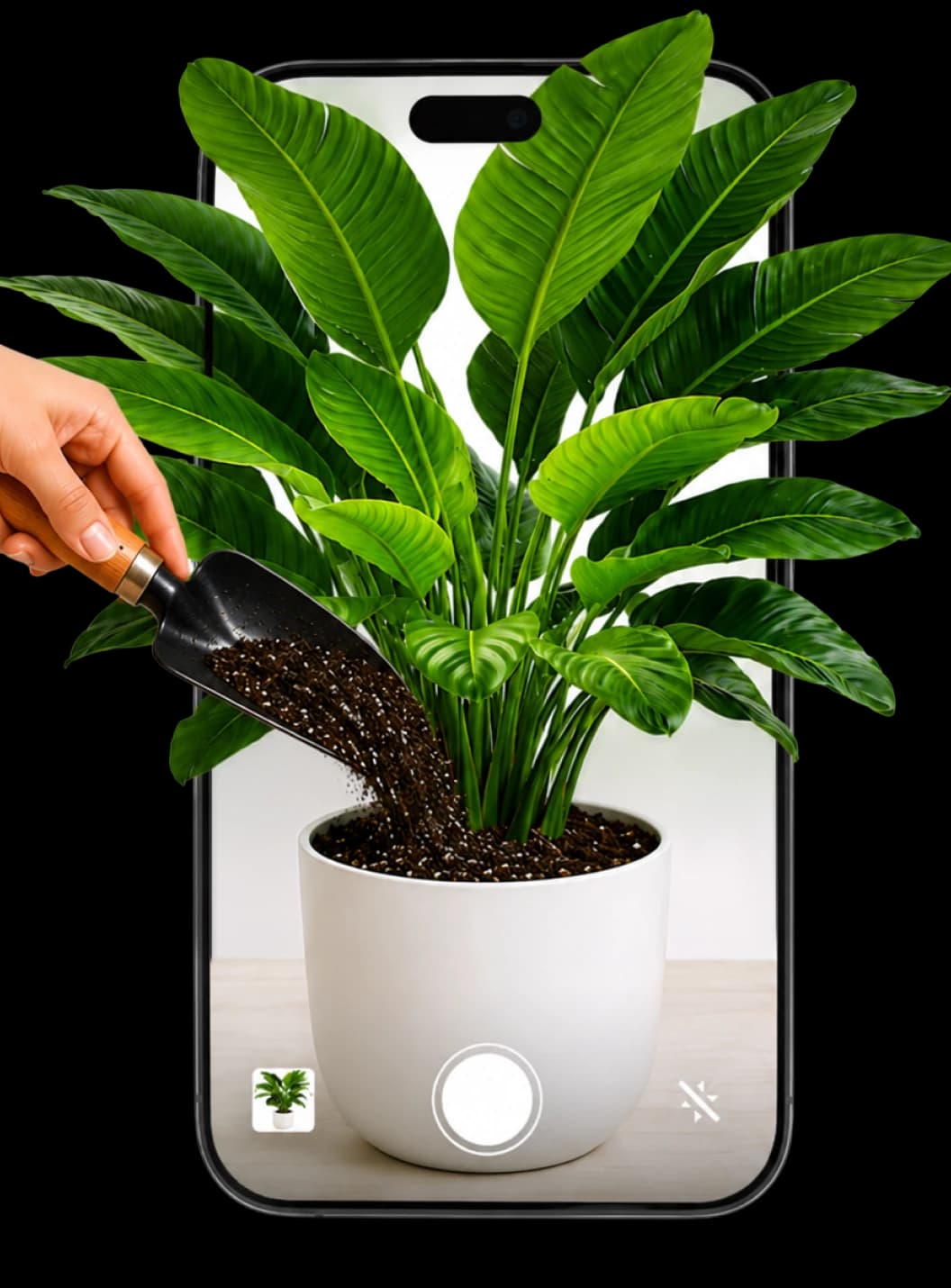
Botan can help assess visible changes from a photo and point to soil as one possible factor worth checking.

Botan app helping with soil and plant care
How to Bottom Water Plants: Complete Guide

6 min read · 13 Jul 2026

How to Bottom Water Plants: Complete Guide

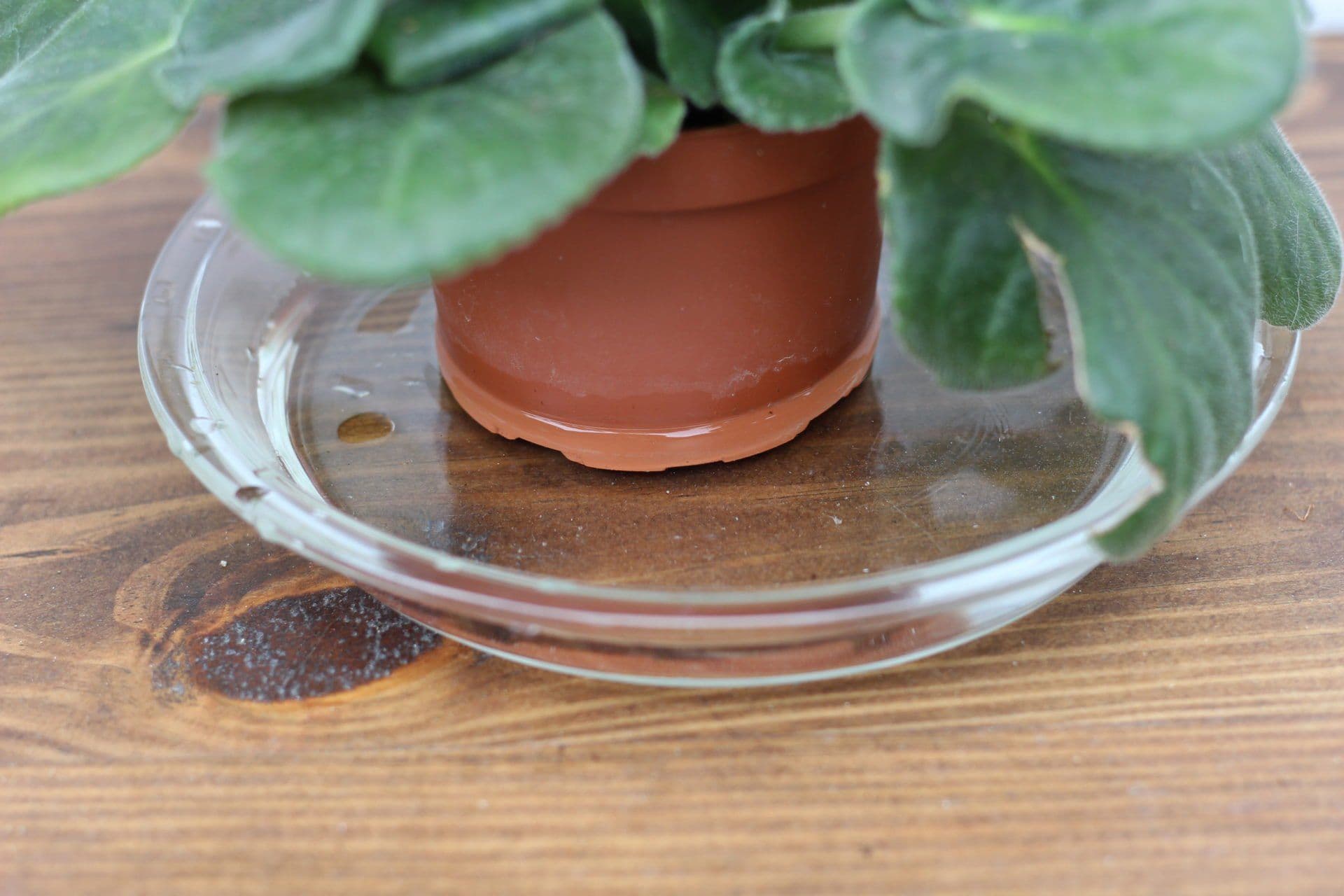
Bottom watering helps soil absorb moisture evenly and keeps foliage dry, reducing the risk of missed dry spots or root problems. Place the pot in a tray of water for a short time, then let it drain well.

Plant Care

How to Bottom Water Plants: Complete Guide
Frozen vs Fresh Vegetable Nutrients: Which Option Is Healthier?

6 min read · 8 Sept 2026

Frozen vs Fresh Vegetable Nutrients: Which Option Is Healthier?

Frozen and fresh vegetables are nutritionally comparable: frozen produce often retains vitamins just as well as fresh and may sometimes contain more. Here’s how blanching and storage affect nutrients—and when to choose each.

Plant Recommendations
Frozen vs Fresh Vegetable Nutrients: Which Option Is Healthier?
How to Repot a Plant: A Step-by-Step Guide

7 min read · 28 May 2026

How to Repot a Plant: A Step-by-Step Guide

In spring, many plants need repotting—an essential part of care. To avoid stress, consider the plant’s type and size. This article offers a step-by-step guide for repotting indoors or outdoors and shows how to check plant health and get care tips using the Botan app.

Plant Care
How to Repot a Plant: A Step-by-Step Guide