


Cast Iron Plant (Aspidistra elatior) Light Needs

Cast Iron Plant grows best in moderate to bright filtered light, but it tolerates shade better than many houseplants.

Light Preference

Partial Shade

Aspidistra elatior Light Requirements

In its native East Asian woodland habitat, Aspidistra elatior grows below taller vegetation where light is broken by overhead canopy. It is adapted to shade, filtered daylight, and brief seasonal sun rather than open, exposed sun. This background explains why cultivated plants stay healthiest away from harsh direct rays while still benefiting from steady ambient light. It prefers partial shade or bright filtered light.

  • Ideal exposure:

    Cast Iron Plant needs about 6–8 hours of bright indirect or filtered light daily, including up to 1–2 hours of gentle direct morning sun.

  • Direct sun:

    Avoid full sun and hot afternoon rays, which can scorch the broad leaves.

  • Shade tolerance:

    Lower light is tolerated, but growth is usually slower and new leaves may be smaller.

  • Morning light:

    Early sun from an east window or sheltered outdoor position is safer than strong midday or western sun.

Indoors, place it where daylight is steady but direct sun is limited.

NSuitable
North-facing window:

A north-facing window is suitable if the room is not blocked by buildings or deep shade.

EBest
East-facing window:

An east-facing window is best because it gives gentle morning sun and bright filtered light for much of the day.

SConditional
South-facing window:

A south-facing window works only if the plant sits 4–8 ft back or the sun is filtered by a sheer curtain.

WConditional
West-facing window:

A west-facing window is conditional because afternoon sun can be hot; place it several feet back from the glass.

If leaves receive visible sunbeams for hours, move the pot farther into the room.

Strong direct sun usually shows on the leaves before the whole plant declines.

Bleached patches:

Pale tan or washed-out areas may appear on leaf sections facing the window or exposed side.

Crisp scorch marks:

Dry brown spots can form where hot sun hits the same broad leaf surface repeatedly.

Dull leaf color:

Leaves may lose their deep green sheen after several days of brighter exposure than they were grown in.

Localized damage:

Sun stress often affects the most exposed leaves while shaded leaves remain normal.

Move the plant out of direct afternoon sun and into filtered light. Damaged areas will not turn green again, but new growth should develop more normally.

This species tolerates shade, so low-light stress can develop slowly. The clearest signs are changes in new growth rather than quick leaf collapse.

  • Leaning growth:

    Leaves may angle toward the nearest light source instead of standing evenly around the pot.

  • Small new leaves:

    New growth may emerge shorter or narrower during spring and summer than older leaves.

  • Long gaps:

    New shoots may appear less often, leaving the plant sparse during the active growing season.

  • Weaker variegation:

    Variegated forms may produce less distinct striping when light stays very low.

Move it to brighter filtered light rather than sudden direct sun. Improvement is gradual because this species naturally grows slowly.

When ideal filtered light is limited, choose the brightest usable spot that avoids harsh direct afternoon sun.

Keep the leaves 2–5 ft from intense glass, or soften the rays with a sheer curtain. Rotate the pot every few weeks so new leaves do not lean toward one side.

A dark corner far from daylight is unsuitable because growth can stall for long periods.

Get Personalized Care Plan

Scan your plant to receive care tips personalized for your specific plant

FAQ

The best light for Cast Iron Plant is bright indirect or filtered light. It also tolerates shade, but very dim rooms often lead to slower growth and smaller new leaves.

More Plant Light Guides

Get the Botan App

Discover how to care for your plants with Botan.

Botan app identifying a plant with a phone camera
How to Bottom Water Plants: Complete Guide

6 min read · 13 Jul 2026

How to Bottom Water Plants: Complete Guide

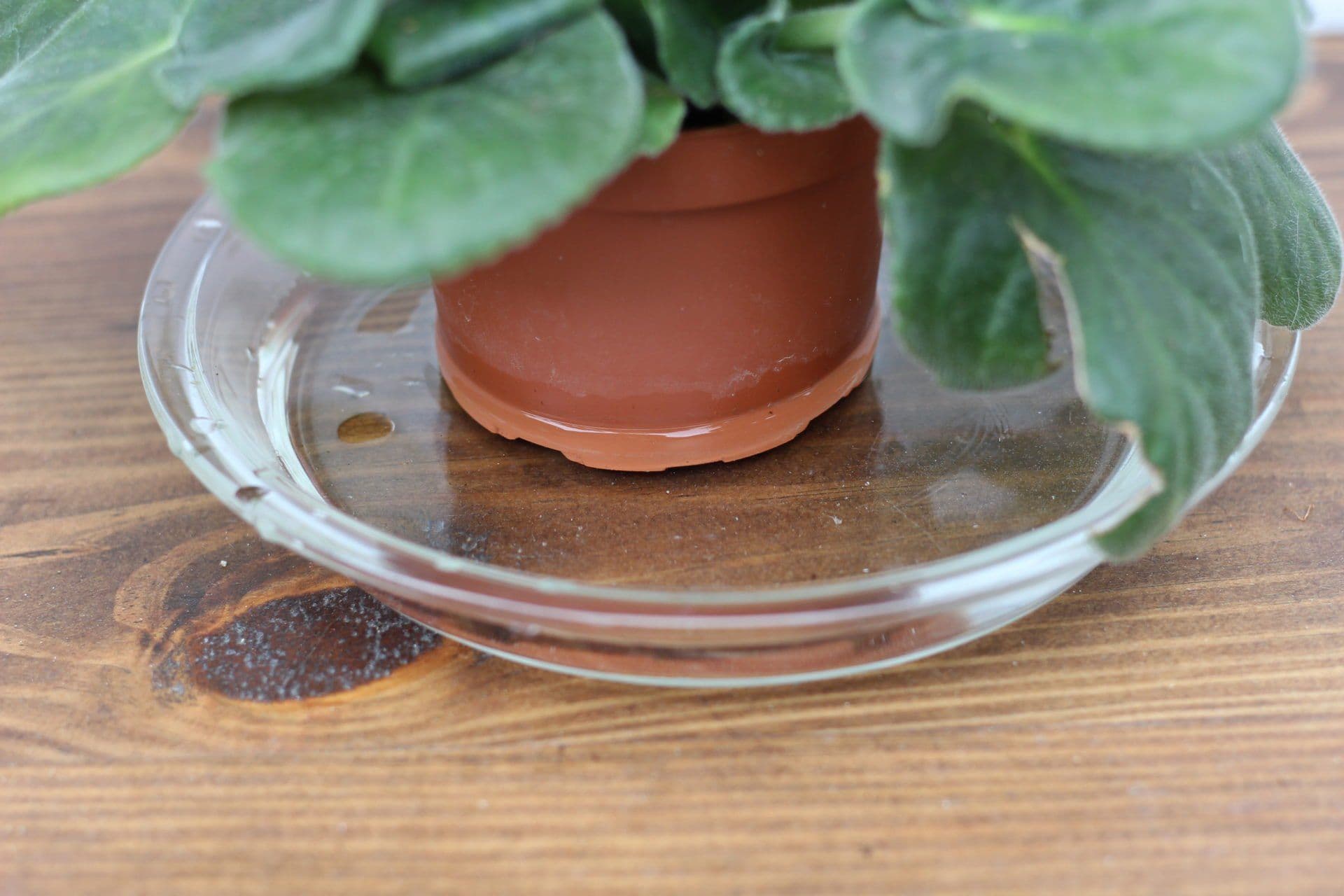
Bottom watering helps soil absorb moisture evenly and keeps foliage dry, reducing the risk of missed dry spots or root problems. Place the pot in a tray of water for a short time, then let it drain well.

Plant Care
How to Bottom Water Plants: Complete Guide
What Do Plants Need to Grow – 5 Things Every Greenery Can't Live Without

8 min read · 31 Jul 2026

What Do Plants Need to Grow – 5 Things Every Greenery Can't Live Without

To keep plants healthy and thriving, provide the right balance of light, humidity, nutrients, airflow, and quality soil. This guide covers the essentials of year-round plant care.

Beginner Guides
What Do Plants Need to Grow – 5 Things Every Greenery Can't Live Without
Dill Companion Plants – What to Grow Next to Dill

9 min read · 17 Jul 2026

Dill Companion Plants – What to Grow Next to Dill

Dill is an easy-to-grow plant that gets along well with many vegetables. This guide describes 15 plants that can be planted alongside it, a few to avoid, and mistakes that can quietly sabotage the entire process.

Plant Recommendations
Dill Companion Plants – What to Grow Next to Dill