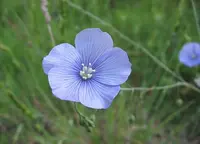



flax (Linum narbonense) Light Needs

flax grows best in full sun, with long daily exposure and little shade during the active growing season.

Light Preference

Full Sun

Linum narbonense Light Requirements

Linum narbonense is native to open, sunny habitats of southwestern Europe, including dry grasslands, rocky slopes, and lightly disturbed sites. These areas have strong seasonal sun, free air movement, and little overhead shade during the main growing period.

In cultivation, this background makes shade a poor fit. Flowering and compact growth are strongest where the plant receives full sun. The plant prefers full sun.

  • Ideal exposure:

    flax needs about 6–8 hours of full sun daily, including 6 or more hours of direct sun when possible.

  • Direct sun:

    Established plants tolerate all-day sun in open garden conditions, including warm afternoon sun, if grown in that exposure.

  • Shade limits:

    Shade or only a few hours of sun usually causes stretched stems, fewer flowers, and weaker growth.

  • Morning sun:

    Morning sun is useful in hot sites, but it should not replace a full-sun position for most of the day.

Excess light is most likely after a sudden move into harsher sun.

Pale patches:

Silvery or tan marks on exposed leaves can develop where tissue was not acclimated to direct sun.

Scorched tips:

Dry, bleached tips may appear on the sunward side during hot, reflective afternoon conditions.

Flower fade:

Blooms may age faster when strong heat and intense afternoon sun combine.

Stalled new growth:

Tender shoots can pause or look hardened after abrupt exposure to stronger light.

Move container-grown plants out of reflected heat, or add light afternoon shade during the hottest part of the day. Increase sun again gradually over 7–10 days if the plant was recently shaded.

Low light affects shape and flowering before it causes major leaf symptoms.

  • Stretched stems:

    Long, thin stems with wider gaps between leaves often mean the plant is reaching for stronger sun.

  • Leaning growth:

    Growth may lean toward the brightest side, especially in containers or partly shaded beds.

  • Fewer flowers:

    Bud production and bloom count usually drop when daily direct sun is too short.

  • Small new growth:

    New shoots may stay smaller and weaker during the active season when shade is persistent.

Move the plant to a more open full-sun position, increasing exposure over several days if it was deeply shaded. Avoid judging light from one cloudy day; look for patterns over 1–2 weeks.

When full-day sun is not available, choose the most open site that still gives 6 hours of direct sun, especially from morning through midday.

Place containers away from walls, fences, and dense overhangs that block low-angle sun or create reflected heat.

A shaded porch or site with only brief sun is unsuitable because it will usually reduce flowering and stretch the stems.

Get Personalized Care Plan

Scan your plant to receive care tips personalized for your specific plant

FAQ

The flax light requirements are full sun. This plant performs best with long, direct exposure rather than shade, especially during active growth and flowering.

Everything About flax

More Plant Light Guides

Get the Botan App

Discover how to care for your plants with Botan.

Botan app identifying a plant with a phone camera
Dill Companion Plants – What to Grow Next to Dill

9 min read · 17 Jul 2026

Dill Companion Plants – What to Grow Next to Dill

Dill is an easy-to-grow plant that gets along well with many vegetables. This guide describes 15 plants that can be planted alongside it, a few to avoid, and mistakes that can quietly sabotage the entire process.

Plant Recommendations
Dill Companion Plants – What to Grow Next to Dill
How to Use a Moisture Meter for Plants

5 min read · 4 Sept 2026

How to Use a Moisture Meter for Plants

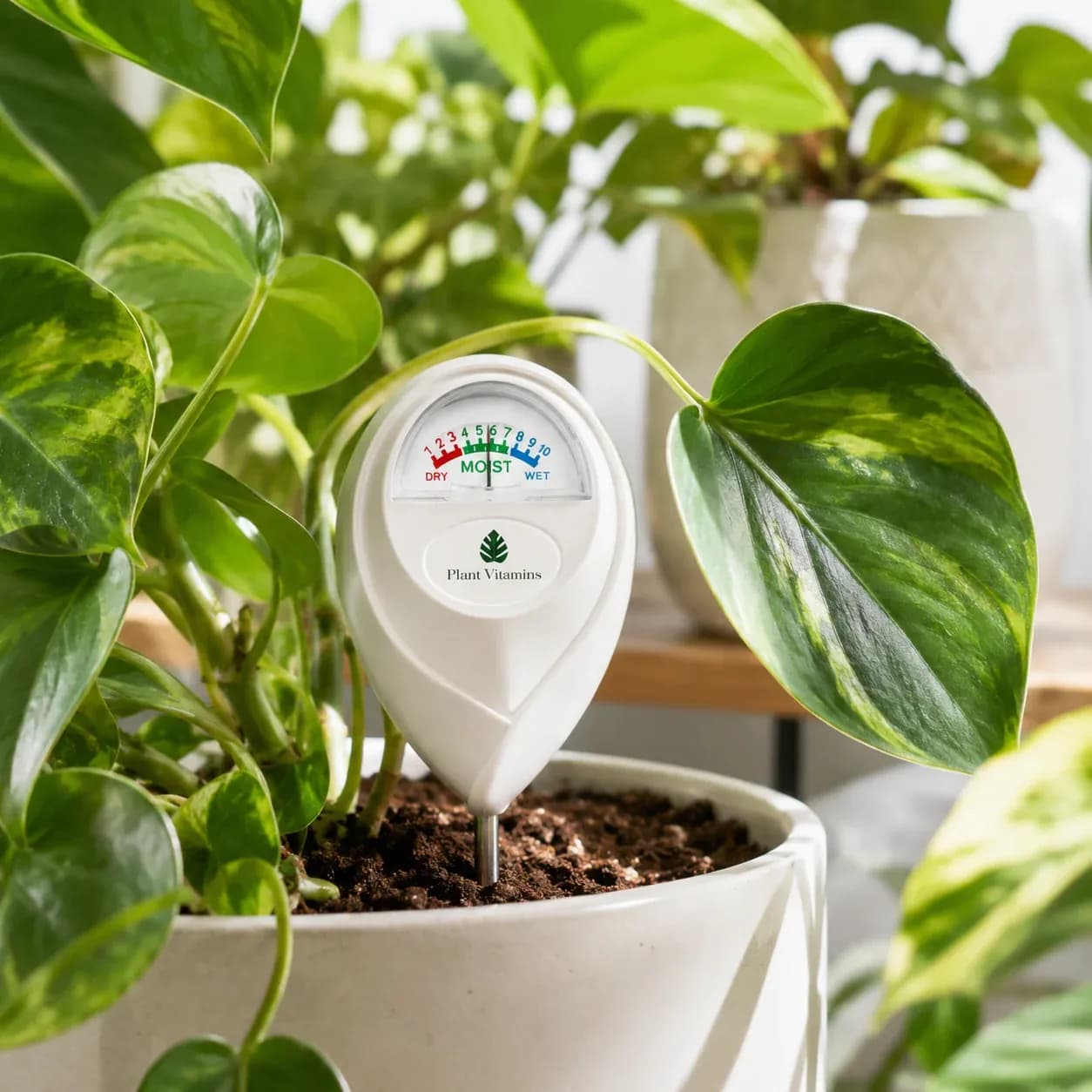
Watering by feel kills plenty of houseplants. A moisture meter checks the soil for you, and takes the guesswork out of it. This guide will show you how to use it correctly, from the first touch to the final reading.

Beginner Guides
How to Use a Moisture Meter for Plants
How to Clean Plant Leaves: A Simple Care Guide

6 min read · 4 Aug 2026

How to Clean Plant Leaves: A Simple Care Guide

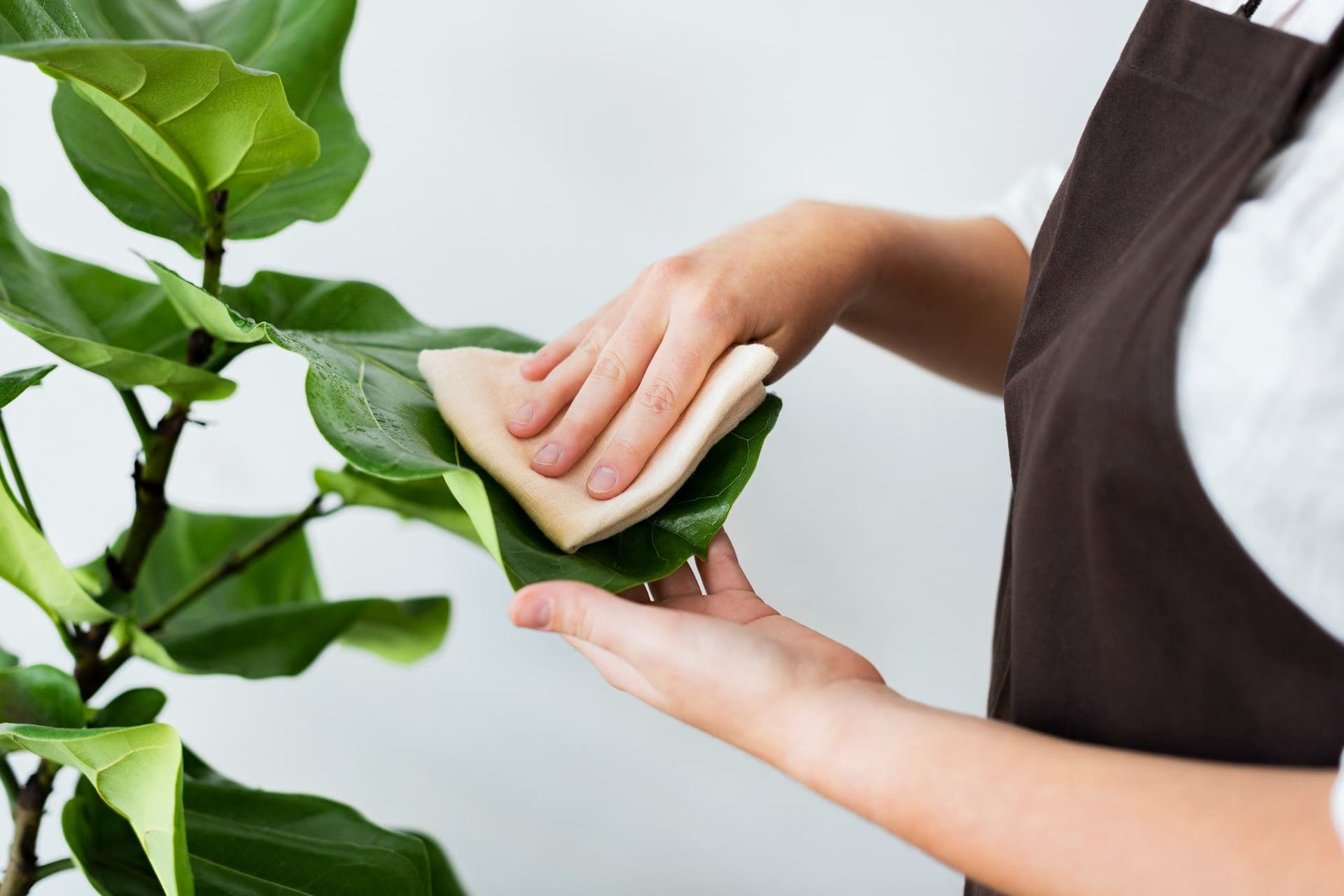
Dusty leaves look dull and don't absorb light well. Below, you'll find simple ways to clean them, which tools are truly effective, how often you should do it, and what causes damage.

Beginner Guides
How to Clean Plant Leaves: A Simple Care Guide