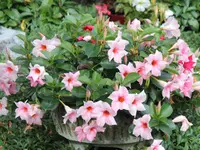
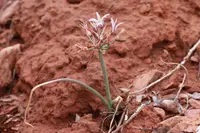
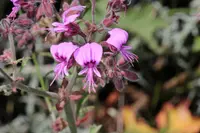
flax Care (Linum narbonense)

Also known as: Blue flax, Perennial Flax, Beautiful Flax
flax

About flax

Flax, Linum narbonense, is a compact, short-lived perennial grown mainly for its delicate, sky-blue flowers and fine, grassy foliage. It forms loose clumps that move lightly in the wind and works well in mixed borders or naturalistic plantings.

This species is native to parts of southern Europe, where it grows in sunny, open habitats with relatively poor, free-draining soils. It is generally easy to grow if given full sun and good drainage.

Once established, it copes reasonably well with dry periods, which makes care for flax straightforward for many home gardeners.

Main Plant Requirements

Care Difficulty

Moderate Care

Light Preference

Full Sun

Water Requirements

Moderate Water

Temperature Preference

Cool Climate

Hardiness Zone

5–8

Soil Texture

Sandy, Loamy, Rocky

Soil pH

Acidic (5.5–6.5), Slightly acidic (6.5–7.0)

Soil Drainage

Well-drained

Fertilization

Minimal (feed rarely)

Get Personalized Care Plan

Scan your plant to receive care tips personalized for your specific plant

Available on iOS and Android

How to Care for the flax

Linum narbonense performs best in open, bright locations that mimic sunny, dry habitats.

  • Provide 6–8 hours of direct sun daily, ideally with morning sun and light afternoon shade in hotter regions to protect delicate petals from scorching.
  • Plant in an open site rather than under trees; it tolerates light, filtered shade for part of the day but flowering and sturdiness decline in heavier shade.
  • Watch for weak, stretched stems and sparse blooms as signs of insufficient light, and for crisp leaf edges as a sign of excessive, intense afternoon sun.

This species prefers evenly moist but never saturated soil, with brief dry periods between waterings.

  • Allow the top 3–5 cm of soil to dry before watering; in free-draining ground this often means deeper, less frequent soakings rather than light, daily splashes.
  • During peak growth and flowering, check soil more often, but in cool or rainy periods hold back to avoid waterlogged conditions that promote root rot.
  • Signs of overwatering include yellowing, soft stems, and a sour soil smell, while underwatering shows as drooping, papery foliage that recovers after a thorough soak.

This plant thrives in mild climates with cool to warm conditions rather than extreme heat or severe cold.

  • Aim for active growth in 60–75°F (16–24°C); flowering is usually strongest in spring and early summer under these moderate temperatures.
  • Established plants tolerate brief drops to about 15–20°F (-9 to -6°C), but young seedlings and new plantings are more vulnerable to sudden hard frosts.
  • In hot summers above 85–90°F (29–32°C), expect shorter bloom duration; provide mulch and slight afternoon shade to reduce root stress and heat scorch.

This species grows best in relatively dry air, so indoor humidity is rarely a concern.

This plant prefers mineral, free-draining ground that mimics a light, rocky meadow habitat.

  • Use a sandy or gritty loam with low to moderate organic matter so roots stay aerated.
  • Aim for slightly alkaline to neutral pH around 7.0–7.8, avoiding very acidic mixes.
  • Blend coarse sand or fine grit into standard potting soil at about 30–50% to sharpen drainage.
  • Avoid compacted, heavy clay or waterlogged sites, which quickly cause root decline in Linum narbonense.

This species can be grown in containers if the pot is prepared to drain quickly and stay relatively dry between waterings.

  • Choose a deep, narrow container to accommodate its taproot and prevent rocking in wind.
  • Use a heavy terracotta or clay pot outdoors so the root zone dries faster and the plant stays stable.
  • Raise the pot on feet or bricks so drainage holes clear freely and runoff does not reabsorb into the mix.

This Mediterranean perennial flax prefers modest feeding in lean, well-drained soil.

  • Apply a light dressing of compost or a balanced 10-10-10 fertilizer at the start of spring growth.
  • Use a dilute liquid feed at 1/2 strength every 4–6 weeks during the main growing season if soil is poor.
  • Avoid high-nitrogen products, which encourage weak, lush foliage over flowers.
  • Stop feeding in late summer so plants harden off before cooler weather.

Linum narbonense benefits from light pruning to maintain a tidy, floriferous clump.

  • Shear back spent flowering stems by one-third after the main bloom to encourage a neater mound and possible rebloom.
  • Remove dead, damaged, or badly crossing stems at ground level using clean, sharp hand pruners.
  • In late winter or very early spring, trim remaining old stalks to make room for fresh basal growth.
  • Avoid cutting into woody crowns; keep pruning to green, flexible stems only.

This species is best treated as a lightly disturbed perennial in beds rather than a frequently repotted container plant.

  • Transplant in early spring or early fall, when temperatures are mild and soil is workable.
  • Move plants only when needed, such as crowding, poor flowering, or roots filling a small starter pot.
  • Lift with a wide soil ball, disturbing roots as little as possible, and replant at the same depth in free-draining soil.
  • Water gently after transplanting, then keep soil just lightly moist for 1–2 weeks to limit transplant shock.

Linum narbonense is most commonly propagated from seed, with simple requirements in temperate gardens.

  • Sow fresh seed in early spring or fall, either directly in the ground or in trays with gritty, well-drained mix.
  • Cover seeds very lightly, maintain even moisture, and keep at 60–70°F for reliable germination.
  • Space young seedlings to avoid overcrowding, which reduces airflow and flowering quality.
  • For clumps 3+ years old, divide cautiously in early spring, keeping root disturbance minimal.

This perennial is generally cold hardy in temperate climates and needs only modest winter care in the ground.

  • Tolerates light to moderate frost once established in well-drained soil.
  • In zones with wet, cold winters, improve drainage or plant on a slight slope or raised bed.
  • Apply a thin mulch layer around, not over, the crown in late fall to buffer freeze–thaw cycles.
  • Container plants in colder regions are best overwintered in a bright, frost-free, cool indoor space.

Care Tips

Seasonal rejuvenation

After the main flush of bloom, shear stems back by about one-third with clean scissors to encourage a denser habit and a lighter second flowering later in the season.


Self-seeding management

Allow a few seedheads to dry and drop naturally where you want plants to return, but deadhead the rest before seeds mature to prevent unwanted spread and conserve the plant’s energy.

Targeted staking

In windy or exposed sites, place low, unobtrusive loop stakes or small plant rings around the clump early in the season so stems stay upright without looking obviously supported.

Dry-climate mulching

Apply a thin, 2–3 cm layer of mineral mulch such as fine gravel around, but not touching, the crowns to reduce evaporation and splash, which helps keep the base dry and foliage cleaner when growing flax.

Root-zone protection

In colder regions, leave spent top growth standing over winter to protect the crown from freeze–thaw cycles, then cut it back close to the ground in early spring before new shoots emerge.

Everything About flax

Common Pests and Diseases

Flax flea beetles

These insects chew small round holes through young leaves and seedlings, often giving foliage a shot‑holed or lace‑like appearance and slowing early growth.

Solution

Use floating row covers to protect emerging seedlings, encourage natural predators by avoiding broad‑spectrum insecticides, and if damage is heavy, apply a targeted insecticidal soap or pyrethrin product in the evening, following label directions carefully.

Flax budworm

This pest is a small caterpillar that tunnels into buds and developing flowers, causing poor flowering, browned buds, and distorted or empty seed capsules.

Solution

Handpick caterpillars and remove damaged buds where practical, attract beneficial predators by maintaining plant diversity nearby, and in severe cases use a Bacillus thuringiensis (Bt) product directed at larvae before buds are fully formed.

Pasmo

This disease causes dark brown lesions on stems and leaves that often form banded zones, leading to premature leaf drop and weakened plants in humid conditions.

Solution

Remove and discard infected plant material, avoid overhead watering, increase spacing and airflow, and in areas with recurring problems rotate planting areas and avoid leaving flax debris in the soil over winter.

Fusarium wilt

Symptoms include stunted growth, yellowing lower leaves, and one‑sided wilting, especially in warm soil where the fungus persists for years.

Solution

Discard severely affected plants, avoid waterlogged or compacted soil, plant in well‑drained beds with good rotation away from other flax crops, and use only healthy, clean seed when starting or expanding a planting of Linum narbonense.

Interesting Facts

Mediterranean limestone specialist

This species naturally occurs on dry, rocky limestone slopes and grasslands in southern Europe, especially around the western Mediterranean, where it is adapted to shallow, alkaline, low-nutrient soils.

Ephemeral sky-blue blooms

Its large, pale sky-blue flowers open in the morning and typically last only a day, but the plant produces many buds over several weeks, creating a prolonged but constantly changing floral display.

Short-lived perennial habit

Unlike the common cultivated flax, which is typically grown as an annual, this species behaves as a short-lived perennial in mild climates, often persisting for several years and reseeding lightly around the parent clump.

FAQs about flax

Sparse flowering usually comes from too little light, excess nitrogen fertilizer, or overcrowding. Ensure an open, sunny position, avoid rich, high-nitrogen feeds, and thin or divide dense clumps so individual plants have space and airflow.

Grow Healthy Plants with Botan Care

Keep your plants happy and healthy with plant identification, disease detection, and easy care guidance.

Botan plant care app — identify plants on mobile

Explore More Plants