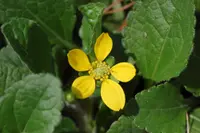
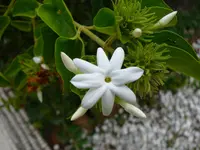
Hispid pelargonium Care (Pelargonium hispidum)

Also known as: Hispid Storksbill
Hispid pelargonium

About Hispid pelargonium

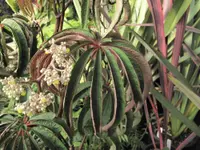
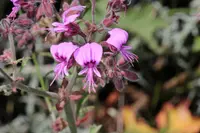
Hispid pelargonium (Pelargonium hispidum) is an aromatic, shrubby pelargonium grown mainly for its strongly scented, textured foliage rather than its flowers. It usually forms a loose, branching mound with soft, hairy leaves that release a spicy, resinous scent when touched.

This species originates from South Africa, where it grows in sunny, well-drained habitats. It is often grown in containers or herb gardens in mild or indoor climates.

The plant is considered moderately easy to grow if it receives bright light, good drainage, and is kept on the dry side between waterings. Understanding how to care for Hispid pelargonium starts with avoiding waterlogged soil and low light conditions, which quickly weaken the plant.

Main Plant Requirements

Care Difficulty

Moderate Care

Light Preference

Full Sun

Water Requirements

Moderate Water

Temperature Preference

Tropical / Frost Sensitive

Hardiness Zone

10–11

Soil Texture

Sandy, Loamy, Organic-rich

Soil pH

Slightly acidic (6.5–7.0), Neutral (7.0)

Soil Drainage

Well-drained

Fertilization

Light (every 4–6 weeks)

Get Personalized Care Plan

Scan your plant to receive care tips personalized for your specific plant

Available on iOS and Android

How to Care for the Hispid pelargonium

This species prefers bright, direct light but tolerates some light shade in hot climates.

  • Provide 4–6 hours of direct sun daily, ideally morning sun with light afternoon shade to prevent leaf scorch on Hispid pelargonium.
  • In very hot regions, use filtered light or dappled shade during midday; pale, crispy leaves indicate too much intense sun.
  • Leggy stems, few flowers, and dark, soft new growth signal insufficient light; move plants to a sunnier, south- or west-facing position, especially in winter.

Pelargonium hispidum prefers thorough but infrequent watering in fast-draining soil.

  • Allow the top 3–5 cm of soil to dry before watering; then soak deeply until excess drains away, avoiding standing water around the roots.
  • In spring and summer, drying may occur every few days; in cooler seasons, drying can take 1–2 weeks, so always check soil moisture instead of following a fixed schedule.
  • Yellowing, soft leaves and a sour smell suggest overwatering, while drooping, thin leaves and very light pots indicate underwatering or prolonged dryness.

This species grows best in mild, frost-free conditions with moderate warmth.

  • Aim for 65–80°F (18–27°C) during active growth; brief peaks up to 86°F (30°C) are tolerated if soil does not stay waterlogged.
  • Protect plants from temperatures below 32°F (0°C); foliage and stems are easily damaged by frost and prolonged cold winds.
  • In regions with winters below 40°F (4°C), treat it as a tender plant and overwinter in a protected, bright spot kept around 45–55°F (7–13°C).

This species prefers relatively dry air and manages well in most indoor humidity levels.

  • Aim for 30–50% humidity; avoid prolonged conditions above 60% to reduce fungal risk.
  • Tolerates dry air but may show slight leaf edge browning or curling if very close to heating vents.
  • Increase humidity mildly only if leaves look stressed by placing the pot on a pebble tray, not by frequent misting.

This plant needs a sharply drained, airy mix that dries quickly between waterings.

  • Use a sandy or loamy mix, such as 2 parts peat-free potting mix, 1 part coarse sand, and 1 part perlite for Pelargonium hispidum.
  • Ensure rapid drainage; water should exit the pot within seconds, leaving the mix lightly moist, not soggy.
  • Keep pH slightly acidic to neutral, around 6.0–7.0, which supports nutrient availability without stressing roots.
  • Avoid heavy clay, peat-only mixes, or compacted soil; add perlite or fine bark to improve aeration and prevent root rot.

This species is well suited to container growing outdoors or in bright indoor positions.

  • Choose a pot only 2–4 in wider than the root ball so the mix dries evenly and roots do not sit in cool, wet pockets.
  • Select terracotta or other porous materials if overwatering is a risk, as they allow faster evaporation than plastic.
  • Use a stable, heavier pot or place it in a cachepot if the plant becomes top-heavy in windy or exposed locations.

Nutrient inputs support compact growth and strong scent production in Hispid pelargonium during its active season.

  • Use a balanced liquid fertilizer (for example 10-10-10 NPK) at 1/2 strength every 3–4 weeks in spring and summer.
  • Alternatively, apply a thin layer of mature compost or a low-dose slow-release fertilizer at the start of the growing season.
  • Always water before applying liquid feed to reduce root burn risk and avoid fertilizing very dry soil.
  • Stop feeding in fall and winter, when growth slows, to prevent weak, stretched shoots.

Thoughtful pruning keeps Pelargonium hispidum dense, leafy, and floriferous.

  • Carry out main shaping in late winter or very early spring before vigorous new growth begins.
  • Remove dead, diseased, or crossing stems first, then thin crowded shoots to improve light and airflow.
  • Shorten leggy stems by 1/3–1/2 to encourage branching and a compact, bushy form.
  • Use clean, sharp scissors or pruners, disinfecting blades when moving between plants to limit disease spread.

Container-grown plants appreciate occasional repotting to maintain healthy roots and sustained growth.

  • Check for roots circling the pot, pushing from drainage holes, or slowed top growth as signs Pelargonium hispidum needs a larger container.
  • Plan repotting for early spring, typically every 1–2 years, as new growth starts but before peak flowering.
  • Move the plant into a pot only 2–5 cm wider, using fresh, well-drained mix, and gently tease apart circling roots.
  • Water thoroughly after repotting, then keep in bright, indirect light for 3–5 days to reduce transplant stress.

New plants are most commonly produced from stem cuttings rather than seed.

  • Take 7–10 cm non-flowering stem cuttings from healthy Pelargonium hispidum in late spring or summer.
  • Remove lower leaves, let cut surfaces dry for 30–60 minutes, then optionally dip in rooting hormone to enhance root formation.
  • Insert cuttings into a free-draining medium such as 50% perlite and 50% peat-free potting mix or coarse sand.
  • Provide bright, indirect light, good air movement, and lightly moist but not wet medium until roots form in 2–4 weeks.

This species is frost tender and needs active management in regions with cold winters.

  • Move container plants indoors before temperatures drop below 40°F, choosing a bright, cool room with good airflow.
  • Reduce watering in winter, allowing the top 2–3 cm of soil to dry before rewatering to prevent root rot.
  • In mild climates without hard frost, keep outdoor plants in a sheltered spot and mulch lightly around the root zone.

Care Tips

Maximize aromatic oils

Lightly pinch or rub a few mature leaves every couple of weeks to encourage new scented foliage and check that the plant is not becoming woody or sparse in the center.

Control legginess early

When stems reach 10–15 cm, pinch out only the soft tips above a leaf node to promote a bushy framework rather than letting the plant form long, weak branches.

Selective stem renewal

Each spring, remove 1–3 of the oldest, bare stems at the base to stimulate fresh, vigorous shoots while keeping enough leafy growth to support good recovery.

Clean, contained growth

Grow Pelargonium hispidum in a slightly snug pot and remove any low, inward-facing shoots to maintain good air movement through the plant and reduce the risk of fungal issues.

Winter rest management

In cooler months, move the plant to the brightest possible spot and avoid repotting or heavy cutting so it can rest while you simply remove yellowing leaves and spent flowers.

Common Pests and Diseases

Pelargonium rust

This disease causes small, round, yellow spots on the upper leaf surface with dark brown powdery pustules directly beneath them. Symptoms include premature leaf yellowing and drop, often starting on older leaves in crowded, humid conditions.

Solution

Remove and discard all affected leaves, improve air circulation around the plant, and avoid wetting foliage when watering. If the problem persists, apply a labeled sulfur or copper-based fungicide to all foliage, repeating as directed, and reduce humidity around plants to limit reinfection as part of general Pelargonium hispidum care instructions.

Botrytis blight

This disease shows as soft, brown, water-soaked spots on leaves, stems, and flowers that quickly develop a gray, fuzzy mold, especially in cool, damp conditions. Symptoms include collapse of flower stalks and decay of dense leaf clusters.

Solution

Promptly remove all affected plant parts and any fallen debris, then increase airflow and reduce overhead watering to keep foliage dry. In persistent or severe cases, use a botrytis-active fungicide labeled for ornamentals and space plants farther apart to keep humidity lower around foliage.

Pelargonium bacterial blight

This disease produces wedge-shaped yellow to brown areas on leaves, black streaks on stems, and sudden wilting or collapse of shoots even though soil moisture is adequate. Symptoms include fast spread through splashing water or contaminated tools, often killing entire stems.

Solution

Immediately remove and destroy infected stems and leaves, disinfect cutting tools between plants using 70% alcohol or a 10% bleach solution, and avoid overhead watering or misting. Severely affected plants should be discarded and not composted, and new plants should be kept well spaced with clean pots and media to prevent reintroduction.

Caterpillar leaf feeders

These insects chew irregular holes or notches in the leaves, sometimes leaving only midribs on heavily attacked shoots. This pest often hides on the undersides of leaves or in folded foliage during the day and feeds at night.

Solution

Hand-pick and remove caterpillars when first noticed and inspect plants at dusk with a flashlight to find hidden larvae. If damage continues, apply a biological insecticide containing Bacillus thuringiensis (Bt) to the foliage, ensuring thorough coverage of both leaf surfaces and repeating as directed until feeding stops.

Mealybugs

This pest produces white, cottony clusters in leaf axils, along stems, and sometimes on roots, leading to distorted new growth and sticky honeydew on leaves. Symptoms include slow growth and possible sooty mold growing on the honeydew deposits.

Solution

Isolate affected plants, then dab visible mealybugs with cotton swabs dipped in 70% isopropyl alcohol and wipe away residues from leaf axils and stems. For larger infestations, rinse the plant gently with lukewarm water, then apply a horticultural oil or insecticidal soap labeled for indoor ornamentals, repeating every 7–10 days until no new insects appear.

Interesting Facts

Strong resinous scent

The leaves release a strong, resinous, slightly spicy scent when rubbed, produced by essential oil glands concentrated along the hairs and leaf surface.

Distinctive rough foliage

This species has deeply lobed, very rough, hairy leaves that feel almost sandpapery to the touch, which helps reduce water loss and may deter herbivores in its native habitat.

South African origins

It is native to the winter-rainfall regions of South Africa, where it typically grows on dry, rocky slopes and scrub, adapted to cool wet winters and warm dry summers.

FAQs about Hispid pelargonium

Poor flowering usually comes from low light, excessive nitrogen fertilizer, or old, unpruned stems. Remove spent flower stalks, lightly prune leggy growth, and use a balanced, low-nitrogen fertilizer to stimulate new shoots and flower bud formation.

Grow Healthy Plants with Botan Care

Keep your plants happy and healthy with plant identification, disease detection, and easy care guidance.

Botan plant care app — identify plants on mobile

Explore More Plants