

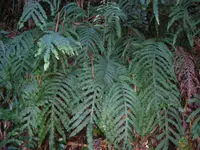
Lemon Button Fern (Nephrolepis cordifolia 'Duffii') Light Needs

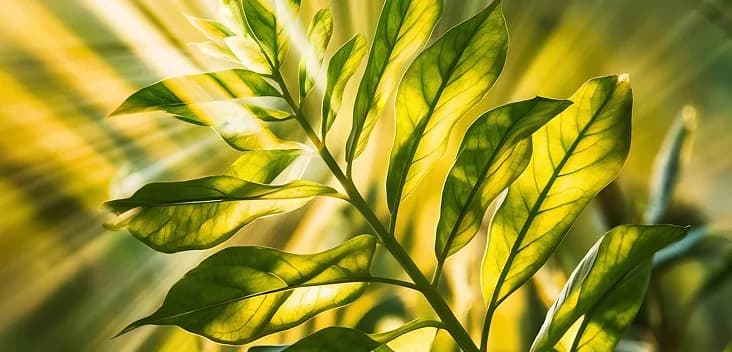
Lemon Button Fern grows best in bright, indirect light with brief, gentle morning sun if conditions stay mild.

Light Preference

Bright Indirect Light

Nephrolepis cordifolia 'Duffii' Light Requirements

This fern is associated with sheltered, humid habitats where fronds receive broken light through overhead growth rather than open, all-day sun. In these sites, light may be brighter at the edges of cover or during cooler parts of the day, but the foliage is usually protected from harsh afternoon exposure. Cultivated plants follow the same pattern. Preferred light is bright, filtered light.

  • Ideal exposure:

    Ideal exposure: Lemon Button Fern needs about 6–8 hours of bright, indirect or filtered light daily, including up to 1–2 hours of gentle direct morning sun.

  • Direct sun:

    Avoid full sun; thin fern fronds can scorch quickly in hot midday or afternoon rays.

  • Lower light:

    It can tolerate shade, but growth becomes slower and new fronds may stay smaller.

  • Best timing:

    Morning sun is safer than western exposure because it is cooler and less intense.

Indoors, place it where the fronds see bright sky but do not sit in hot direct sun.

NConditional
North-facing window:

A bright, unobstructed north window can work, but keep it close to the glass for enough light.

EBest
East-facing window:

An east window is usually the best indoor choice because it provides bright light with gentle morning sun.

SConditional
South-facing window:

A south window is suitable only with a sheer curtain or placement several feet back from direct rays.

WConditional
West-facing window:

A west window needs filtering or distance because afternoon sun is often too hot and intense.

Choose the placement that gives steady brightness without heating or bleaching the fronds.

Excess light usually shows on the most exposed fronds first. Sun stress can resemble dryness, so check the light pattern before changing care routines.

Bleached fronds:

Leaflets may look pale yellow-green or washed out on the window-facing side after stronger sun.

Tan scorch marks:

Dry tan patches can appear where direct rays hit the delicate foliage.

Exposed crisping:

Crisping may cluster on upper or outer fronds rather than appearing evenly through the plant.

Sun curling:

Fronds may curl or look dull during hot afternoon exposure, especially after a sudden move.

Move it back from the glass or add a sheer curtain. Trim only fronds that are fully damaged, and judge new growth after the light is corrected. Avoid adding more direct sun while the plant is recovering.

Low light usually shows as weak new growth rather than sudden damage. Shade tolerance does not mean it grows well in a dim corner.

  • Stretched fronds:

    New fronds may stretch toward the nearest light source and look looser than older growth.

  • Smaller growth:

    Fresh growth may stay short, sparse, or less full during the active growing season.

  • One-sided leaning:

    The plant may lean strongly toward one side when light comes from only one direction.

  • Thinner plant:

    Old fronds may not be replaced quickly, leaving the plant thinner over time.

Move it to a brighter indirect location, increasing exposure over several days. If growth improves, keep the light consistent and rotate the pot occasionally.

If ideal brightness is not available, choose the brightest spot that avoids harsh afternoon rays rather than a dim shelf. Keep the foliage slightly back from intense glass reflections.

Rotate the pot a quarter turn every 1–2 weeks so new fronds do not lean strongly toward the light source.

A deep interior corner is a poor choice because shade tolerance does not provide enough energy for steady, compact growth.

Get Personalized Care Plan

Scan your plant to receive care tips personalized for your specific plant

FAQ

Lemon Button Fern light requirements are brightest in indirect or filtered light for about 6–8 hours daily. A little soft morning sun is acceptable, but strong direct sun is not ideal.

Everything About Lemon Button Fern

More Plant Light Guides

Get the Botan App

Discover how to care for your plants with Botan.

Botan app identifying a plant with a phone camera
8 Glow-in-the-Dark Plants and Fungi That Really Exist

8 min read · 6 Nov 2026

8 Glow-in-the-Dark Plants and Fungi That Really Exist

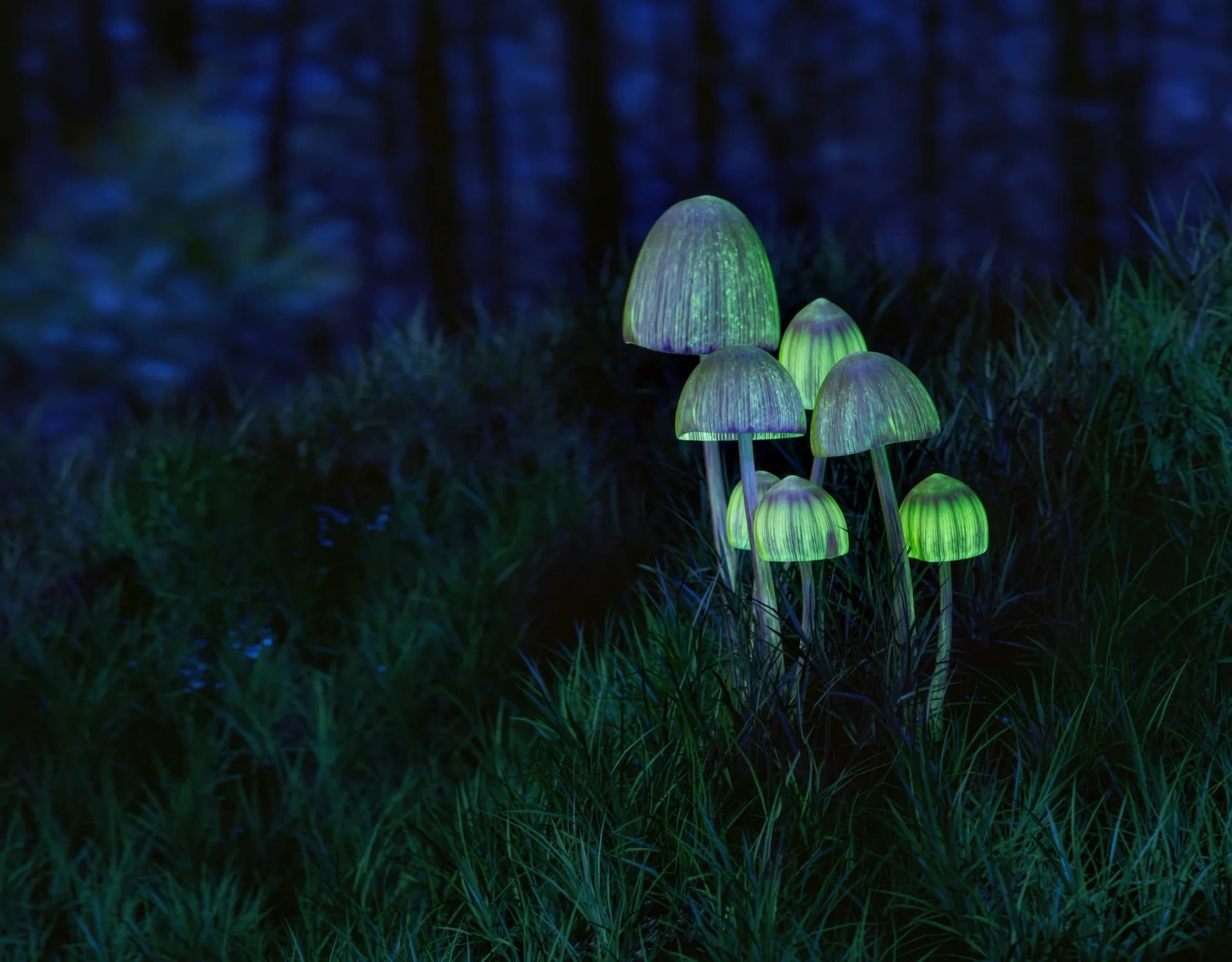
Plants that glow in the dusk really exist. Some of them produce their own light, while others need UV exposure or special treatments. Explore eight fascinating examples, including glowing petunias, bioluminescent mushrooms, fluorescent flowers, and experimental succulents.

Plant Recommendations
8 Glow-in-the-Dark Plants and Fungi That Really Exist
Top 5 Best Indoor Plants for Air Quality

5 min read · 11 Sept 2026

Top 5 Best Indoor Plants for Air Quality

Indoor plants can make a room feel fresher thanks to their air-purifying qualities. Here are 5 of the most suitable choices for your routine and living space.

Plant Recommendations
Top 5 Best Indoor Plants for Air Quality
15 Best Scary Halloween Plants and Fungi for a Spooky Garden

8 min read · 9 Oct 2026

15 Best Scary Halloween Plants and Fungi for a Spooky Garden

Want a garden that looks eerie in October? Here are 15 Halloween plants and fungi, from carnivorous traps to bleeding mushrooms. For each species, we cover its appearance, care requirements, and potential uses in your landscape.

Plant Recommendations
15 Best Scary Halloween Plants and Fungi for a Spooky Garden