
Mexican Snowball (Echeveria elegans) Watering Guide

This page explains when, how often, and how much to water Echeveria elegans in straightforward, practical terms.

Water Requirements

Low Water

Echeveria elegans Watering

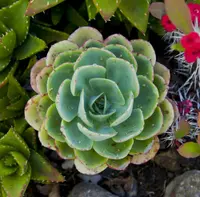
This compact rosette succulent evolved in naturally dry, rocky habitats with brief, infrequent rainfall. Echeveria elegans prefers soil that dries between waterings, rather than staying evenly moist for long periods.

For indoor plants, watering Mexican Snowball means waiting until the mix feels dry before watering again. Outdoor plants in the ground usually need less frequent attention, so the basic approach is light, occasional replenishment instead of regular moisture.

Water when the soil is completely dry, checking the top 1–2 inches (3–5 cm) for any moisture. Echeveria elegans typically needs water about every 2–4 weeks, but bright sun and high summer heat shorten this interval, while cooler indoor conditions or lower light extend it.

Water Mexican Snowball when the potting mix is fully dry, then rehydrate the root zone evenly while keeping the rosette protected.

  • Pour room-temperature water slowly onto the soil surface around the rosette, avoiding direct contact with leaves and center growth.
  • Continue adding water until it flows from the drainage holes, ensuring the entire root ball is evenly moistened.
  • Let the pot drain completely for several minutes, then discard any water collected in the saucer or decorative cachepot.
  • Use top watering only, since fast-flowing water helps flush salts while keeping the succulent’s compact rosette relatively dry.

Incorrect moisture around Echeveria elegans often leads to stress and health problems over time.

Mushy Lower Leaves:

Soft, translucent basal leaves usually indicate chronic overwatering and suffocating roots in poorly drained soil.

Shriveled Puffy Leaves:

Wrinkled yet thick leaves often signal underwatering combined with prolonged, intense heat and light exposure.

Blackened Stem Base:

Dark, collapsing stem tissue typically points to advanced root rot from persistently wet, compacted substrate.

Algae Or Mossy Soil:

Green film or moss on soil suggests excess surface moisture and insufficient drying between waterings.

Let the soil dry thoroughly between deep waterings, prioritizing drainage and infrequent moisture over frequent sips.

Unsuitable watering habits can stress Mexican Snowball, weakening roots, stretching growth, and reducing its ability to store water efficiently.

  • Watering by calendar: Following a fixed schedule ignores changing light and temperature; instead, water only when the potting mix is fully dry to the touch.
  • Dense, moisture-holding soil: Using heavy garden soil keeps roots wet too long; choose a gritty cactus mix that drains quickly after each watering.
  • Letting runoff sit: Leaving water in the saucer re-soaks the roots; empty it within a few minutes so excess moisture can evaporate.

Healthiest results come from fast-draining soil, thorough but infrequent watering, and allowing the root zone to dry completely between sessions.

  • Spring: Active rosette growth usually resumes; water slightly more often, letting soil dry fully between thorough waterings to avoid swollen, weak leaves.
  • Summer: In hot, bright conditions, increase checks for dryness, watering only when the pot is very light and lower leaves just begin to soften.
  • Fall: Growth slows; extend the dry period between waterings so roots are not sitting in cool, damp soil.
  • Winter: In cool, bright overwintering conditions, water sparingly and infrequently, just enough to prevent sustained leaf shriveling during semi-dormancy.

Stop Guessing — Water Smarter with Botan

Botan offers a clear watering guide and care routines for Echeveria elegans and can also review plant photos to help spot early issues and suggest practical next steps.

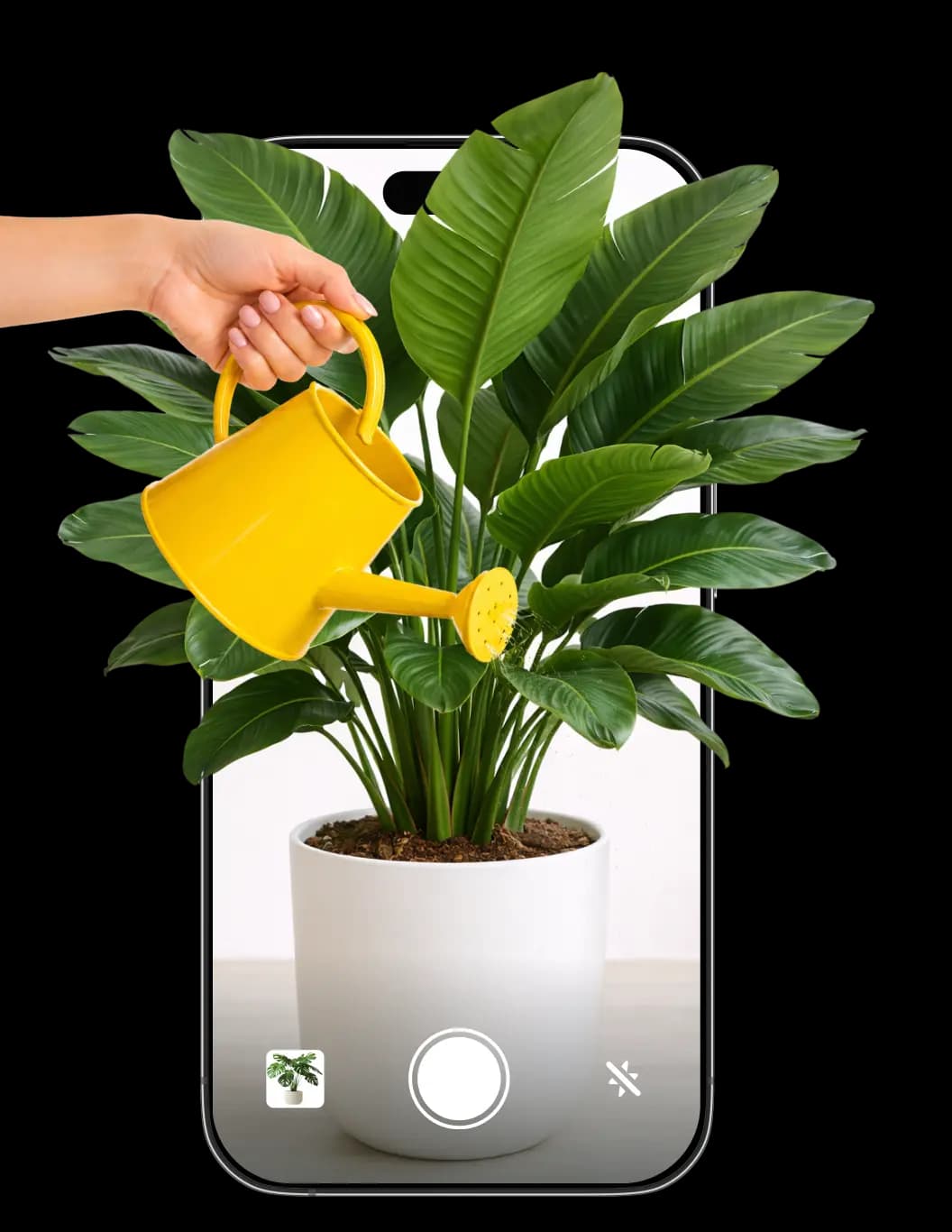
Botan plant care app — identify plants on mobile

FAQ

In warm, bright conditions, water about every 10–21 days, letting the soil dry fully between. In cooler, lower light or winter, water less often. Adjust how often to water based on soil dryness, not the calendar.

More Plant Watering Guides

Is Your Watering Routine Hurting Your Mexican Snowball?

Use Botan to review your watering pattern and adjust it with confidence.

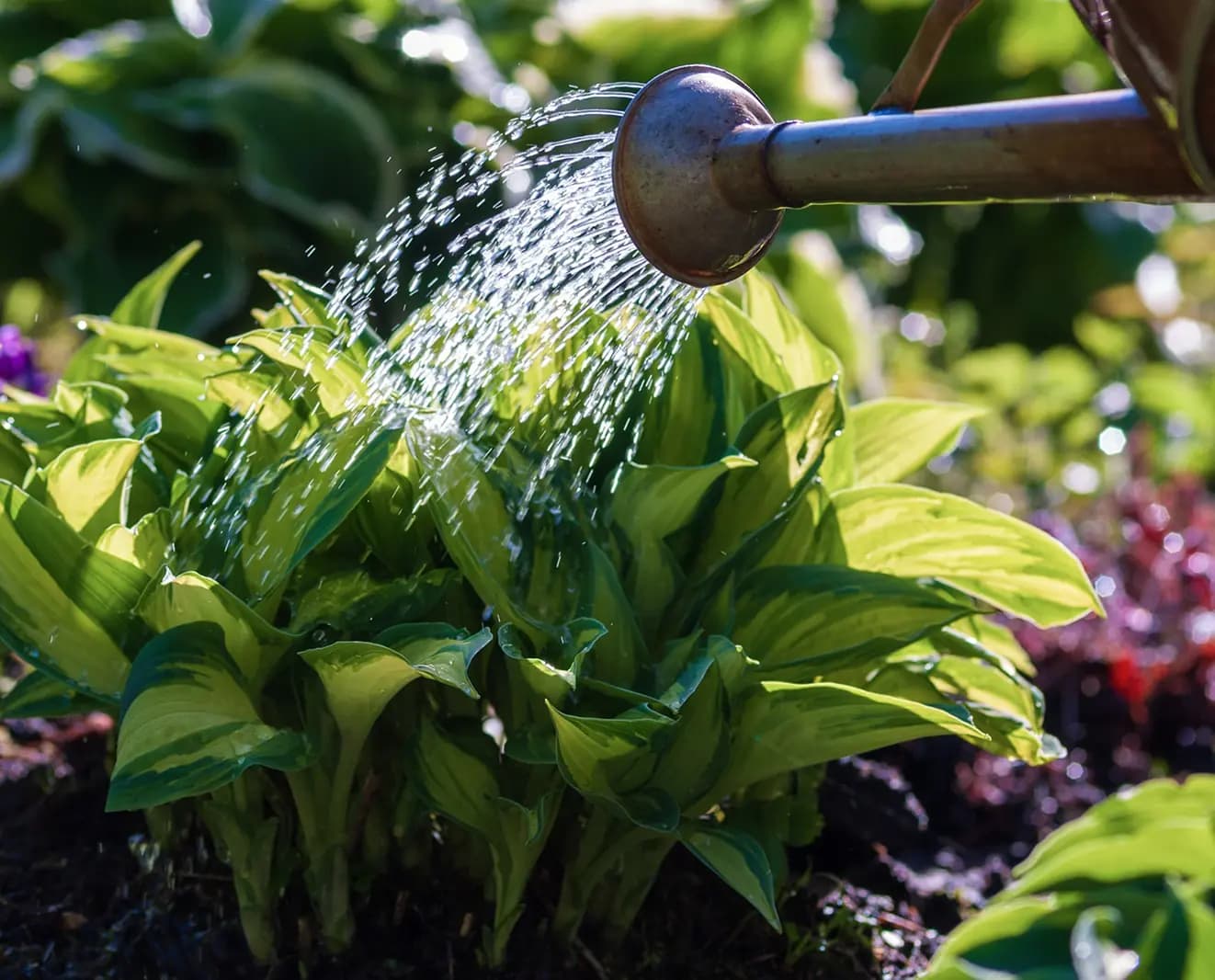
Watering a plant with a copper watering can
Planting Grass Seed in Summer – What Works and What Fails

7 min read · 6 Aug 2026

Planting Grass Seed in Summer – What Works and What Fails

Summer seeding succeeds when the grass type suits the season, and the soil stays moist. Find out how to prepare the seedbed and choose a safe window for planting.

Plant Care
Planting Grass Seed in Summer – What Works and What Fails
How to Mist Plants – Proper Technique and Common Mistakes

7 min read · 30 Jul 2026

How to Mist Plants – Proper Technique and Common Mistakes

Find out when misting works well and when to avoid it. Here, you’ll find detailed information about compatible and incompatible species, tips on how often to mist plants and do it correctly, and some great alternatives for raising humidity.

Beginner Guides
How to Mist Plants – Proper Technique and Common Mistakes
How Fast Does Bamboo Grow Per Day, Month, and Year

10 min read · 7 Jul 2026

How Fast Does Bamboo Grow Per Day, Month, and Year

Bamboo grows extremely fast: some species can reach 5-6 m in just 3-4 months under the right conditions. This guide explains how much bamboo can grow per day, week, and year, and what affects its growth rate.

Plant Recommendations
How Fast Does Bamboo Grow Per Day, Month, and Year