
Jade plant Identification (Crassula ovata)

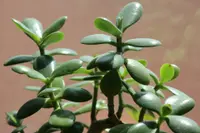
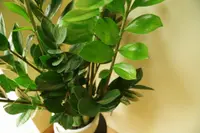
To recognize Jade plant, look for thick, spoon-shaped leaves set in opposite pairs, with each pair rotated 90 degrees from the next. The leaves sit on stout, branching succulent stems that age into a short, woody trunk.

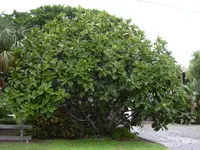
Most plants form a dense, upright shrub with rounded branch tips rather than a trailing habit.

Crassula ovata Identification

Identify Your Plant with Botan

Upload a plant photo and check the identification in seconds.

Clear images work best. Avoid photos taken too close or too far away

Use a few simple structural traits to check for Crassula ovata.

  • Leaves are opposite in pairs, thick, smooth, and broadly oval to spoon-shaped.
  • Most leaves are about 1-3 inches (2.5-7.5 cm) long, with short or nearly absent stalks.
  • Stems become woody and branch into a shrub-like form, often with a stout, trunk-like base.
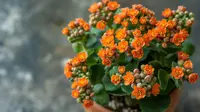
  • Clusters of small, star-shaped flowers can appear at branch tips; each flower usually has 5 petals.

Check the paired fleshy leaves and woody branching first.

Crassula ovata shows clear structural changes from small rooted starts to thick-stemmed flowering shrubs.

  • Juvenile plant: Juvenile plants stay compact, with opposite pairs of small, rounded succulent leaves on thin green stems and little branching compared with older plants.
  • Young plant: As the plant enlarges, leaves broaden and stems thicken, but stems usually remain green and smooth rather than barky or trunk-like.
  • Mature plant: Mature specimens form a woody base and stout branching framework, often reaching 3-6 feet (0.9-1.8 m) tall, with heavier, outward-spreading crown proportions.
  • Flowering stage: Flowering plants carry terminal clusters of small star-shaped white to pale pink flowers above the foliage, a feature usually absent on younger nonflowering plants.

Several well-known jade plant cultivars can be separated by leaf shape or stable variegation.

  • 'Gollum': Leaves are tubular and narrow, with a flared, suction-cup tip instead of the usual flat oval blade.
  • 'Hobbit': Leaves are rolled inward and curved, forming a spooned or trumpet-like shape rather than a full tube.
  • 'Tricolor': Leaves show cream to yellow variegation with pink to red margins, unlike the solid green typical form.
  • 'Hummel's Sunset': Foliage is yellow-green with strong red edging, especially in bright light, instead of plain glossy green.

In late fall to winter, Jade plant may show clusters of small, star-shaped white to pale pink flowers at branch tips. Bloom is the clearest seasonal identification clue, especially on older, sun-exposed plants. Outside the flowering period, seasonal shifts are modest. Leaves can take on red edging or a reddish flush in brighter light, often most noticeable in cooler months, but the plant usually stays leafy and green year-round.

Several succulents are regularly mistaken for Jade plant.

silver dollar jade(Crassula arborescens)

It shares a shrubby form and paired fleshy leaves. Its leaves are broader, rounder, blue-gray, and often edged red, while Crassula ovata usually has greener, more oval leaves.

elephant bush(Portulacaria afra)

This plant also forms a woody succulent shrub with small rounded leaves. The quickest check is stem color and leaf size: Portulacaria afra often has reddish stems and much smaller leaves, usually under 1 inch (2.5 cm).

silver jade vine(Senecio jacobsenii)

Young upright growth can resemble a jade plant. It differs by trailing stems and flatter, paddle-like leaves instead of a self-supporting upright shrub.

Crassula ovata is native to South Africa, mainly in the Eastern Cape and KwaZulu-Natal. In the wild it occurs on rocky hillsides and slopes, often among shrubs in dry thicket and bushland. That setting helps with identification because this species is a South African succulent of open, rocky habitats rather than a forest understory or true desert plant. Knowing that range can help separate it from similar cultivated succulents with different native habitats.

  • Ingestion toxicity: Crassula ovata is toxic if eaten. The main concern is ingestion of the leaves or stems by humans, cats, dogs, and horses.
  • Pet risk: Pets are the main practical concern because this plant is commonly kept indoors. Keep fallen leaves and pruned pieces away from cats and dogs, since the hazard is from eating plant parts, not normal handling.

Does Your Plant Match?

Use Botan to compare a photo and help identify or confirm the plant, which is useful when labels are missing or uncertain.

FAQ

Yes. The leaves are thick, smooth, and firm, with a fleshy succulent texture that stores water. Their surface is usually glossy to slightly waxy, which helps when identifying Jade plant among thinner-leaved houseplants.

More Plant Identification Guides

Identify It. Learn More About It.

Upload a photo to identify the plant, then get species-specific care information, safety notes, and common problems.

Botan app identifying a plant from a photo
How to Clean Plant Leaves: A Simple Care Guide

6 min read · 4 Aug 2026

How to Clean Plant Leaves: A Simple Care Guide

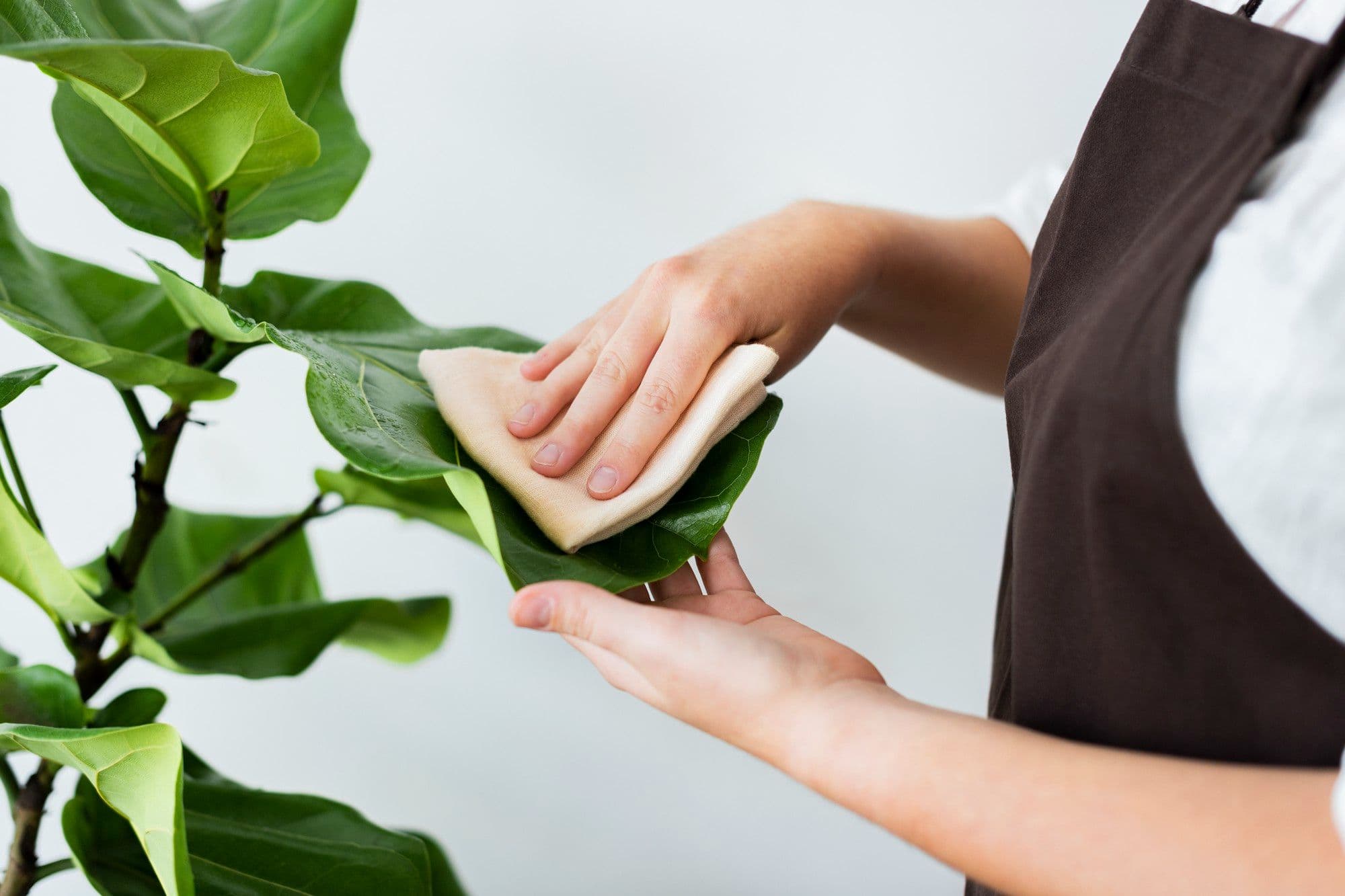
Dusty leaves look dull and don't absorb light well. Below, you'll find simple ways to clean them, which tools are truly effective, how often you should do it, and what causes damage.

Beginner Guides
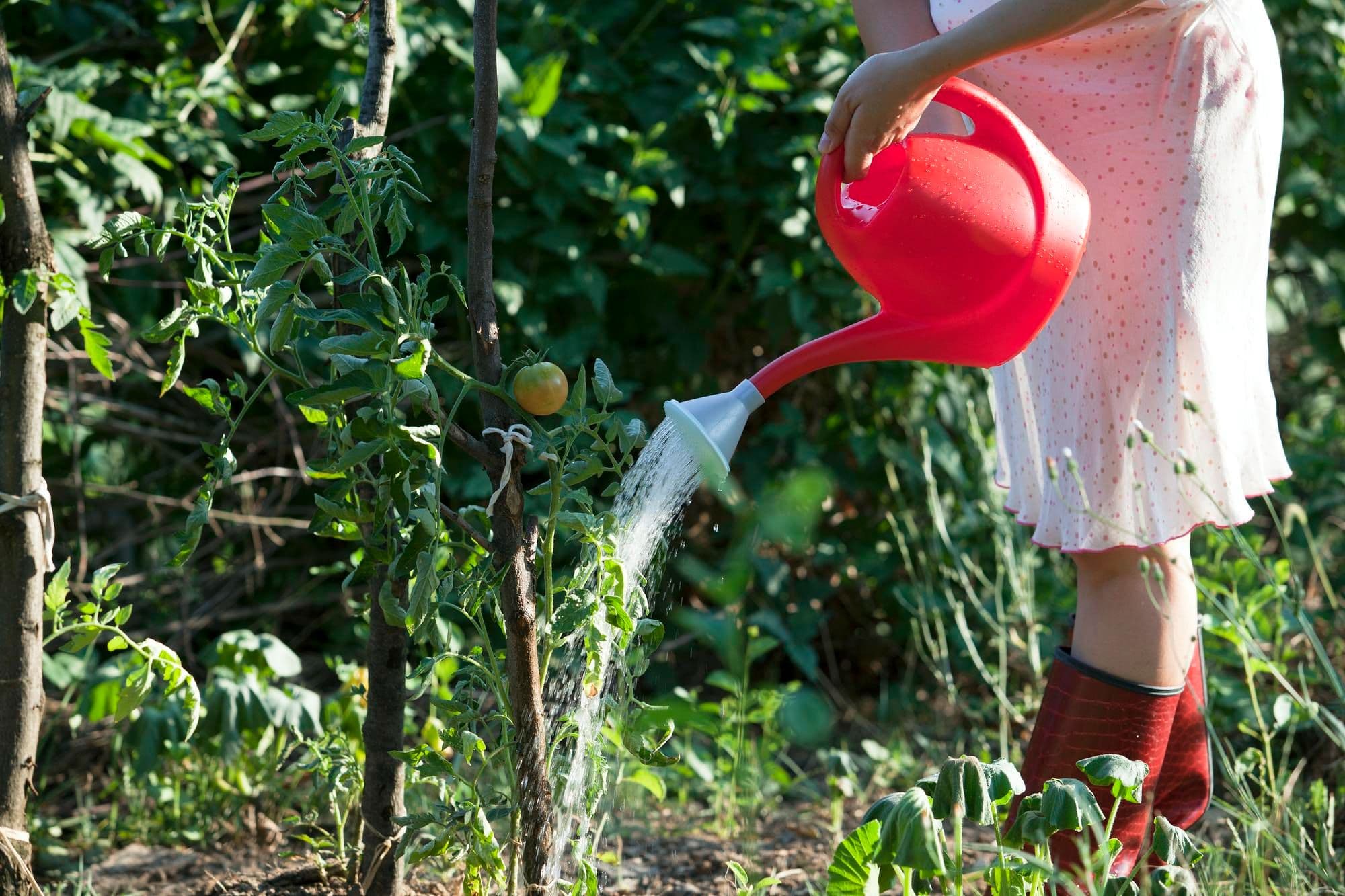
How to Clean Plant Leaves: A Simple Care Guide
How Often to Water Fruit Trees

7 min read · 11 Aug 2026

How Often to Water Fruit Trees

Irrigation needs change as roots establish and weather shifts. This guide gives practical starting intervals, explains how soil and tree type change them, and shows how to recognize both excess moisture and drought stress.

Plant Care
How Often to Water Fruit Trees
Best Fertilizer for Vegetable Gardens – What to Use for Each Plant

11 min read · 20 Jul 2026

Best Fertilizer for Vegetable Gardens – What to Use for Each Plant

Here, you’ll find the right fertilizer formula for vegetables in your garden. Learn how to adjust feeding correctly throughout the growing cycle, spot nutrient deficiencies by their symptoms, and keep your plants healthy and prolific.

Plant Recommendations
Best Fertilizer for Vegetable Gardens – What to Use for Each Plant