
Monstera Identification (Monstera deliciosa)

To recognize Monstera deliciosa, look for large, heart-shaped leaves on a thick climbing stem, with deep splits and oval holes in the blade on mature plants.

Check for stout aerial roots at the stem nodes and leaves held singly on long stalks rather than in pairs.

Monstera deliciosa Identification

Identify Your Plant with Botan

Take or upload a photo to confirm your plant ID with Botan.

Clear images work best. Avoid photos taken too close or too far away

Use these visible traits to check a Monstera deliciosa.

  • Leaves are large, glossy, and heart-shaped at the base, often 12-35 inches (30-90 cm) long.
  • Mature leaves show deep splits from the edges plus oval holes near the midrib.
  • Each leaf sits alone on a long, thick stalk, alternating one per node along the stem.
  • Stems are stout and climbing, with thick aerial roots emerging from the nodes.
  • The plant grows as a vine rather than a trunked shrub, often leaning or attaching to support.

Check several leaves and stems together, since no single trait is enough on its own.

Monstera shows clear, useful visual shifts from juvenile foliage to reproductive maturity.

  • Juvenile plant: Leaves are entire, heart-shaped, and smaller, without holes or deep splits; stems are thinner and the plant often trails or climbs lightly.
  • Young plant: New leaves begin showing elongated perforations and shallow edge splits; internodes lengthen, and climbing growth becomes more obvious as supports are reached.
  • Mature plant: Leaves become large, often 20-35 inches (50-90 cm) long, with broad blades, many perforations, and deep cuts to the margins; stems thicken and produce aerial roots.
  • Fruiting stage: A mature Monstera may carry an upright, cylindrical fruiting spike after flowering, with a tightly packed, scale-like surface that later loosens as it ripens.

Several named forms of Monstera deliciosa are identifiable by stable leaf color and growth habit.

  • 'Albo-Variegata': Leaves show large white sectors or marbling against green, often with sharp blocky contrast rather than fine speckling.
  • 'Aurea': Variegation is yellow to cream instead of white, usually appearing as broad patches or marbled areas on mature leaves.
  • 'Thai Constellation': Leaves have cream to pale yellow flecking spread across the blade in a fine, even pattern, not large white sectors.
  • 'Compacta': This form stays shorter between nodes, so leaves and stems sit closer together and the plant looks denser than the typical form.

In warm climates, Monstera deliciosa may produce its pale cream spathe and spadix, a hood-like bract around a flower spike, from late spring into summer. Flowering is uncommon indoors, but when present it is a strong seasonal clue. After flowering, a green, cone-like fruit may remain visible for many months and slowly ripen. The plant usually stays leafy year-round, so seasonal leaf drop is not a useful identification feature.

Several aroids are often mistaken for Monstera.

split-leaf philodendron(Thaumatophyllum bipinnatifidum)

Both have large, dramatic leaves. This species has deep cuts to the leaf edge but no interior holes. It also forms a thicker, self-heading trunk-like stem.

Swiss cheese vine(Monstera adansonii)

Both can show leaf holes. M. adansonii stays much smaller, with narrower leaves and many oval perforations that usually do not reach the margin.

windowleaf(Monstera epipremnoides)

Both may have fenestrated leaves. This species usually has longer, narrower blades with more elongated holes, while mature M. deliciosa develops broader, heart-based leaves.

Monstera deliciosa is native from southern Mexico through Central America, including Guatemala, Belize, Honduras, Nicaragua, Costa Rica, and Panama. It occurs mainly in humid tropical forest. In the wild it is usually an understory climber in lowland to premontane rainforest, often rooting in the ground and ascending tree trunks. That forest setting helps narrow identification because true wild plants are tied to shaded, moist woodland rather than dry scrub, grassland, wetlands, or alpine habitats.

  • Leaves and stems: Monstera deliciosa contains insoluble calcium oxalate crystals in the leaves and stems. Chewing or swallowing plant tissue can irritate the mouth, tongue, and throat in humans and pets.
  • Sap contact: Sap from cut stems or leaves can irritate skin in some people. The concern is skin contact rather than poisoning.
  • Unripe fruit: Unripe fruit can also contain irritating calcium oxalate crystals. The concern is ingestion by humans or pets.

Not Sure About the ID?

Use Botan to identify or confirm it from a photo, which helps avoid mix-ups with similar houseplants.

FAQ

Yes. Monstera deliciosa identification usually relies on the large, glossy leaves with deep splits and oval holes, plus a thick climbing stem with aerial roots. Fruit is uncommon on indoor plants and not necessary for identifying Monstera.

More Plant Identification Guides

Know Your Plant Better

Identify it from a photo with Botan, then get plant details, care information, and common problems for that species.

Botan app identifying a plant from a photo
How Long Can Flowers Go Without Water? Everything You Need to Know

6 min read · 10 Jul 2026

How Long Can Flowers Go Without Water? Everything You Need to Know

Flowers can survive without water anywhere from 1-2 hours to several months, depending on the plant type, species, and growing conditions. Some strong-looking flowers are drought-sensitive, while delicate-looking plants may tolerate long dry periods surprisingly well.

Plant Care
How Long Can Flowers Go Without Water? Everything You Need to Know
Best Fertilizer for Grass in Summer: How to Choose the Right One

6 min read · 18 Aug 2026

Best Fertilizer for Grass in Summer: How to Choose the Right One

The right fertilizer in summer can make a lawn thrive. The wrong one can damage it. Here, you’ll learn the best NPK ratios by grass type, when and how to apply your formula, and how to recognize the signs of over- or under-fertilizing.

Plant Care
Best Fertilizer for Grass in Summer: How to Choose the Right One
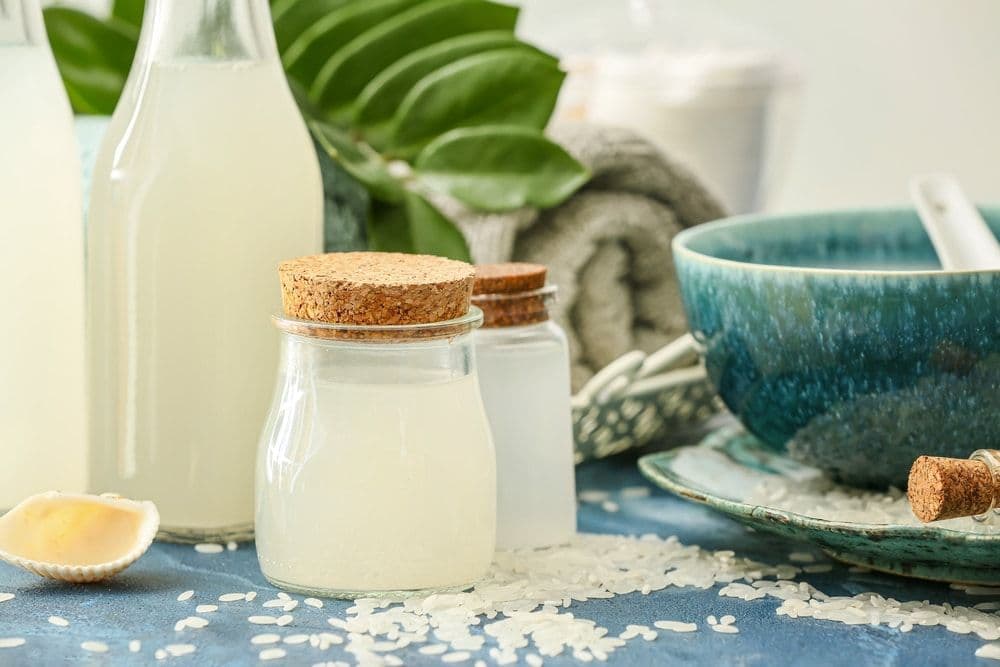
Rice Water for Plants – Which Plants Love It and How to Make It

8 min read · 14 Jul 2026

Rice Water for Plants – Which Plants Love It and How to Make It

Rice water can be an ideal DIY solution for orchids, roses, or fruiting plants. It supports growth, leaf count, and height. We’ll share how to make and apply it correctly for your plant.

Plant Care
Rice Water for Plants – Which Plants Love It and How to Make It