



7 min read · 24 Aug 2026
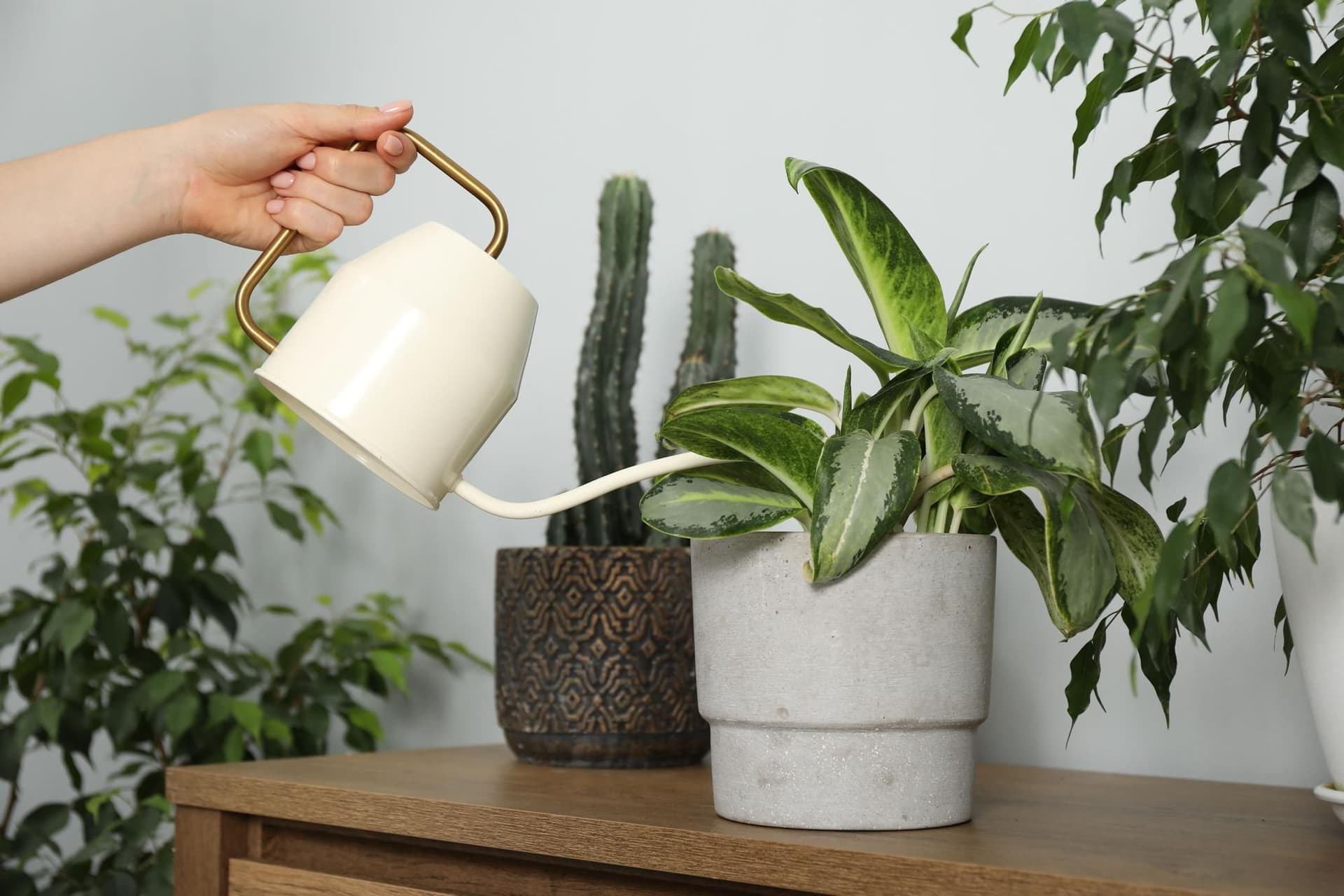
How to Water Houseplants: Watering Guide
Learn how often to water indoor plants, key factors for proper watering, and how to adjust the care routine by plant type, season, pot size, light, and indoor conditions.
Plant Care


A loose, fast-draining mix helps Ledebouria socialis maintain healthy bulbs and roots without staying wet for too long.

Soil Texture
Sandy, Loamy, Organic-rich

Soil pH
Acidic (5.5–6.5), Slightly acidic (6.5–7.0)

Soil Drainage
Well-drained
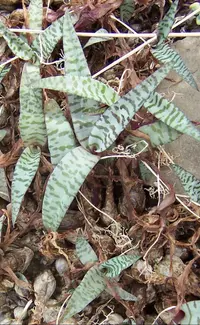
Native to eastern South Africa, Ledebouria socialis grows in warm, seasonally dry conditions where water moves through the ground quickly. That background explains why the best soil for Silver squill is loose, airy, and fast-draining rather than dense or water-holding.
This species forms small bulbs close to the soil surface, and those bulbs store moisture. A sandy, loamy substrate with some organic matter gives roots oxygen while holding only light, even moisture. Slightly acidic to mildly acidic soil suits its natural preference without needing heavy richness.
A simple custom mix gives Ledebouria socialis the open structure its bulbs and roots prefer. It also makes moisture levels easier to manage in containers.
The finished blend should feel crumbly, gritty, and light in the hand, with quick flow through the pot and no dense, sticky texture.
A slightly acidic to near-neutral range of 5.5–7.0 suits Silver squill well. In that range, key nutrients stay more available to the roots without pushing the mix too far toward acidity or alkalinity.
This species is usually fairly adaptable within that window, but a moderately acidic mix tends to support more balanced nutrient uptake over time.
This species is more sensitive to stale, compacted root conditions than many leafy houseplants. Watch for gradual changes and correct the mix early if soil may be involved.
If the surface hardens and water seems to sit or run down the edges, gently loosen the top layer and plan to replace the mix with a more open one.
If the container feels heavy for many days, increase airflow around the roots by moving to a faster-draining medium and checking that excess water can leave the pot.
If dry soil pulls away from the pot sides and resists wetting, re-moisten it gradually and refresh part or all of the medium if it keeps happening.

Plant Soil Guide
Find the right soil mix for your plant and support healthier root growth
Botan helps match this plant to a more suitable soil setup based on its growth habit, container conditions, and care pattern.
Yes. Drainage holes are strongly recommended because this species handles trapped moisture poorly around its bulbs and roots. A pot without an exit for excess water raises the chance of stagnant, airless conditions.
Use Botan’s photo-based assessment to see whether a visible issue could be linked to soil conditions and what to check next.
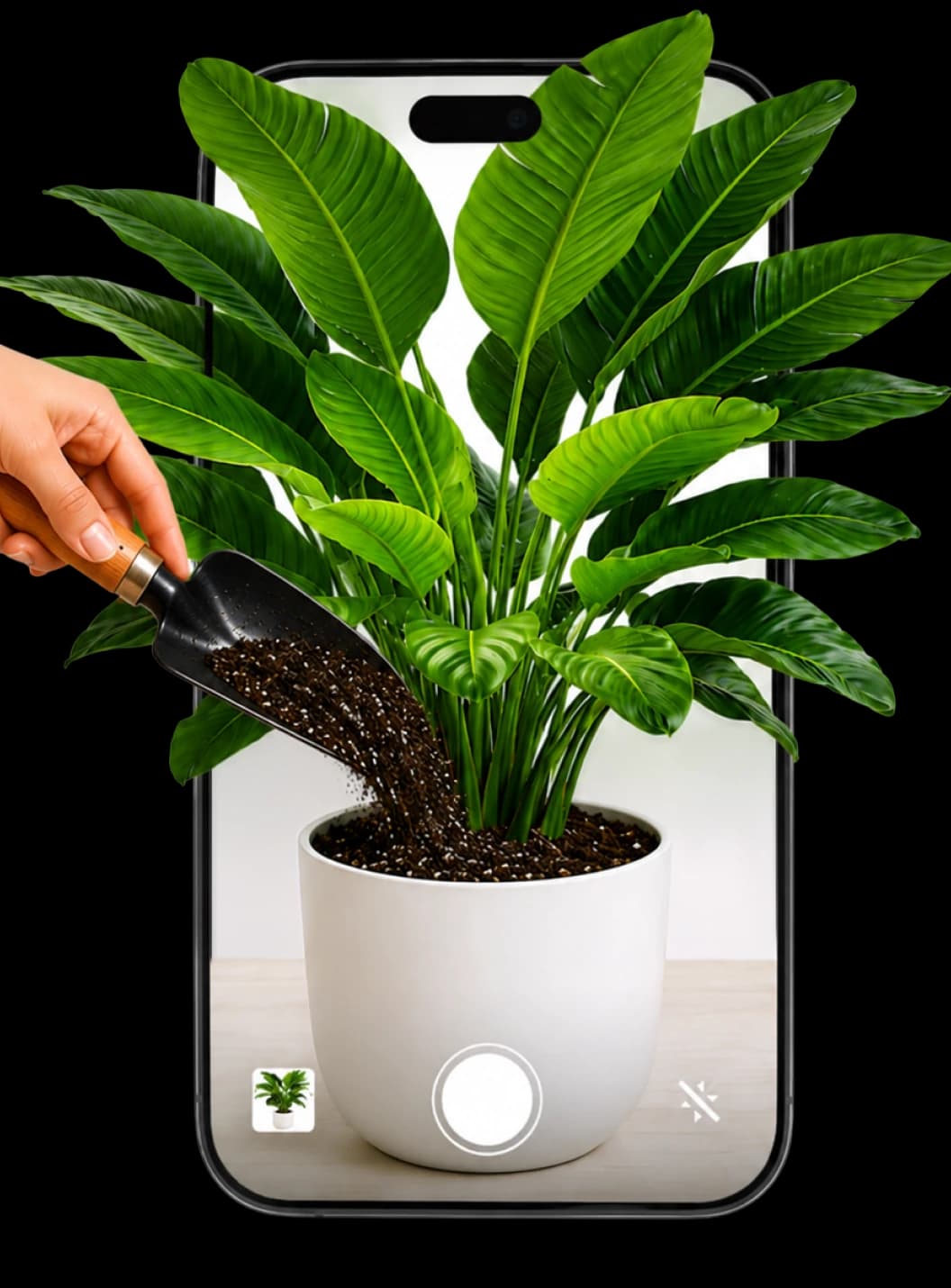
7 min read · 24 Aug 2026
Learn how often to water indoor plants, key factors for proper watering, and how to adjust the care routine by plant type, season, pot size, light, and indoor conditions.
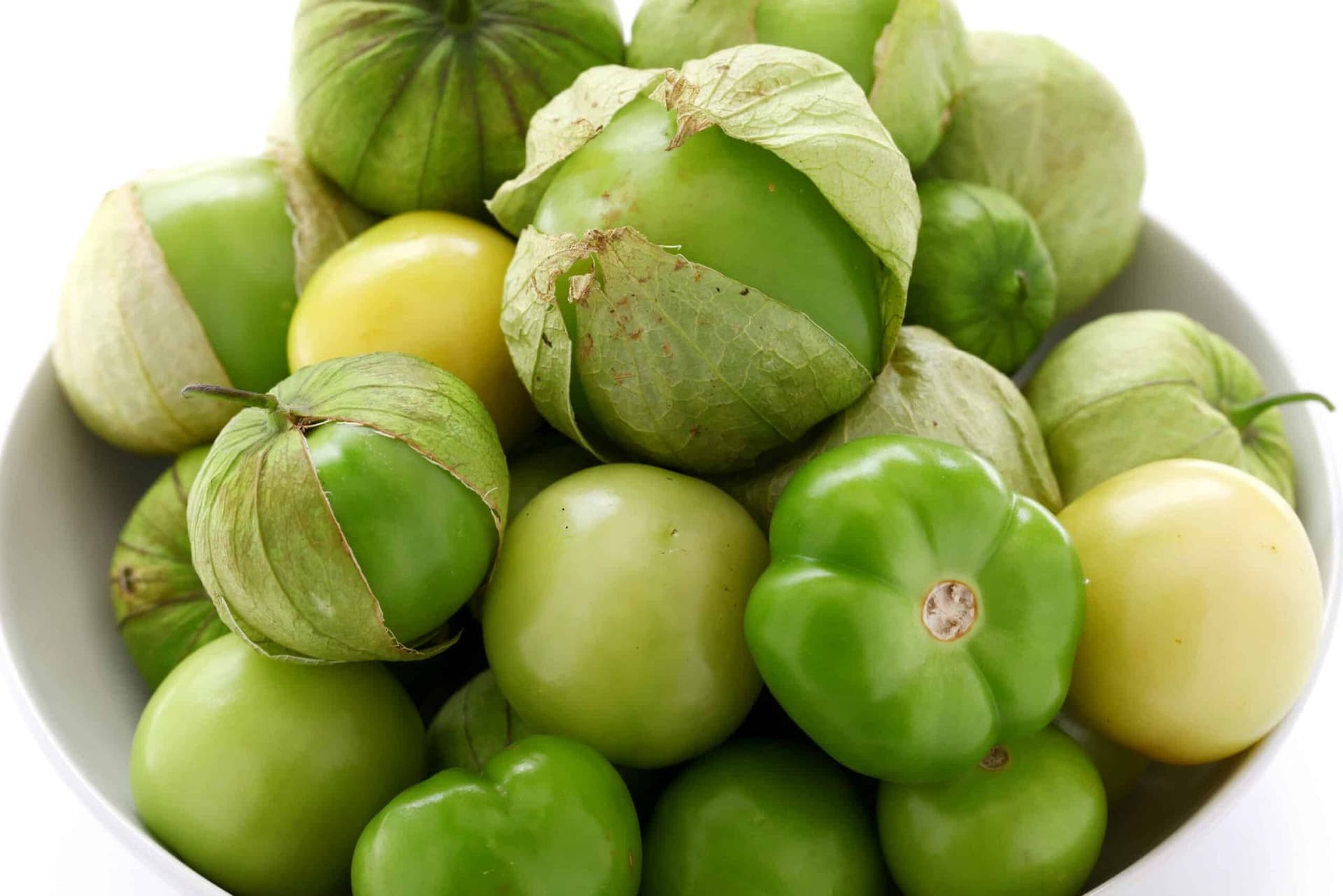
4 min read · 20 Oct 2026
Tomatillos grow inside papery husks, making it hard to judge ripeness at a glance. This guide explains how to know when tomatillos are ripe and offers practical advice on harvesting and storage.
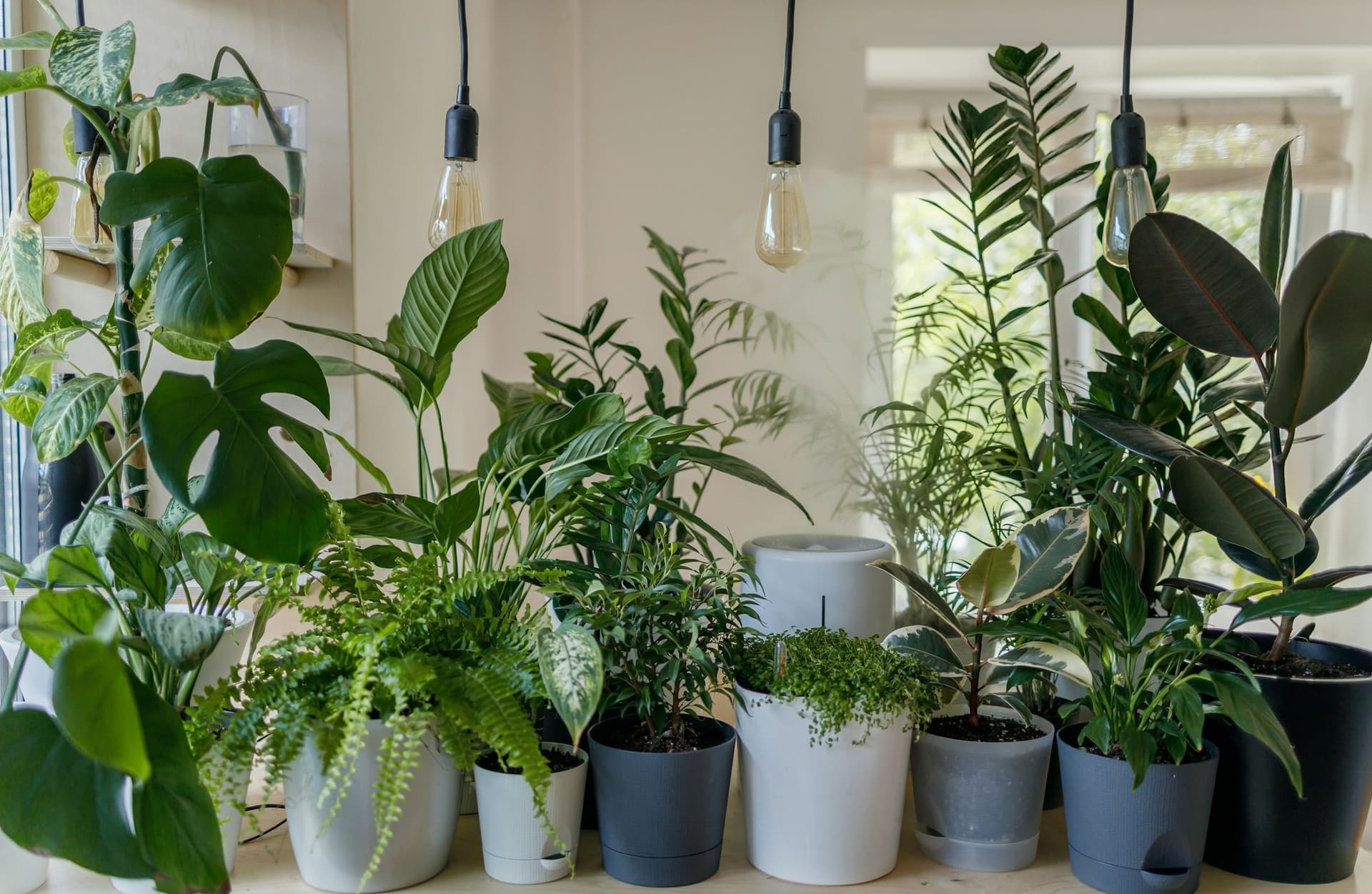
8 min read · 17 Sept 2026
Some plants thrive in dim rooms, shaded corners, and places with indirect light. In this guide, you’ll explore the top 15 species best suited to low-light conditions and how to care for them.