


Java fern (Leptochilus pteropus) Light Needs

Java fern grows best in partial shade with bright, filtered light and only brief gentle sun.

Light Preference

Partial Shade

Leptochilus pteropus Light Requirements

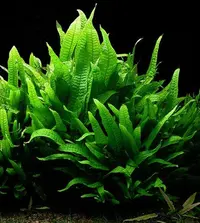
In nature, this fern grows attached to rocks, wood, and stream margins in warm, humid forest waterways across tropical Southeast Asia. Overhanging vegetation and moving water soften the sun, so the leaves usually receive filtered light or partial shade rather than open, harsh exposure. Cultivated plants follow the same pattern. Java fern prefers bright filtered light or partial shade.

  • Ideal exposure:

    Java fern needs about 6–8 hours of bright, filtered light daily, including no more than 1–2 hours of gentle direct morning sun.

  • Direct sun:

    Full sun is not suitable; harsh midday or afternoon rays can bleach or scorch exposed leaves.

  • Lower light:

    Shade is tolerated, but very dim conditions often slow growth and reduce new leaf size.

  • Best balance:

    Steady moderate light is safer than high intensity, especially in glass containers that can warm quickly.

Indoors, place the aquarium or container where light is bright but softened.

NConditional
North-facing window:

Use this only if the plant also receives a steady aquarium light, because a north window alone may be too dim.

EBest
East-facing window:

Set it near an east window where morning sun is brief and filtered through glass or a sheer curtain.

SConditional
South-facing window:

Keep it several feet from a south window or behind a sheer curtain so midday sun does not strike the leaves directly.

WPoor
West-facing window:

Avoid an unfiltered west window, where hot afternoon sun can overheat the water and scorch exposed leaves.

Stable moderate light is more useful than a short burst of strong sun.

Excess light usually appears on the most exposed leaves first.

Bleached patches:

Pale tan or whitish areas can form where sudden direct sun hits the leaf surface.

Transparent spots:

Thin, glassy patches may appear after strong light exposure, especially near the top of the aquarium or container.

Algae-coated leaves:

Heavy green or dark coating on older leaves can become more noticeable when light is too intense or runs too long.

Move Leptochilus pteropus out of direct afternoon sun, shorten the light period, or add a sheer filter. Damaged areas may remain, but new growth should emerge cleaner under gentler light.

Low light is tolerated, but growth can become noticeably weaker.

  • Very slow growth:

    During the active season, few new leaves may appear even when temperature and general care are stable.

  • Small new leaves:

    New leaves may stay shorter and narrower than older leaves instead of expanding normally.

  • Leaning growth:

    Leaves may angle toward the brightest side of the tank or container when light is uneven.

  • Dark sparse growth:

    Older leaves may look darker while the plant produces fewer fresh leaves from the rhizome.

Move Leptochilus pteropus to brighter filtered light or extend the moderate light period toward 6–8 hours. Avoid jumping straight into strong direct sun.

If ideal filtered light is not available, choose steady moderate aquarium lighting for 6–8 hours instead of a dim corner or sunlit window.

Raise or shift the light source if leaves bleach near the top, and rotate the container when growth leans strongly to one side.

Avoid all-day direct sun on glass, because it can overheat the water and push light intensity beyond what this fern uses well.

Get Personalized Care Plan

Scan your plant to receive care tips personalized for your specific plant

FAQ

Java fern light requirements are moderate: bright filtered light or partial shade for about 6–8 hours daily, with only brief gentle morning sun if any direct sun reaches it.

More Plant Light Guides

Get the Botan App

Discover how to care for your plants with Botan.

Botan app identifying a plant with a phone camera
How to Use a Moisture Meter for Plants

5 min read · 4 Sept 2026

How to Use a Moisture Meter for Plants

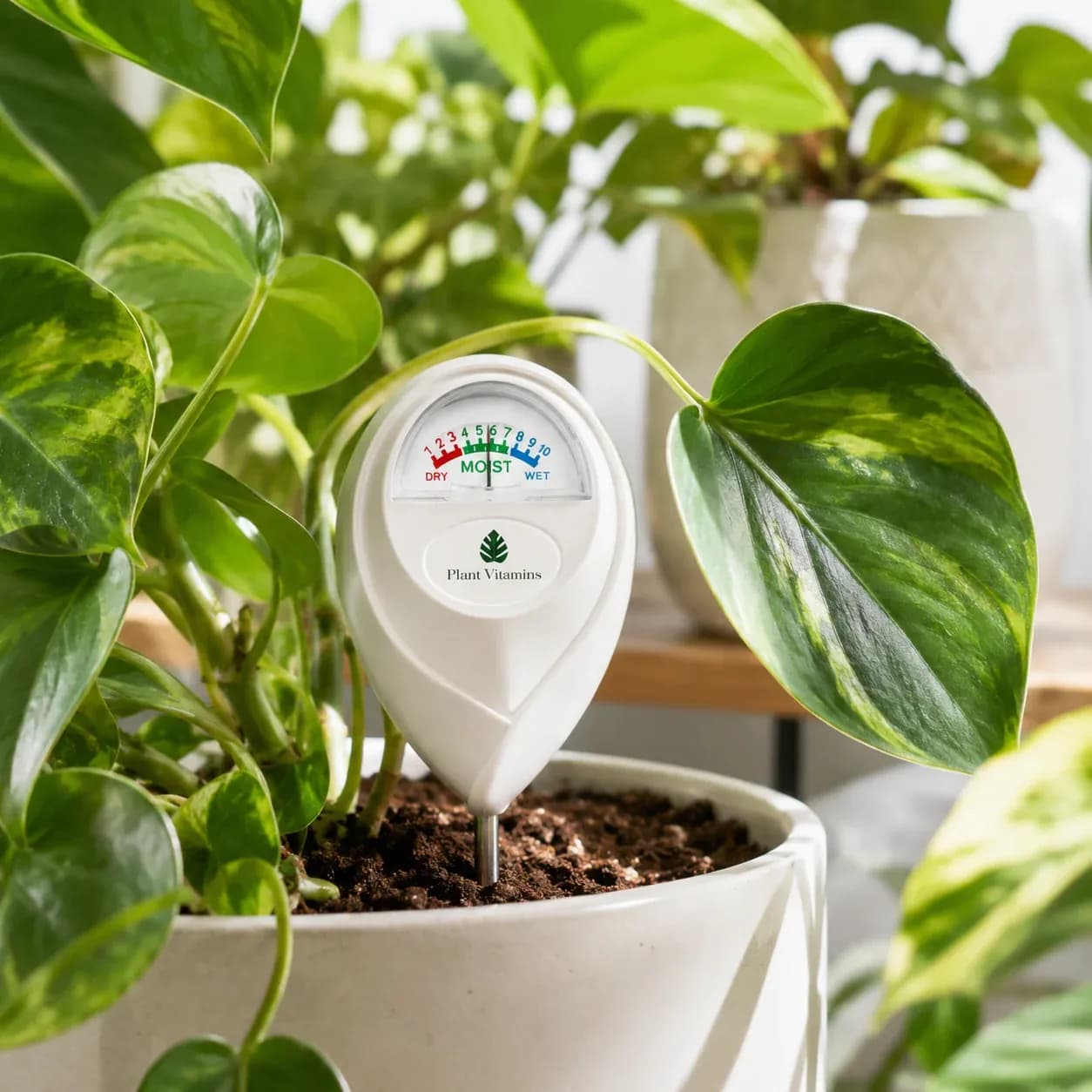
Watering by feel kills plenty of houseplants. A moisture meter checks the soil for you, and takes the guesswork out of it. This guide will show you how to use it correctly, from the first touch to the final reading.

Beginner Guides
How to Use a Moisture Meter for Plants
Best Water for Plants – How to Choose the Right Type

7 min read · 13 Aug 2026

Best Water for Plants – How to Choose the Right Type

Rainwater, filtered, distilled, and tap water affect plants differently. Learn which types support healthy growth and which cause slow damage. Match each to your plants and discover how to easily improve tap water quality.

Plant Care
Best Water for Plants – How to Choose the Right Type
How to Bottom Water Plants: Complete Guide

6 min read · 13 Jul 2026

How to Bottom Water Plants: Complete Guide

Bottom watering helps soil absorb moisture evenly and keeps foliage dry, reducing the risk of missed dry spots or root problems. Place the pot in a tray of water for a short time, then let it drain well.

Plant Care
How to Bottom Water Plants: Complete Guide