Translucent water windows
The leaf tips form clear, window-like tissue that lets light reach inner chlorophyll while most of the leaf stays buried and shaded, helping reduce water loss in its hot, dry habitat.

This page outlines when, how often, and how much to water Haworthia cooperi in straightforward, practical terms.

Water Requirements
Low Water
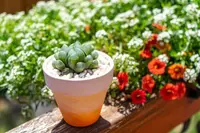
Originating from South Africa’s semi-arid regions, this succulent evolved with brief rainfall followed by extended dry periods. Haworthia cooperi prefers soil that dries between waterings rather than staying consistently damp, especially in indoor containers.
In practice, watering Haworthia cooperi means giving moisture, then allowing the mix to dry out again. Indoors, this typically involves lighter, less frequent watering than many leafy houseplants, while outdoor plants may need slightly more attention during hotter, exposed conditions.
Water when the soil is completely dry at least 1–2 inches (3–5 cm) down; the pot should feel very light. Haworthia cooperi typically needs water about every 2–4 weeks, with shorter intervals in warm, bright conditions and longer gaps during winter rest.
Water Haworthia cooperi when the potting mix is completely dry, then rehydrate the root zone slowly and evenly.
Incorrect moisture levels can weaken Haworthia cooperi and gradually trigger several preventable problems indoors or outdoors.
Outer leaves wrinkle and feel flexible when the potting mix stays dry for extended periods.
Leaf tissue turns glassy and collapses after frequent watering in a poorly drained substrate.
Lower rosette bases darken and smell sour when stagnant, soggy soil encourages rot organisms.
Formerly firm white roots become brittle tubes following chronic overwatering and restricted drainage holes.
Allow the mix to dry most of the way, then water deeply and drain completely.
Unsuitable watering habits quickly stress Haworthia cooperi, since this compact succulent stores moisture in its leaves and hates prolonged saturation.
Safer watering focuses on brief, deep soakings into fast-draining soil, then allowing a full dry-out period before the next drink.

Plant Water Guide
Learn how much water your plant needs and keep its routine on track
Use Botan for a clear watering guide and simple care steps for Haworthia cooperi, plus gentle photo-based checks that flag early signs of stress or other problems.
The leaf tips form clear, window-like tissue that lets light reach inner chlorophyll while most of the leaf stays buried and shaded, helping reduce water loss in its hot, dry habitat.
In habitat, leaf rosettes stay tight and low during dry spells, then swell and slightly open after rains as the plant rapidly absorbs and stores water in its fleshy leaves.
In bright, warm indoor conditions, water about every 2–3 weeks, but only when the potting mix is fully dry. In cooler or lower light, watering may drop to once a month or less.
Botan reviews your watering pattern and highlights when adjustments could be helpful.
8 min read · 31 Jul 2026
To keep plants healthy and thriving, provide the right balance of light, humidity, nutrients, airflow, and quality soil. This guide covers the essentials of year-round plant care.

11 min read · 29 Jul 2026
Learn which plants can be seriously damaged by Epsom salt and which will thrive on it. We’ll explain when and how to use it properly, provide tips for indoor & outdoor plants — read on and enjoy a healthy garden.
10 min read · 25 Aug 2026
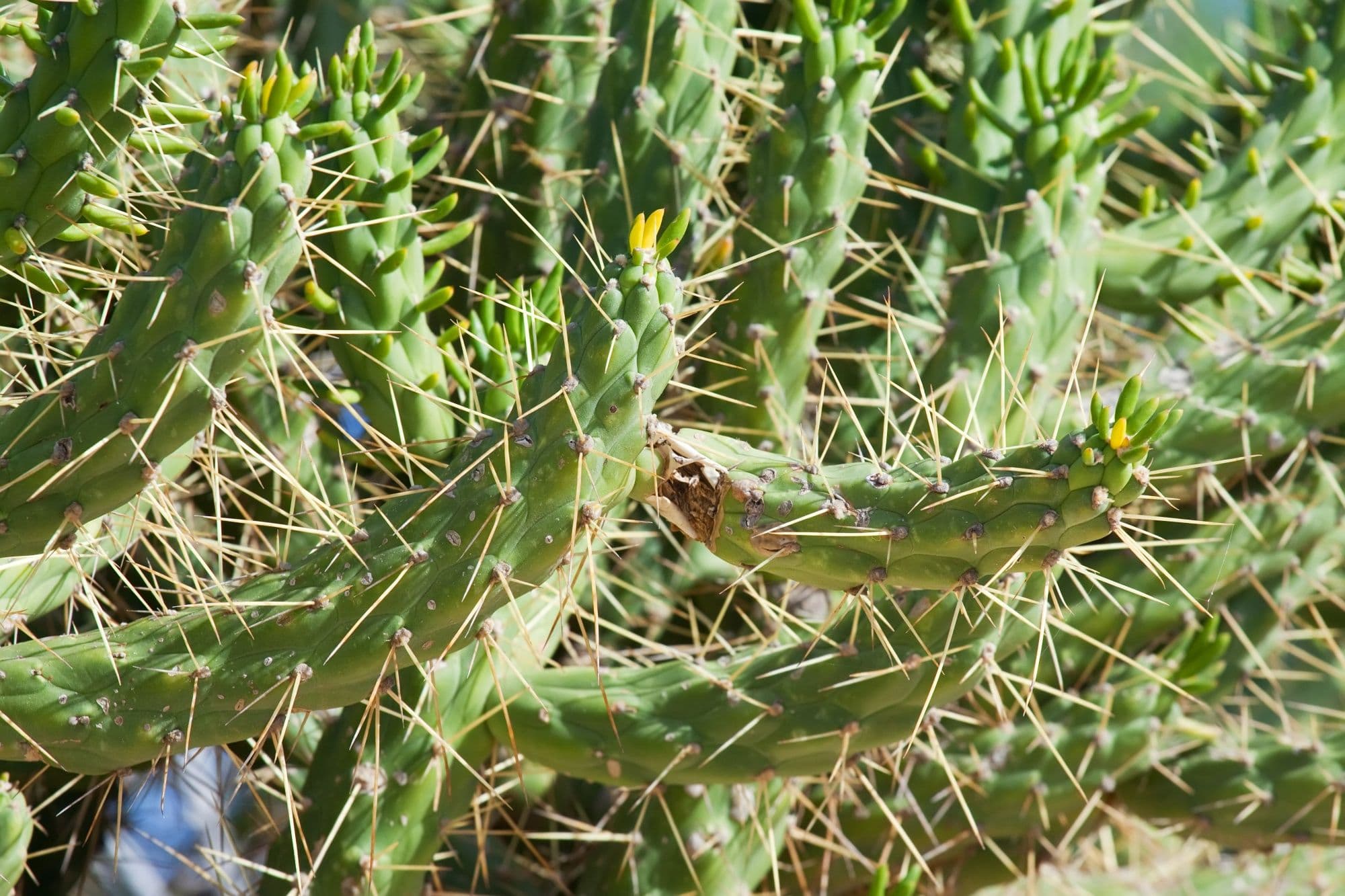
Many plants defend themselves with sharp thorns. This guide explores over 20 examples among flowers, shrubs, trees, and vines. You'll learn what each plant looks like, why it grows thorns, and how to quickly identify them.