


7 min read · 24 Aug 2026
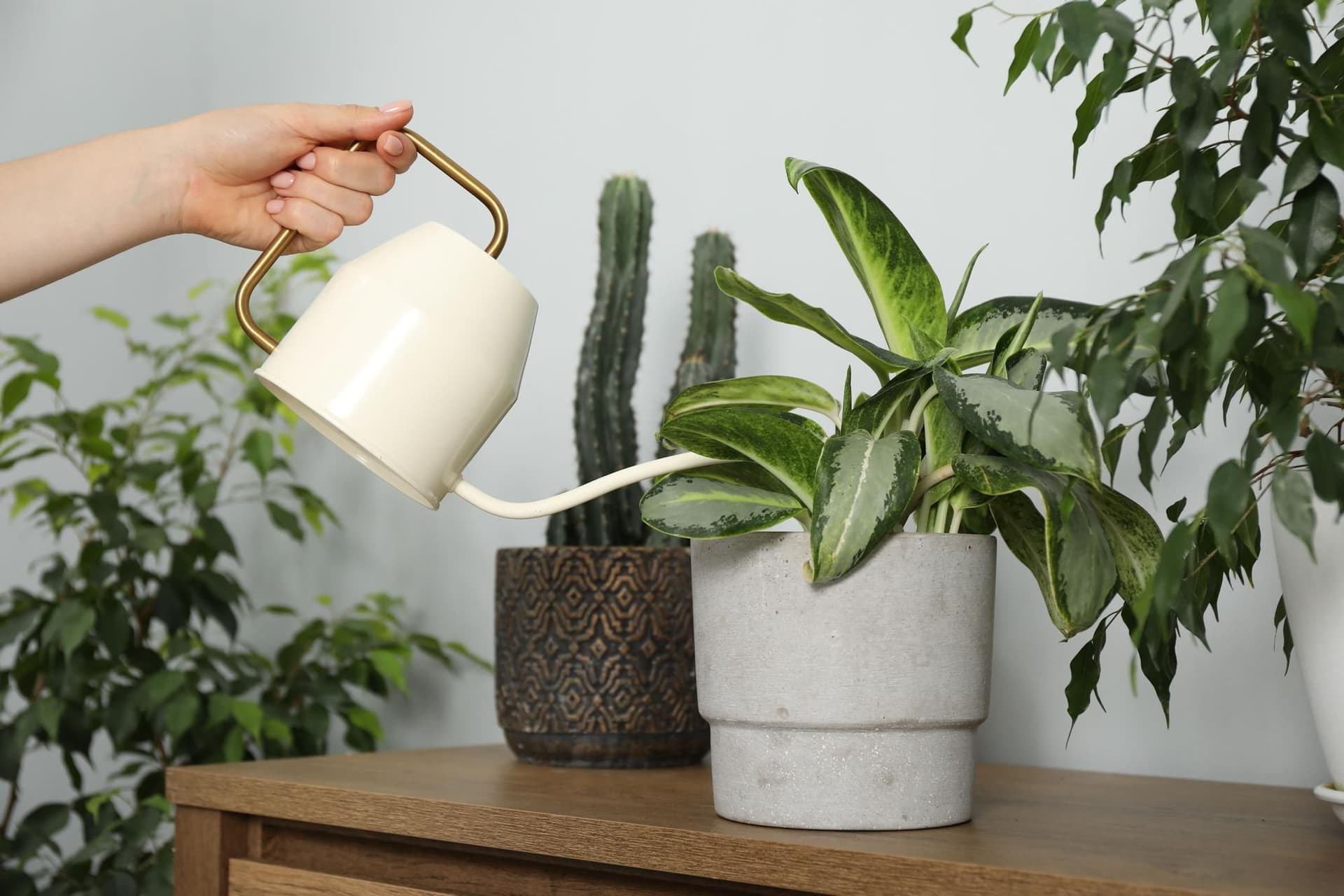
How to Water Houseplants: Watering Guide
Learn how often to water indoor plants, key factors for proper watering, and how to adjust the care routine by plant type, season, pot size, light, and indoor conditions.
Plant Care


Asplenium australasicum grows best in a loose, organic-rich mix with steady moisture, good airflow, and a slightly acidic to near-neutral pH.

Soil Texture
Loamy, Peaty, Organic-rich

Soil pH
Acidic (5.5–6.5), Slightly acidic (6.5–7.0)

Soil Drainage
Moist but well-drained
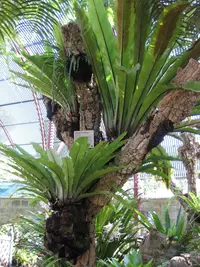
Native to eastern Australia and nearby Pacific islands, Asplenium australasicum grows in warm, humid forests, often perched on trees or settled in pockets of leaf litter. That habitat explains its need for a loose, organic-rich substrate that stays evenly moist without becoming stagnant.
Its roots are relatively fine and benefit from air around them, so the best soil for Bird's nest fern feels open and loamy rather than dense. A slightly acidic to near-neutral substrate suits steady root function, while peat-like organic matter helps hold moisture gently between waterings.
A custom mix helps balance moisture retention with airflow better than many standard houseplant blends for Asplenium australasicum.
The finished mix should feel soft, springy, and airy, holding light moisture while excess water moves through without leaving it heavy.
A good target range is 5.5–7.0 pH. This species prefers mildly acidic to near-neutral soil, where key nutrients remain more available to the roots over time.
Bird's nest fern is usually comfortable within that span, but strongly alkaline soil can gradually reduce nutrient uptake. Keeping pH in this range supports steadier access to elements needed for healthy growth.
This fern can decline in stale, compacted media, especially when roots stay crowded in airless conditions. Soil may be one factor to check when growth slows.
Dense soil that stays heavy can limit root airflow; gently loosen the surface and plan to refresh the potting medium if it no longer opens up after watering.
A mix that remains wet for long periods may stress roots; check drainage and let excess water leave the container fully after each watering.
If dry soil shrinks from the pot edge and water runs through fast, rehydrate it slowly and evenly until the root zone absorbs moisture again.
White crust on the soil surface can interfere with root function in Asplenium australasicum; flush the pot thoroughly and remove the top layer if deposits are thick.

Plant Soil Guide
Find the right soil mix for your plant and support healthier root growth
Botan helps match this plant to a more suitable growing medium so soil decisions are based on the plant in front of you.
Yes. Drainage holes help excess water leave the container, which lowers the risk of stale, saturated conditions around the roots and makes moisture levels easier to manage in Bird's nest fern soil.
If a plant looks off, Botan can help assess whether the growing medium could be part of the issue from a photo.

7 min read · 24 Aug 2026
Learn how often to water indoor plants, key factors for proper watering, and how to adjust the care routine by plant type, season, pot size, light, and indoor conditions.
8 min read · 6 Oct 2026
Choosing the landscape tree depends on what your garden needs most. These 12 options include compact flowering specimens, colorful deciduous trees, shade varieties, and evergreens suitable for screening and year-round structure.
7 min read · 11 Aug 2026
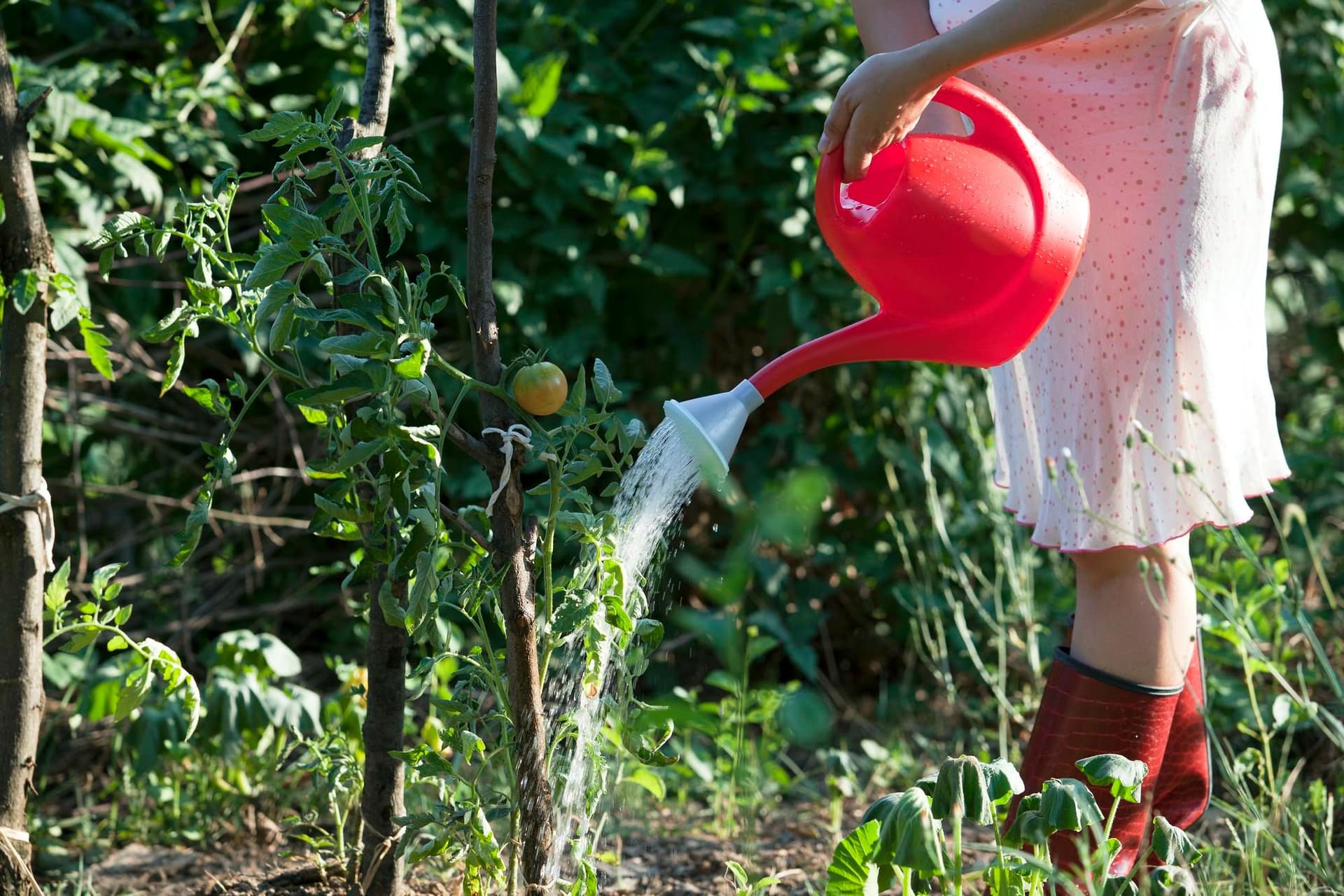
Irrigation needs change as roots establish and weather shifts. This guide gives practical starting intervals, explains how soil and tree type change them, and shows how to recognize both excess moisture and drought stress.