


Best Soil for red maple (Acer rubrum)

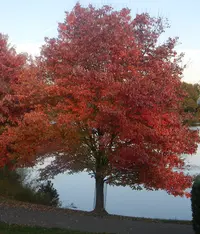
Acer rubrum grows best in soil with balanced moisture, good drainage, and an acidic reaction that supports steady root development.

Soil Texture

Loamy, Sandy, Clay

Soil pH

Strongly acidic (4.5–5.5), Acidic (5.5–6.5)

Soil Drainage

Moist but well-drained

Acer rubrum Soil Guide

Native to eastern North America, Acer rubrum grows in forests, stream edges, and lowlands where soil stays evenly moist but still has air around the roots. That natural setting explains its preference for moisture-retentive soil that does not stay stagnant or compacted.

Loam is often the best soil for red maple, though sandy or clay-based ground can work when it holds moisture without becoming dense and airless. Its root system benefits from acidic soil with steady organic content, which supports water uptake and suits the species’ natural growth pattern.

A simple custom mix can help Acer rubrum balance moisture retention with airflow in a container or planting bed.

100% total mix = 20 scoops
15%
perlite or pumice3 scoops
20%
coarse sand4 scoops
25%
pine bark fines or composted bark5 scoops
40%
loam-based garden soil8 scoops

The finished blend should feel crumbly, slightly substantial, and open enough to drain evenly without turning dense after watering.

Red maple prefers acidic soil, with an ideal range of about 4.5–6.5 pH. Within that range, important nutrients such as iron and manganese stay more available to the roots.

Acer rubrum can handle some variation, but strongly alkaline soil may limit nutrient uptake over time even when the soil otherwise looks suitable.

Soil issues often develop gradually and may be worth checking when growth seems less vigorous than expected.

Compaction:

Dense soil can reduce air around the roots and slow establishment, so loosen the surface gently and improve structure with coarse organic matter if needed.

Standing moisture:

Water that lingers for long periods may stress red maple roots, so check drainage after rain or watering and redirect excess water away from the root zone.

Dry pockets:

If the root area sheds water or dries unevenly, moisten the soil slowly and work on restoring even contact through the full planting area.

Alkaline buildup:

High-pH conditions can gradually limit nutrient access, so test the soil first and adjust only after confirming the reading.

Scan. Match. Grow.

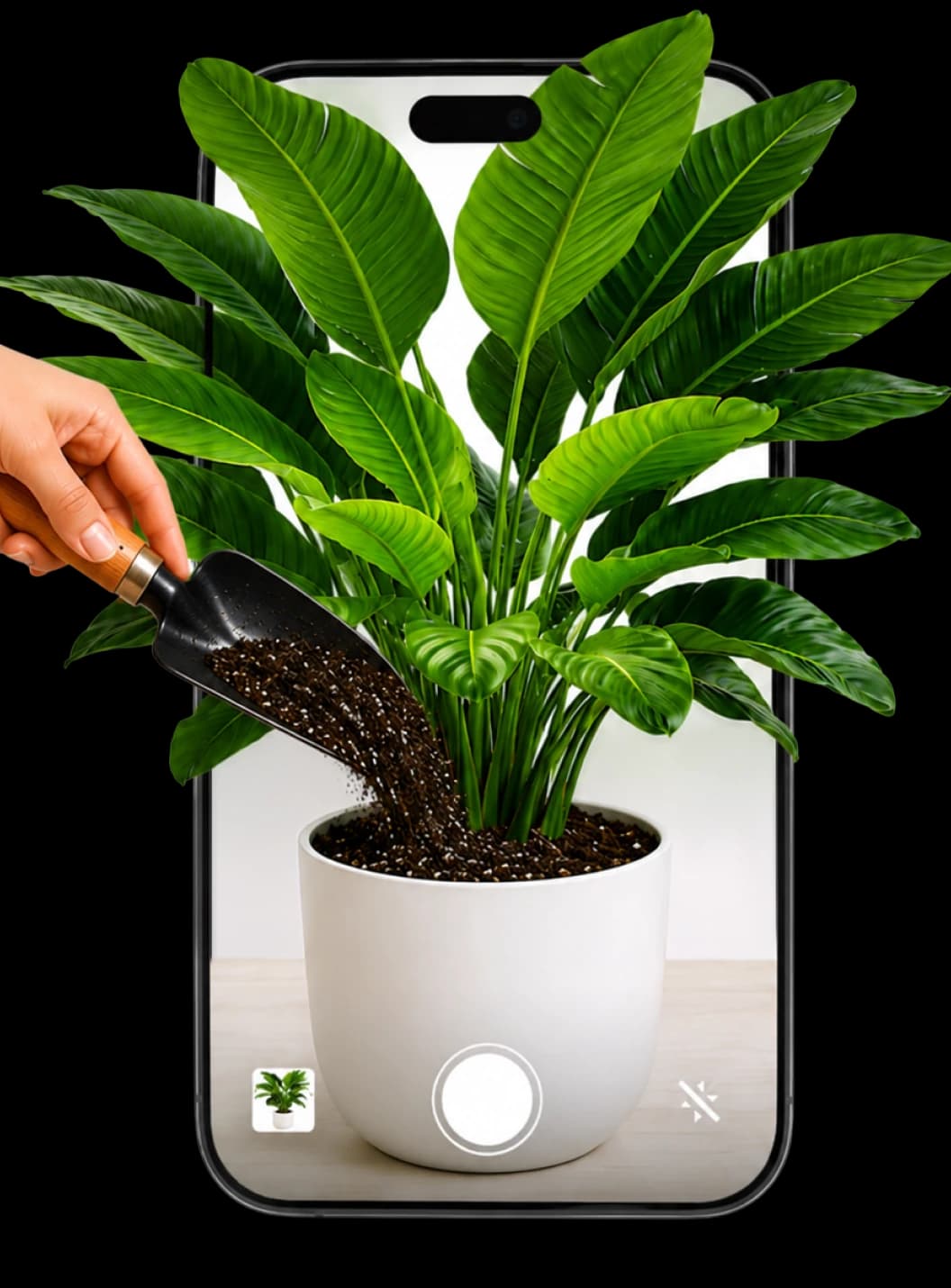
Botan helps match the plant and guides a more suitable soil choice based on how this species prefers to root and establish.

FAQ

Yes. A deeper pot helps support a broader root run and steadier moisture from top to bottom. It also reduces quick surface drying that can make container soil harder to manage.

More Plant Soil Guides

Scan for Soil Problems

Use Botan’s photo-based assessment to check whether a visible issue could be linked to soil conditions worth reviewing.

Botan app helping with soil and plant care
How Often to Water Fruit Trees

7 min read · 11 Aug 2026

How Often to Water Fruit Trees

Irrigation needs change as roots establish and weather shifts. This guide gives practical starting intervals, explains how soil and tree type change them, and shows how to recognize both excess moisture and drought stress.

Plant Care

How Often to Water Fruit Trees
Best Bedroom Plants – Top 10 to Grow in Your Space

8 min read · 8 Jul 2026

Best Bedroom Plants – Top 10 to Grow in Your Space

Discover the top 10 houseplants that are suitable for growing in your bedroom. Compare their light and water needs, pet safety, and benefits. Find out where best to place greenery in your relaxation space and what species to avoid.

Plant Recommendations
Best Bedroom Plants – Top 10 to Grow in Your Space
Best Fertilizer for Grass in Summer: How to Choose the Right One

6 min read · 18 Aug 2026

Best Fertilizer for Grass in Summer: How to Choose the Right One

The right fertilizer in summer can make a lawn thrive. The wrong one can damage it. Here, you’ll learn the best NPK ratios by grass type, when and how to apply your formula, and how to recognize the signs of over- or under-fertilizing.

Plant Care
Best Fertilizer for Grass in Summer: How to Choose the Right One