


red maple (Acer rubrum) Light Needs

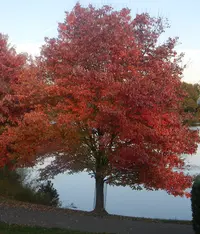
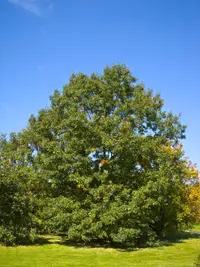
red maple grows best in full sun, with partial sun tolerated where summers are hot or sites are exposed.

Light Preference

Full Sun

Acer rubrum Light Requirements

In its native range across eastern and central North America, red maple grows in wet woods, floodplains, forest edges, and upland sites. Young trees may start with partial shade, but many mature in openings where they receive long periods of direct sun.

This broad habitat range explains its tolerance of partial sun in cultivation, especially with consistent space and exposure. Preferred light is full sun.

  • Ideal exposure:

    red maple needs about 6–8 hours of full sun daily, including at least 6 hours of direct sun when possible.

  • Full sun:

    Established trees tolerate all-day sun in temperate climates when roots have room and soil is not extremely dry.

  • Partial sun:

    Four–6 hours of direct sun can support growth, but the canopy may be less dense.

  • Afternoon heat:

    In hot, exposed sites, morning sun with light afternoon shade reduces leaf scorch risk.

  • Deep shade:

    Deep shade is not suitable and commonly leads to thin, stretched growth.

Strong sun is usually tolerated, but sudden exposure can stress young or recently moved trees.

Papery patches:

Tan, dry areas may appear on leaves that suddenly receive stronger direct sun.

Scorched margins:

Leaf edges can turn brown and crisp on the hottest, most exposed parts of the canopy.

Sun-facing damage:

Injury is often strongest on upper or southwest-facing leaves after bright, hot afternoons.

Midday curling:

Leaves may curl or cup during intense sun, especially on young trees in exposed sites.

Add temporary shade cloth for newly planted trees during harsh afternoon sun. If the tree is in a container, shift it to morning sun and increase exposure gradually.

Low light usually shows as weak structure rather than sudden damage. Acer rubrum is not suited to deep shade.

  • Sparse canopy:

    Branches may carry fewer leaves, and the crown can look thin during the active growing season.

  • Stretching shoots:

    New shoots may grow longer between leaf clusters as the tree reaches toward stronger light.

  • Leaning growth:

    A young tree may angle toward the brightest open side instead of growing evenly upright.

  • Small new leaves:

    New leaves may be smaller than expected when shade limits the energy available for growth.

  • Muted fall color:

    Fall color may be less vivid in shaded sites, though weather and overall health also affect color.

Choose a sunnier planting site or reduce overhead shade before the tree becomes established. Aim for several hours of direct sun each day.

Select the brightest open area available, aiming for 4–6 hours of direct morning or midday sun if full sun is not possible.

Thin overhead cover or choose a more open planting spot before installation to improve long-term exposure as the canopy expands.

Avoid narrow, enclosed sites that stay shaded most of the day; they do not meet Acer rubrum light needs.

Get Personalized Care Plan

Scan your plant to receive care tips personalized for your specific plant

FAQ

The best light is full sun, with about 6–8 hours of direct exposure daily. The red maple light requirements are still met in partial sun, but growth may be less dense.

More Plant Light Guides

Get the Botan App

Discover how to care for your plants with Botan.

Botan app identifying a plant with a phone camera
Best Time to Water Grass in Summer – Lawn Watering Tips

5 min read · 21 Jul 2026

Best Time to Water Grass in Summer – Lawn Watering Tips

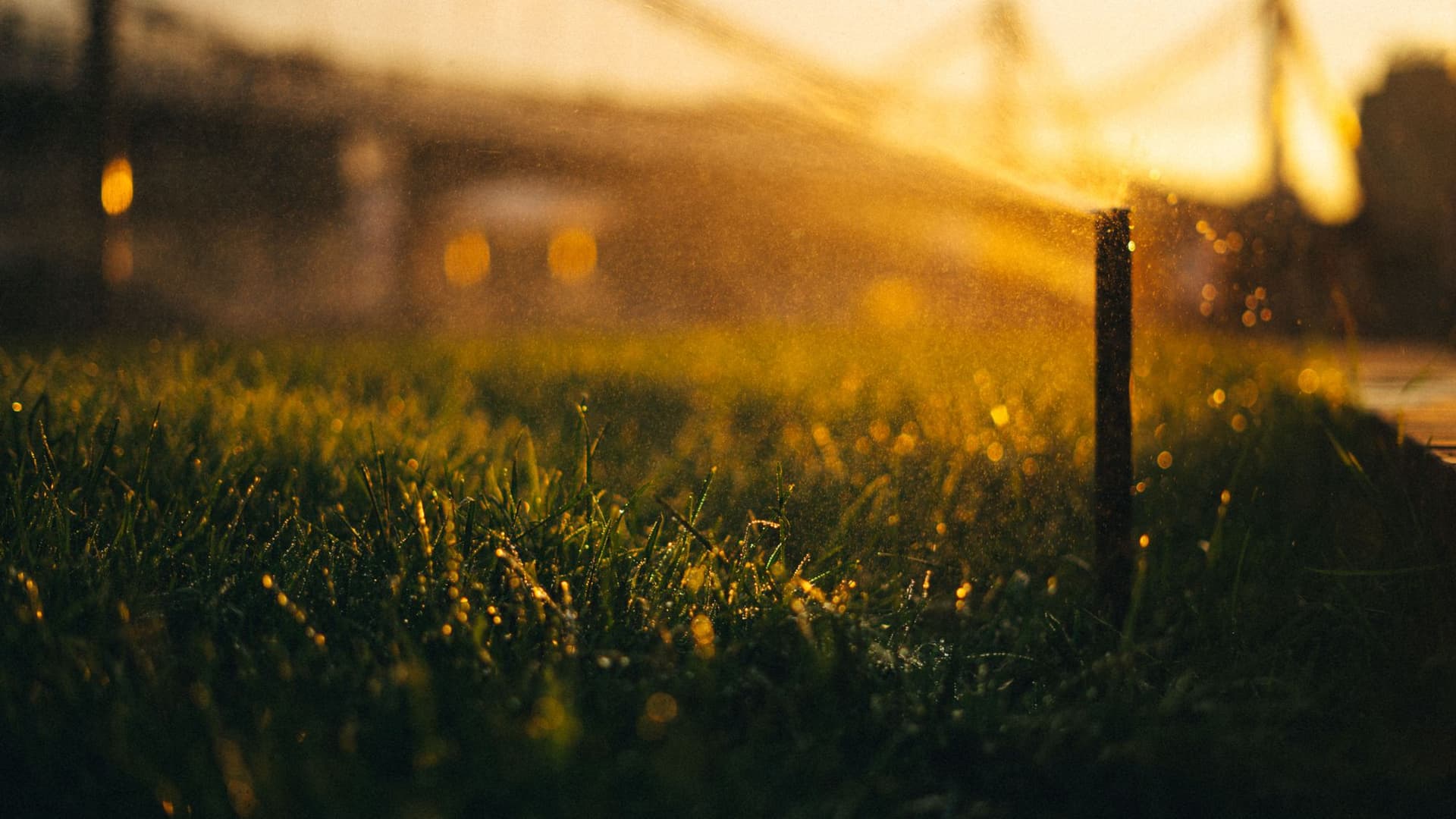
Summer watering is easy to get wrong. This guide explains when to turn on your sprinkler, how much liquid your grass needs each week, and how to tell if you're overwatering or underwatering.

Plant Care
Best Time to Water Grass in Summer – Lawn Watering Tips
12 Best Landscaping Trees for Your Garden

8 min read · 6 Oct 2026

12 Best Landscaping Trees for Your Garden

Choosing the landscape tree depends on what your garden needs most. These 12 options include compact flowering specimens, colorful deciduous trees, shade varieties, and evergreens suitable for screening and year-round structure.

Plant Recommendations
12 Best Landscaping Trees for Your Garden
How to Bottom Water Plants: Complete Guide

6 min read · 13 Jul 2026

How to Bottom Water Plants: Complete Guide

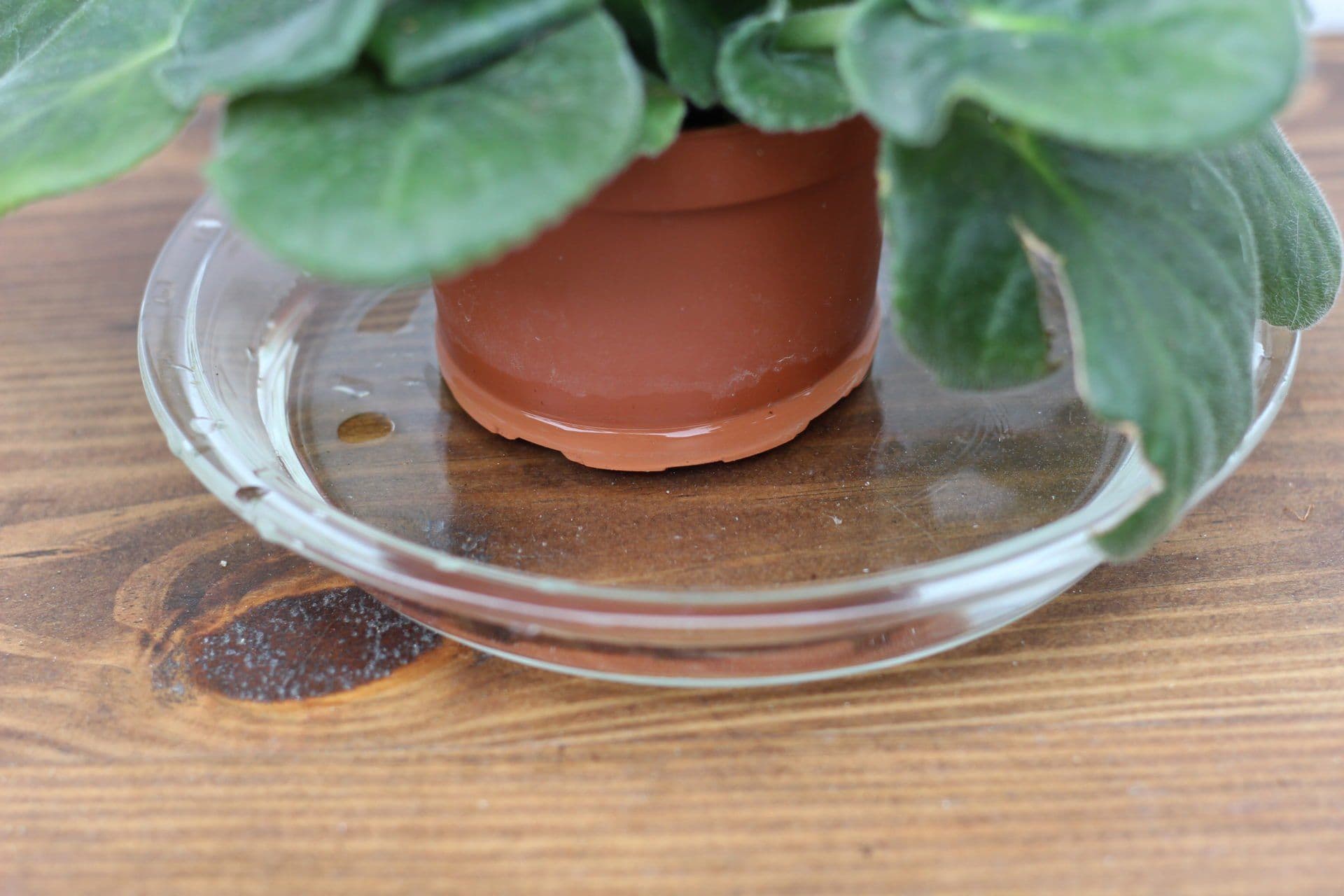
Bottom watering helps soil absorb moisture evenly and keeps foliage dry, reducing the risk of missed dry spots or root problems. Place the pot in a tray of water for a short time, then let it drain well.

Plant Care
How to Bottom Water Plants: Complete Guide