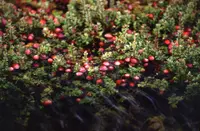


cranberry (Vaccinium macrocarpon) Light Needs

cranberry grows best in full sun, with long daily exposure supporting strong growth, flowering, and fruiting.

Light Preference

Full Sun

Vaccinium macrocarpon Light Requirements

Vaccinium macrocarpon is native to acidic bogs, wetlands, and open sandy areas of eastern and northern North America. These habitats are usually exposed, with low vegetation and little overhead shade, so plants receive long periods of direct sun during the growing season. Cultivated plants in gardens or containers perform best when those open conditions are matched. Preferred light is full sun.

  • Ideal exposure:

    cranberry needs about 6–8 hours of full sun daily, with at least 6 hours of direct sun for best flowering and fruiting.

  • Direct sun:

    Established plants tolerate full sun well, especially in open sites with good air movement.

  • Partial sun:

    4–6 hours of direct sun is tolerated, but growth, bloom, and fruit production may be reduced.

  • Risky shade:

    Shade or only bright indirect light is too weak for reliable performance.

Full sun is suitable, but stress can appear after sudden exposure or during hot, reflective conditions.

Bleached patches:

Pale tan or whitish areas on exposed leaves can indicate sunscald, especially after a plant was moved from softer light.

Bronzed foliage:

A reddish or bronzed cast may be normal seasonally, but uneven bronzing on the sunniest side suggests light stress.

Crisp exposed tips:

Dry, brittle tips on the most exposed growth can follow intense afternoon sun and heat.

Stalled new growth:

New shoots may stay short when strong sun is paired with excessive heat around containers or pavement.

Move the plant out of reflected heat and reintroduce stronger sun over 7–10 days. In very hot sites, provide light afternoon filtering while keeping morning sun.

Low light limits flowering and fruiting before the plant looks severely stressed. Growth changes are usually gradual.

  • Long weak runners:

    Runners may stretch with wider spacing between leaves as the plant reaches toward brighter exposure.

  • Sparse uprights:

    Upright shoots may be fewer or weaker, which reduces the sites that can carry flowers.

  • Few flowers:

    Bloom and fruit set often decline when daily direct sun is too short.

  • Small new leaves:

    New leaves may be smaller and paler than growth produced in brighter conditions.

  • Slow active growth:

    During the growing season, the plant may remain thin even when temperatures are suitable.

Shift it to a more open position with several hours of direct sun. Increase exposure gradually if it has been shaded for a long period.

If ideal full sun is not available, choose the brightest open location and prioritize morning through early afternoon sun. Avoid accepting deep shade as a long-term compromise because flowering and fruiting will usually decline.

Remove or reposition objects that cast midday shade, and rotate container-grown plants every 1–2 weeks so all sides receive direct light.

A covered porch or dense overhang is unsuitable because it blocks the direct sun this species needs.

Get Personalized Care Plan

Scan your plant to receive care tips personalized for your specific plant

FAQ

The best light for cranberry is full sun, with long direct exposure through the growing season. Partial sun is tolerated, but flowering and fruiting are usually weaker.

More Plant Light Guides

Get the Botan App

Discover how to care for your plants with Botan.

Botan app identifying a plant with a phone camera
How Often to Water Fruit Trees

7 min read · 11 Aug 2026

How Often to Water Fruit Trees

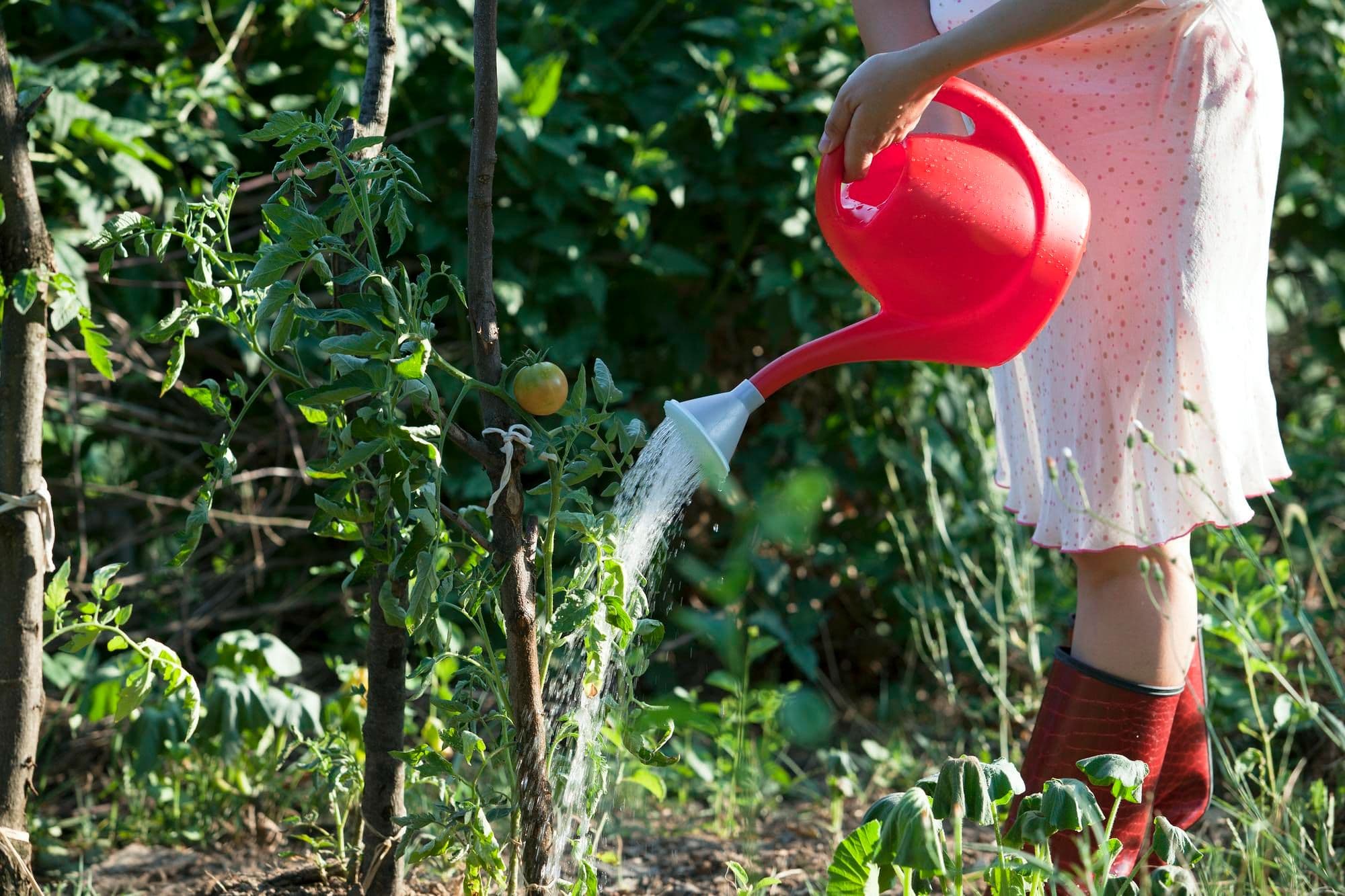
Irrigation needs change as roots establish and weather shifts. This guide gives practical starting intervals, explains how soil and tree type change them, and shows how to recognize both excess moisture and drought stress.

Plant Care
How Often to Water Fruit Trees
How to Use a Moisture Meter for Plants

5 min read · 4 Sept 2026

How to Use a Moisture Meter for Plants

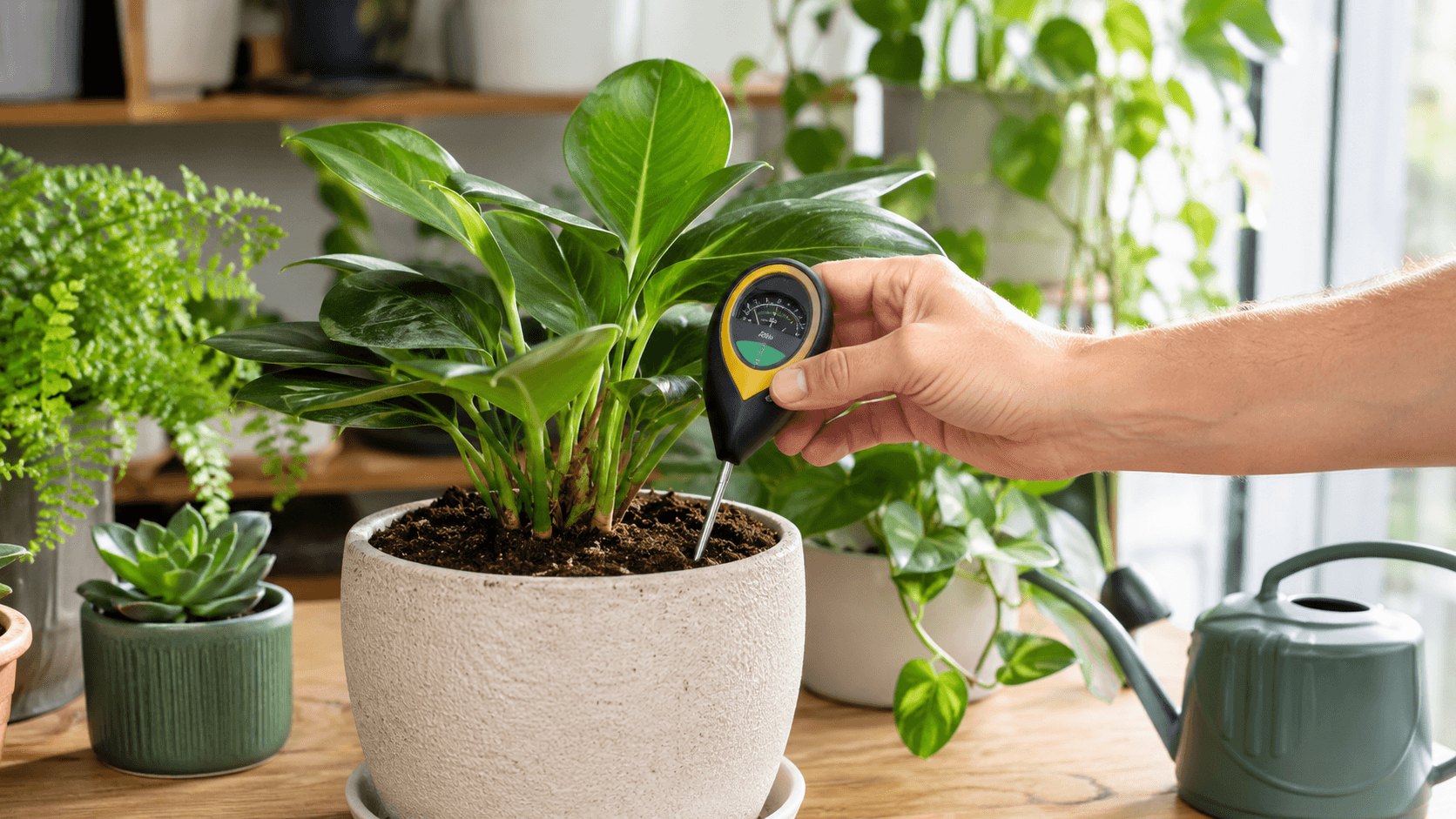
Watering by feel kills plenty of houseplants. A moisture meter checks the soil for you, and takes the guesswork out of it. This guide will show you how to use it correctly, from the first touch to the final reading.

Beginner Guides
How to Use a Moisture Meter for Plants
12 Most Wanted Rare Houseplants to Grow at Home

6 min read · 21 Sept 2026

12 Most Wanted Rare Houseplants to Grow at Home

Rare houseplants can turn an ordinary corner in your apartment into a living botanical collection. This guide covers 12 most admired picks, what makes them special, and how to grow them successfully at home.

Plant Recommendations
12 Most Wanted Rare Houseplants to Grow at Home