


broccoli (Brassica oleracea) Light Needs

broccoli grows best in full sun, with about 6–8 hours of direct light each day.

Light Preference

Full Sun

Brassica oleracea Light Requirements

Wild Brassica oleracea is associated with open coastal cliffs and rocky places in western and southern Europe, where plants receive strong sun, wind, and little overhead shade. Cultivated broccoli was selected from this sun-adapted species for cool-season garden production. Cool temperatures support quality, but shade does not replace strong light for leaf growth and head formation. Preferred light is full sun.

  • Ideal exposure:

    broccoli needs about 6–8 hours of full sun daily, with at least 6 hours of direct sun for strong growth and head formation.

  • Full sun tolerance:

    Established plants tolerate direct sun well, especially in cool weather and evenly bright garden beds.

  • Part sun limit:

    Part sun can work if it still provides 4–6 hours of direct light, but growth may be slower and heads smaller.

  • Afternoon heat:

    In warm spells, intense late-day sun can add stress, so morning-to-midday exposure is the safer pattern.

Strong sun is most often a problem during hot weather or after sudden exposure, even for this full-sun crop.

Bleached patches:

Upper leaves may develop pale tan, papery areas where harsh sun hits most directly.

Midday collapse:

Leaves may wilt or curl during intense afternoon light, then look firmer after temperatures fall.

Stressed heads:

Developing heads may stay small or open unevenly when bright exposure is paired with heat.

Surface scorch:

Outer leaves can look dull, gray-green, or leathery on the most exposed side.

Shift young plants into brighter conditions gradually, and use light afternoon shade during hot spells. Keep the plant in full morning sun where possible. Remove temporary shade after the heat passes.

Low light usually shows as weak structure before severe decline. It is not a shade-tolerant crop.

  • Stretched stems:

    Main stems may lengthen and look thin as the plant reaches toward stronger light.

  • Leaning growth:

    A container-grown plant may lean noticeably toward the brightest side instead of staying balanced.

  • Smaller leaves:

    New leaves may be smaller and less sturdy because low light limits energy production.

  • Poor head formation:

    Heads may form late, stay loose, or remain undersized when the plant grows in shade.

Move it to a site with at least 6 hours of direct sun. Increase exposure over several days if it was grown in shade.

If a site cannot provide all-day sun, choose the brightest spot that gets direct morning sun for at least 4–6 hours. Avoid placing containers where buildings or fences shade the plant through midday.

Rotate containers weekly if light comes from one side, and thin nearby growth or move obstacles that cast shade over the crown.

Deep shade is unsuitable because it produces weak growth and poor head development.

Get Personalized Care Plan

Scan your plant to receive care tips personalized for your specific plant

FAQ

This plant does best with 6–8 hours of direct sun daily. A minimum of about 6 hours supports stronger leaves and better head formation than part-day shade.

More Plant Light Guides

Get the Botan App

Discover how to care for your plants with Botan.

Botan app identifying a plant with a phone camera
What Plants Don't Like Epsom Salt?

11 min read · 29 Jul 2026

What Plants Don't Like Epsom Salt?

Learn which plants can be seriously damaged by Epsom salt and which will thrive on it. We’ll explain when and how to use it properly, provide tips for indoor & outdoor plants — read on and enjoy a healthy garden.

Plant Care
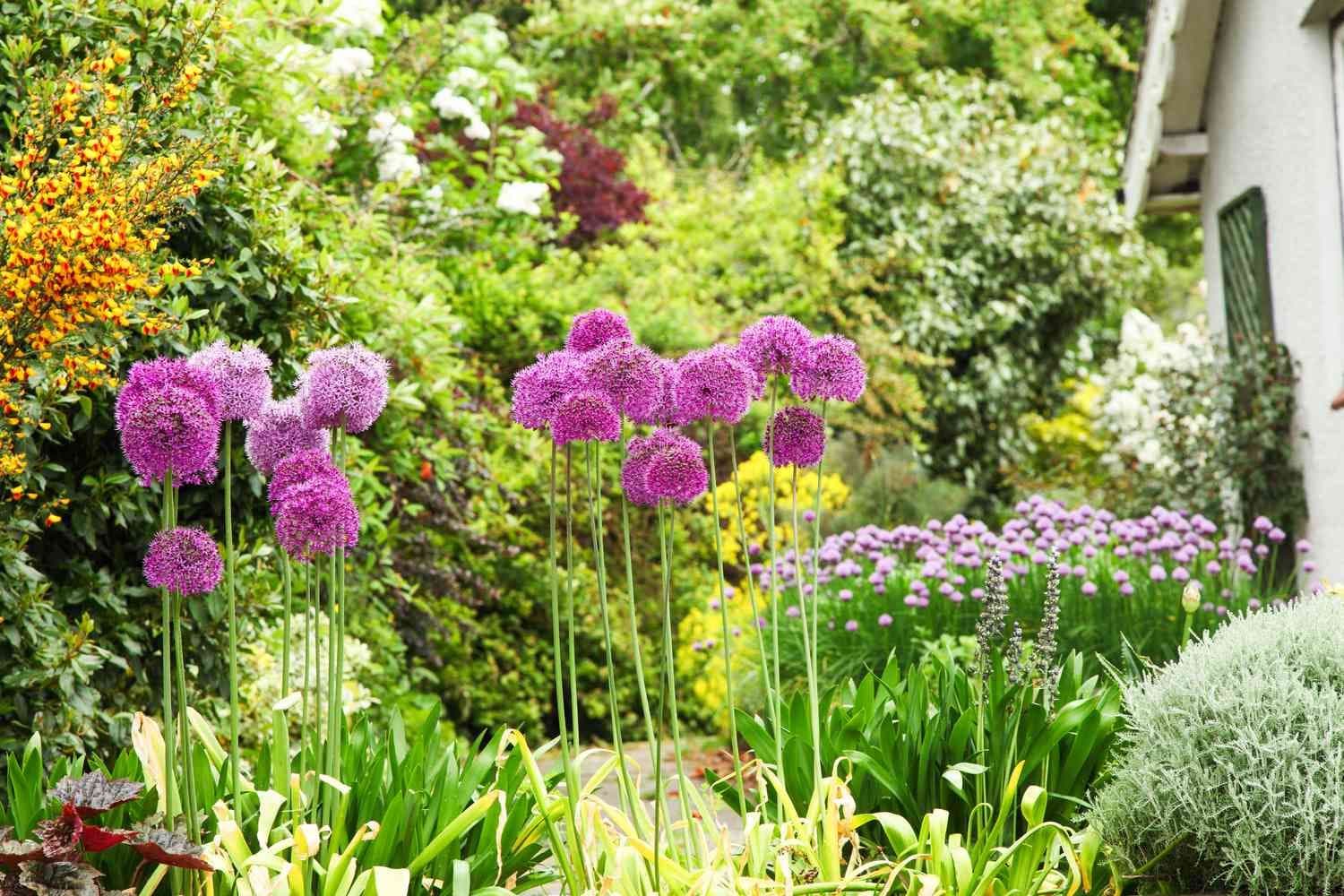
What Plants Don't Like Epsom Salt?
Plants That Repel Bugs – 20 Effective Options

12 min read · 16 Jul 2026

Plants That Repel Bugs – 20 Effective Options

Mosquitoes on the patio? Gnats in the kitchen? Some plants keep them away with the scent of their own leaves. Here are 20 that deal with mosquitoes, flies, aphids, and more, plus where to put them so they help.

Plant Recommendations
Plants That Repel Bugs – 20 Effective Options
How to Group Plants in Landscaping: A Practical Layout Guide

8 min read · 31 Aug 2026

How to Group Plants in Landscaping: A Practical Layout Guide

Good plant grouping can mean the difference between a well-planned garden and one that looks sloppy. This guide explores layers, spacing, cluster shapes, and the plants that thrive when you group them.

Plant Care
How to Group Plants in Landscaping: A Practical Layout Guide