Shallow, fibrous roots
Brassica oleracea develops a shallow but dense fibrous root system that concentrates in the topsoil, so it depends on consistent surface moisture rather than deep, infrequent watering for steady growth and head formation.

This page explains when, how often, and how much to water Brassica oleracea for steady, healthy growth.

Water Requirements
Regular Water
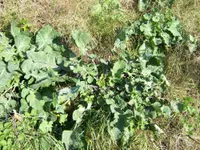
Garden-grown cabbage relatives thrive where soil stays evenly moist but not soggy, reflecting their temperate, rainfall-fed origins. Brassica oleracea, including broccoli, prefers steady moisture around the root zone rather than repeated drying.
Think of watering broccoli as maintaining gentle, consistent dampness in the soil surface. In-ground plants usually hold moisture longer than container-grown ones, so pots may need relatively closer attention without strict schedules.
For Brassica oleracea grown as broccoli, water when the top 1–2 inches (3–5 cm) of soil feel dry and loose. In cool, mild conditions this is typically every 2–4 days, but hot, windy weather or sandy soil can shorten the interval, especially for plants in smaller containers or raised beds.
Water broccoli when the top 1-2 inches (3-5 cm) of soil feel dry, keeping moisture steady but not saturated.
Incorrect moisture levels can disrupt Brassica oleracea growth and trigger several avoidable physiological problems.
Older leaves turn pale yellow then drop when soil stays wet, limiting root oxygen and nutrient uptake.
Plants collapse despite damp soil because roots suffocate or rot from prolonged waterlogging and compaction.
Small, loose heads develop when inconsistent watering stresses plants during rapid vegetative and bud growth.
Brown, papery edges form inside heads when erratic moisture restricts calcium movement into rapidly growing tissue.
Keep soil consistently moist but never saturated, using deep, regular watering adjusted to weather and growth stage.
Poor watering habits can weaken Brassica oleracea, reducing head size and flavor and making plants more vulnerable to pests and stress.
Aim for evenly moist, well-drained soil and adapt watering to temperature, rainfall, and plant size for steady broccoli growth.
Watering Advice
Learn when to water your plant and avoid common watering mistakes.
Use Botan for a simple watering guide and care reminders tailored to your Brassica oleracea, plus gentle photo-based checks that help notice potential leaf, pest, or moisture issues early.
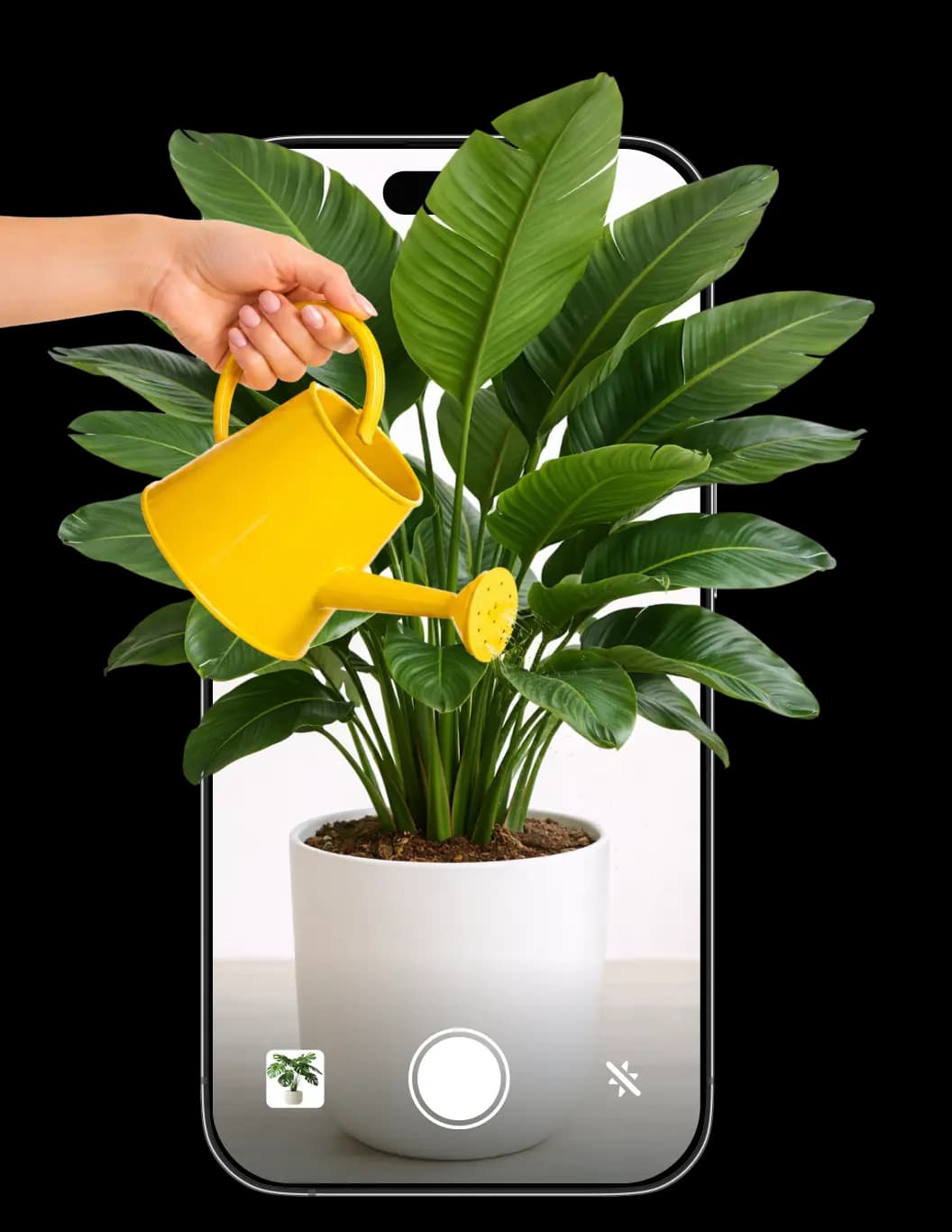
Brassica oleracea develops a shallow but dense fibrous root system that concentrates in the topsoil, so it depends on consistent surface moisture rather than deep, infrequent watering for steady growth and head formation.
Head-forming Brassica oleracea crops like cabbage and broccoli can crack or split if a dry spell is followed by sudden heavy watering or rainfall, because rapid water uptake makes inner tissues expand faster than outer leaf layers.
Slight underwatering is usually safer than chronic overwatering. Constantly soggy soil suffocates roots and promotes rot. Aim for evenly moist soil, never waterlogged, and adjust frequency based on weather, soil type, and container size.
Use Botan to review watering patterns and support healthier moisture habits over time.
7 min read · 6 Aug 2026
Summer seeding succeeds when the grass type suits the season, and the soil stays moist. Find out how to prepare the seedbed and choose a safe window for planting.
6 min read · 4 Aug 2026
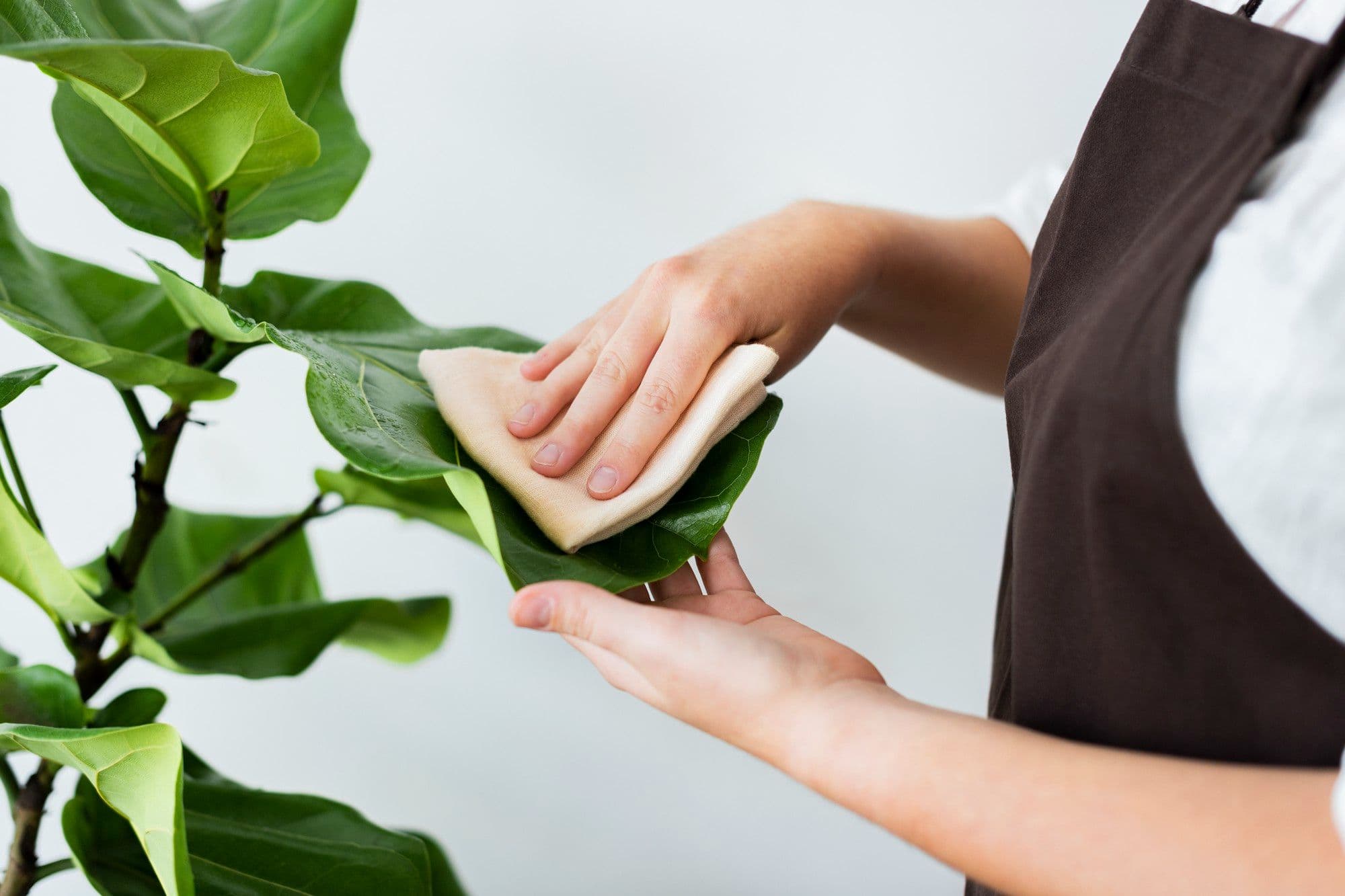
Dusty leaves look dull and don't absorb light well. Below, you'll find simple ways to clean them, which tools are truly effective, how often you should do it, and what causes damage.
7 min read · 13 Aug 2026
Rainwater, filtered, distilled, and tap water affect plants differently. Learn which types support healthy growth and which cause slow damage. Match each to your plants and discover how to easily improve tap water quality.