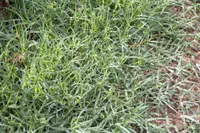

Bermudagrass (Cynodon dactylon) Watering Guide

This page explains when, how often, and how much to water Cynodon dactylon for practical, reliable lawn care.

Water Requirements

Moderate Water

Cynodon dactylon Watering

This warm-season turf thrives where summers are long, hot, and marked by periods of moderate to low rainfall. Cynodon dactylon tolerates dry soil once established, so watering Bermudagrass focuses on deeper, less frequent sessions rather than constant surface dampness.

Lawns grown in the ground typically need less frequent attention than container or patch repairs, which dry faster. Understanding how to water Bermudagrass at this high level sets the stage for more precise guidance in later sections.

In warm weather, established Cynodon dactylon lawns typically need watering about 1–2 times per week, depending on rainfall. Water again when the top 1–2 inches (3–5 cm) of soil feel dry and the grass starts to lose some springiness. Hot, windy conditions can shorten this interval.

Water when the top 1-2 inches (3-5 cm) of soil feel dry, using steady, even soaking to support Bermudagrass roots.

  • Apply water early in the day, using a sprinkler or hose with gentle spray to avoid displacing soil or seed.
  • Irrigate slowly so moisture penetrates 4-6 inches (10-15 cm) deep, encouraging a stronger, deeper root system.
  • Aim water at the soil surface, not the foliage, to reduce extended leaf wetness and encourage efficient absorption.
  • Check different lawn areas for even moisture, then stop watering when soil is thoroughly damp but not forming puddles.

Improper moisture balance may stress Cynodon dactylon and trigger avoidable lawn health problems.

Grayish Wilting Blades:

Leaf blades fade gray-green, curl, and wilt when extended dry periods deplete soil moisture deeply.

Yellow Patches With Mushy Soil:

Soft, waterlogged ground and yellowing turf indicate chronic overwatering and reduced root oxygen availability.

Thin Turf With Exposed Soil:

Sparse, open areas develop where shallow, frequent watering limits deep root growth and resilience.

Localized Dry Spots:

Irregular brown patches form when compacted or hydrophobic soil prevents uniform water penetration across turf.

Promote deep, resilient roots by watering infrequently but thoroughly, adjusting for weather, soil, and season.

Unsuitable watering habits disturb Cynodon dactylon’s balance between drought tolerance and active growth, weakening turf density and resilience over time.

  • Following a fixed schedule: Watering by calendar instead of soil dryness wastes water, so check the top layer and adjust to heat, wind, and rainfall.
  • Using compacted, poorly drained soil: Dense soil keeps crowns wet and stresses drought-adapted roots; improve structure with organic matter and limit heavy traffic when moist.
  • Letting water sit in low spots: Pooling water smothers stolons and shallow roots; regrade problem areas or core-aerate to improve surface drainage.

Aim for deep, occasional watering into well-drained soil, guided by soil dryness and weather rather than rigid routines or standing moisture.

  • Spring: Increase watering as new shoots green up, keeping soil consistently moist but not saturated while roots rebuild after winter slowdown.
  • Summer: Deeply soak less often, focusing on early morning irrigation to support heat-driven growth and reduce stress during hot, dry spells.
  • Fall: Gradually reduce watering as growth slows, allowing the upper soil to dry slightly deeper between irrigations to discourage disease.
  • Winter: In mild climates, water lightly only during extended dry periods; in true dormancy, irrigate sparingly to prevent complete soil drying.

Not Sure When to Water? Botan Knows

Use Botan for a clear watering guide and practical care steps for your Cynodon dactylon, plus gentle photo-based checks that help spot early signs of pests, disease, or stress.

Botan plant care app — identify plants on mobile

Interesting Watering Facts

Deep yet fibrous roots

Cynodon dactylon develops an extensive fibrous root and rhizome network that can reach well below typical lawn depths, allowing it to tap deeper soil moisture and stay green longer than many cool‑season grasses during dry, hot weather.


Dormancy under drought

In strong heat and drought, Cynodon dactylon commonly survives by entering a temporary dormancy, turning brown above ground while its crowns, rhizomes, and stolons remain alive and ready to regrow when regular rainfall or irrigation returns.

High saltwater tolerance

Cynodon dactylon shows relatively high tolerance to saline irrigation and coastal conditions compared with many turf species, so it can remain functional where irrigation water is slightly brackish or soils accumulate more salt from limited flushing rains.

FAQ

Slight underwatering is usually safer. Short periods of dryness cause leaf curl and dull color, but roots survive. Overwatering limits oxygen, encourages fungal disease, and weakens roots, especially in compacted or poorly drained soil.

More Plant Watering Guides

Is Your Watering Routine Hurting Your Bermudagrass?

Botan reviews your watering pattern and flags when moisture levels seem off-balance.

Watering a plant with a copper watering can
12 Best Plants for Bathroom That Thrive in Humid Conditions

9 min read · 29 Sept 2026

12 Best Plants for Bathroom That Thrive in Humid Conditions

Discover the 12 best plants for bathroom spaces. Each pick comes with its own advantages, plus light, humidity, watering, and placement tips. Take a look and match the plant to your specific bathroom.

Plant Recommendations
12 Best Plants for Bathroom That Thrive in Humid Conditions
Best Water for Plants – How to Choose the Right Type

7 min read · 13 Aug 2026

Best Water for Plants – How to Choose the Right Type

Rainwater, filtered, distilled, and tap water affect plants differently. Learn which types support healthy growth and which cause slow damage. Match each to your plants and discover how to easily improve tap water quality.

Plant Care
Best Water for Plants – How to Choose the Right Type
How to Tell if a Plant Is Dead

6 min read · 19 Aug 2026

How to Tell if a Plant Is Dead

A plant can lose its leaves, stop growing, or collapse and still remain alive. A closer look at the stems, roots, bulbs, and tubers can show whether the plant still has a chance to recover.

Beginner Guides
How to Tell if a Plant Is Dead