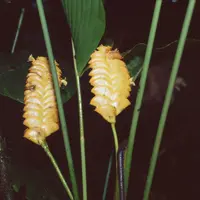


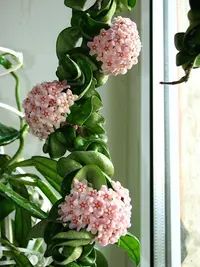
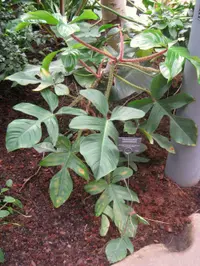

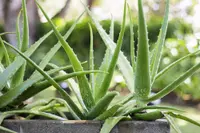

rattlesnake plant (Calathea crotalifera) Light Needs

The rattlesnake plant grows best in bright, indirect or filtered light with only gentle morning sun.

Light Preference

Bright Indirect Light

Calathea crotalifera Light Requirements

In tropical habitats, Calathea crotalifera grows where tall vegetation breaks the sun into shifting patches of light. Leaves may receive brief morning or late-day sun, but they are usually protected from strong overhead exposure by canopy cover and humid, warm conditions.

Cultivated plants respond best when that filtered pattern is copied. Preferred light is bright indirect light with limited gentle direct sun.

  • Ideal exposure:

    Calathea crotalifera needs about 6–8 hours of bright, indirect or filtered light daily, including up to 1–2 hours of gentle direct morning sun.

  • Direct sun limit:

    Strong midday or afternoon sun can scorch the broad leaves, especially through glass or after an abrupt move.

  • Shade tolerance:

    It can handle partial shade, but deep shade often reduces vigor and flowering.

  • Best timing:

    Morning sun is safer than late-day sun because it is cooler and less intense.

Indoors, place this plant where the light is bright but softened before it reaches the leaves.

NConditional
North-facing window:

Use a north-facing window only if the room is bright and unobstructed; growth may be slower.

EBest
East-facing window:

An east-facing window is best because it gives soft morning sun and bright light for much of the day.

SConditional
South-facing window:

A south-facing window can work if the plant sits several feet back or the sun is filtered by a sheer curtain.

WConditional
West-facing window:

A west-facing window needs strong filtering or distance from the glass because afternoon sun can be too intense.

If leaf surfaces receive hard sunbeams for more than a short period, add filtering or move the plant back.

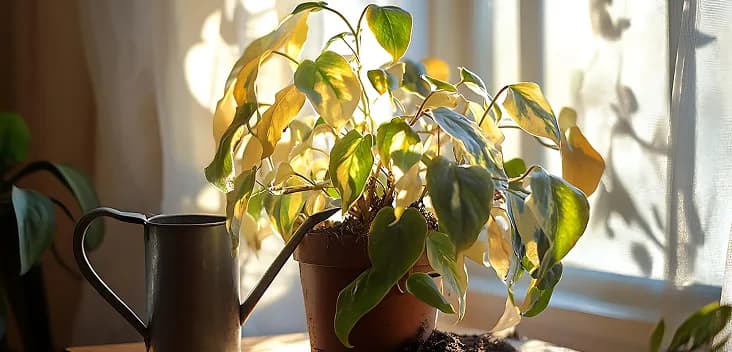
Excess light most often appears on the most exposed leaves first.

Scorched patches:

Pale tan or dry spots may appear where direct sun hits the leaf surface.

Bleached color:

Leaves can look washed out after repeated exposure to strong sun, especially near glass.

Sun-facing curl:

Leaves may curl or fold during the brightest hours when light and heat are too intense.

Crisp exposed areas:

Edges or tips facing the sun may dry faster than shaded parts of the same leaf.

Move Calathea crotalifera out of direct afternoon sun right away. Use filtered light and let damaged areas remain until the leaf naturally declines.

Too little light usually shows as weak, light-seeking growth rather than sudden leaf damage.

  • Leaning growth:

    Stems and leaves may angle strongly toward the brightest side of the room.

  • Wider spacing:

    New growth can look more stretched, with longer gaps between leaves than earlier growth.

  • Smaller leaves:

    Fresh leaves may emerge smaller when light stays weak during the active growing season.

  • Poor flowering:

    Calathea crotalifera may produce fewer showy bracts when it does not receive enough bright filtered light.

Move the plant gradually to a brighter filtered position. Avoid shifting it straight from shade into strong sun.

Choose the brightest spot that does not cast hard sun across the leaves for long periods. If the ideal light is not available, favor bright shade over direct afternoon exposure.

Filter intense rays with a sheer curtain, or move the pot farther from the light source until the sun patch no longer hits the foliage directly. Rotate the pot every 1–2 weeks for even growth.

A dim corner is a poor setup because it limits strong new leaves and reduces flowering potential.

Get Personalized Care Plan

Scan your plant to receive care tips personalized for your specific plant

FAQ

The best light for rattlesnake plant is bright, indirect or filtered light for most of the day. A little soft morning sun is usually fine, but harsh afternoon sun is risky.

Everything About rattlesnake plant

More Plant Light Guides

Get the Botan App

Discover how to care for your plants with Botan.

Botan app identifying a plant with a phone camera
10 Easy Garden Flowers to Grow

8 min read · 10 Sept 2026

10 Easy Garden Flowers to Grow

Discover 10 garden flowers that require minimal care. Learn which characteristics make plants easy to grow and follow tips on how to create a beautiful corner from beginner-friendly blooms on your property.

Beginner Guides

10 Easy Garden Flowers to Grow
20 Most Popular Fruits Around the World

7 min read · 22 Jul 2026

20 Most Popular Fruits Around the World

Curious which fruits the world actually eats the most? Here's the top-20 by production volume, an overview of what people choose in each region, and a few figures that defy common assumptions.

Plant Recommendations
20 Most Popular Fruits Around the World
When to Harvest Carrots: Timing, Signs, and How to Pick Them

6 min read · 23 Oct 2026

When to Harvest Carrots: Timing, Signs, and How to Pick Them

Carrots are usually ready 60-80 days after sowing them in the soil, depending on the variety. Learn how to recognize maturity signs, choose the right harvest season, pull carrots without damaging them, and store roots after picking.

Plant Care
When to Harvest Carrots: Timing, Signs, and How to Pick Them