



7 min read · 24 Aug 2026
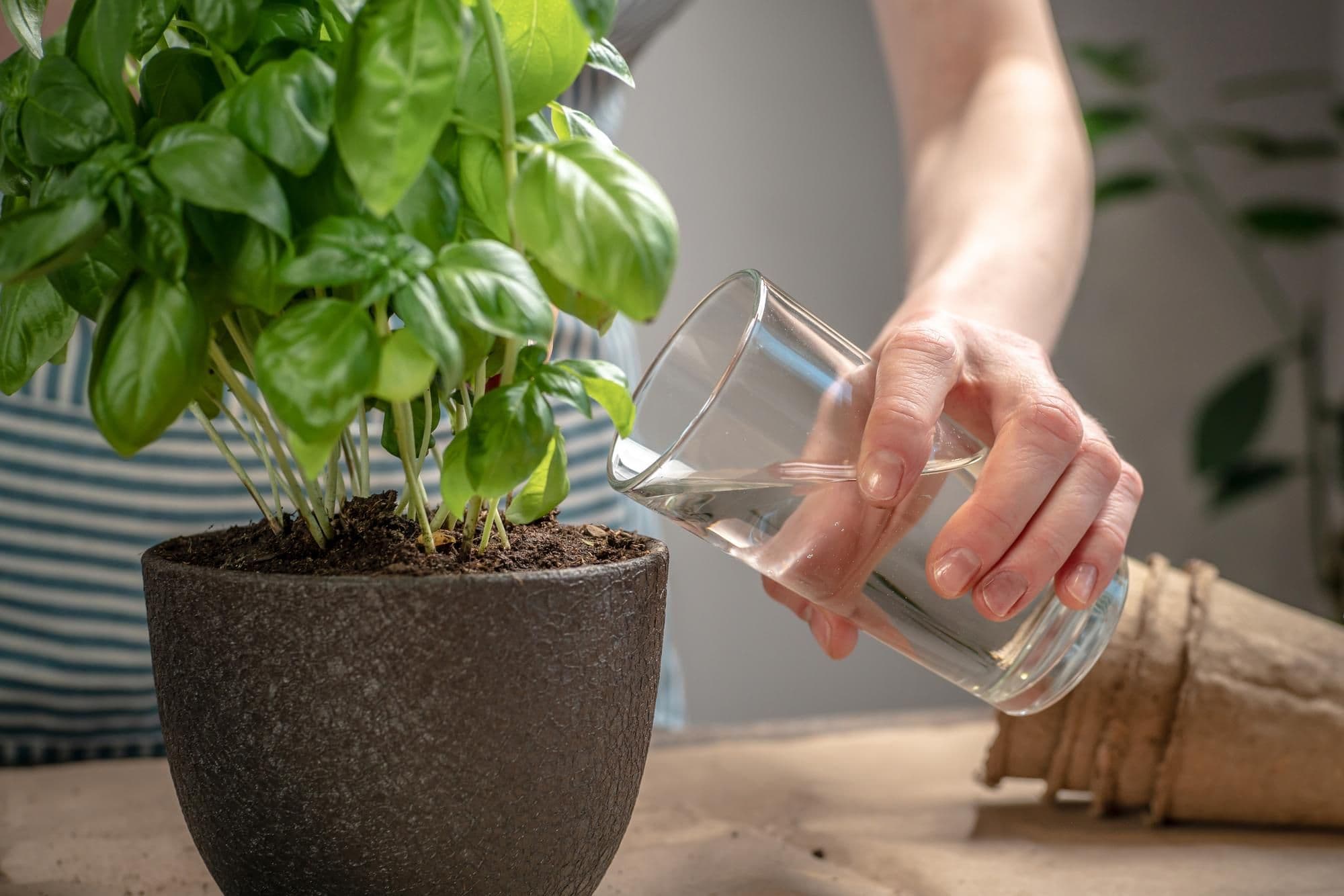
How to Water Houseplants: Watering Guide
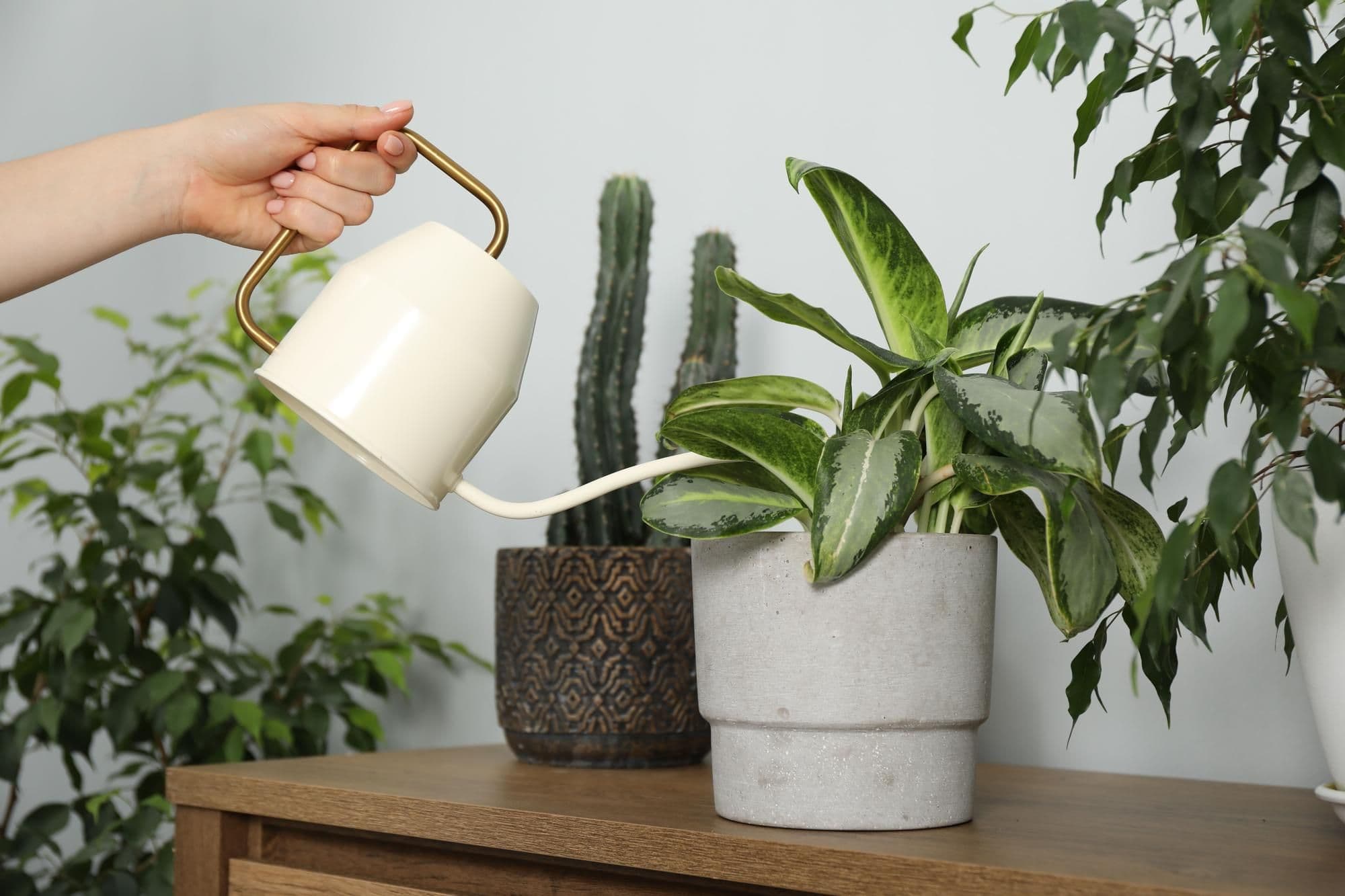
Learn how often to water indoor plants, key factors for proper watering, and how to adjust the care routine by plant type, season, pot size, light, and indoor conditions.
Plant Care

Wax Plant grows best in bright, indirect light with a little gentle morning sun when available.

Light Preference
Bright Indirect Light
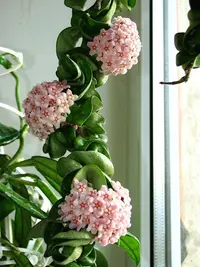
In its natural habitat, Hoya carnosa grows as a climbing or trailing plant in warm, humid forest edges and open woodland. Its stems often scramble through branches where the leaves receive bright, broken light rather than prolonged open sun. This filtered exposure helps explain why cultivated plants handle some soft direct sun but grow best away from harsh midday rays. Preferred light is bright indirect or filtered light.
Hoya carnosa 'Compacta' needs about 6–8 hours of bright, indirect or filtered light daily, including up to 2–3 hours of gentle direct morning sun.
Short morning sun is tolerated, but full midday or afternoon sun can scorch the thick, curled leaves.
Shade is tolerated for survival, but growth becomes slower and flowering is less reliable.
Brighter winter light is usually safe indoors, while summer sun may need filtering.
Indoors, placement should provide bright light while avoiding harsh, prolonged direct sun.
A north-facing window can work only if it is very bright and unobstructed, but growth and flowering may be limited.
An east-facing window is usually best because it gives bright morning sun and gentler light later in the day.
A south-facing window is suitable if the plant sits 2–5 ft back or the direct sun is softened by a sheer curtain.
A west-facing window is conditional because afternoon sun can be intense, so use distance or filtering to prevent leaf marks.
Adjust placement gradually if the plant has been growing in lower light for a long time.
Excess light is most likely after a sudden move into stronger sun.
Leaves facing the glass may develop tan or whitish areas after sudden strong sun.
The uppermost leaves can look washed out when light is too intense for too long.
A red or bronze tint may appear on exposed leaves and should be read with other stress signs.
Tips or raised curls closest to direct sun may dry where rays hit most strongly.
Move the plant out of direct afternoon sun right away or filter the light with a sheer curtain. Keep the brighter placement gentle, then watch new growth for recovery.
Low light usually shows through growth pattern before leaf damage appears.
New stems may grow long and thin with fewer leaves along the vine.
Leaves may appear farther apart than older growth that formed in brighter conditions.
Fresh leaves may stay smaller or develop more slowly during the active growing season.
Hoya carnosa 'Compacta' may produce fewer blooms when light stays weak for months.
Move it closer to a brighter exposure or add stronger filtered light gradually. Improvement is usually seen in new growth, not older stretched sections.
If ideal brightness is not available, choose the brightest room without harsh afternoon rays and place the pot within a few feet of the light source.
Rotate the pot every 2–4 weeks so the twisted vines receive light more evenly and do not lean strongly in one direction.
Avoid a dark shelf far from windows because it usually supports survival, not steady growth or reliable flowering.
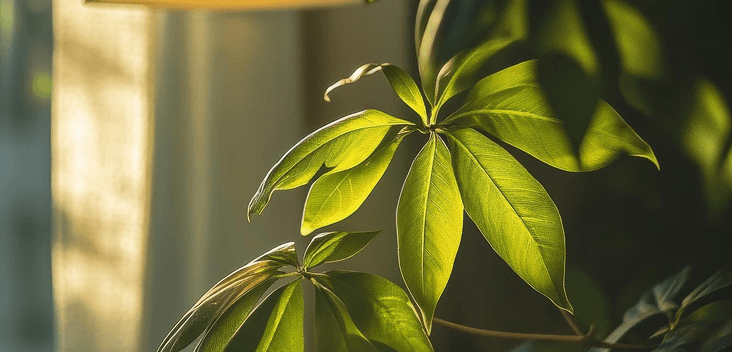
Plant Light Guide
Find the ideal light conditions for your plant and support healthy growth
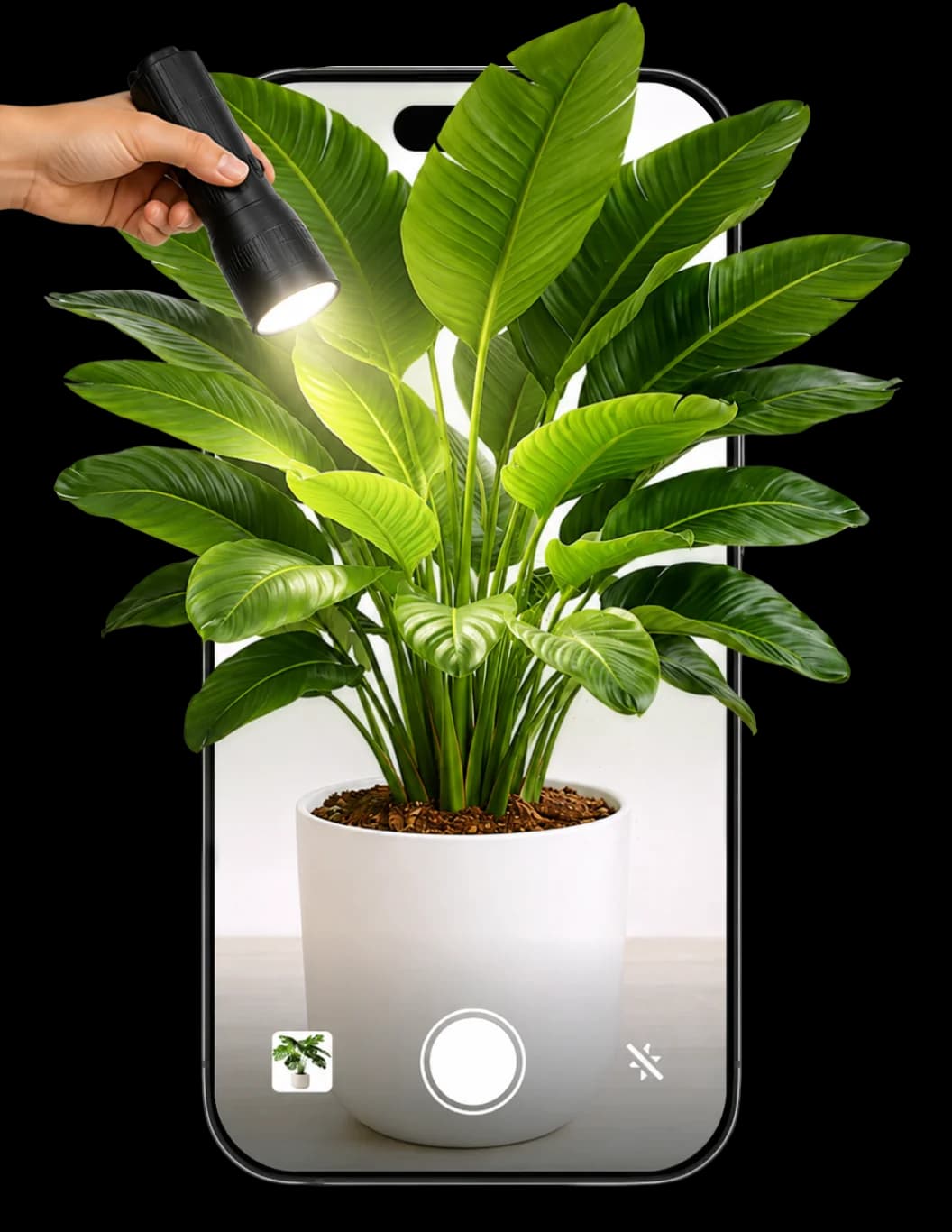
Scan your plant to receive care tips personalized for your specific plant
The best light for Wax Plant is bright, indirect light for most of the day. A small amount of gentle morning sun can support stronger growth and flowering without risking scorch.
Discover how to care for your plants with Botan.
7 min read · 24 Aug 2026
Learn how often to water indoor plants, key factors for proper watering, and how to adjust the care routine by plant type, season, pot size, light, and indoor conditions.
5 min read · 4 Sept 2026
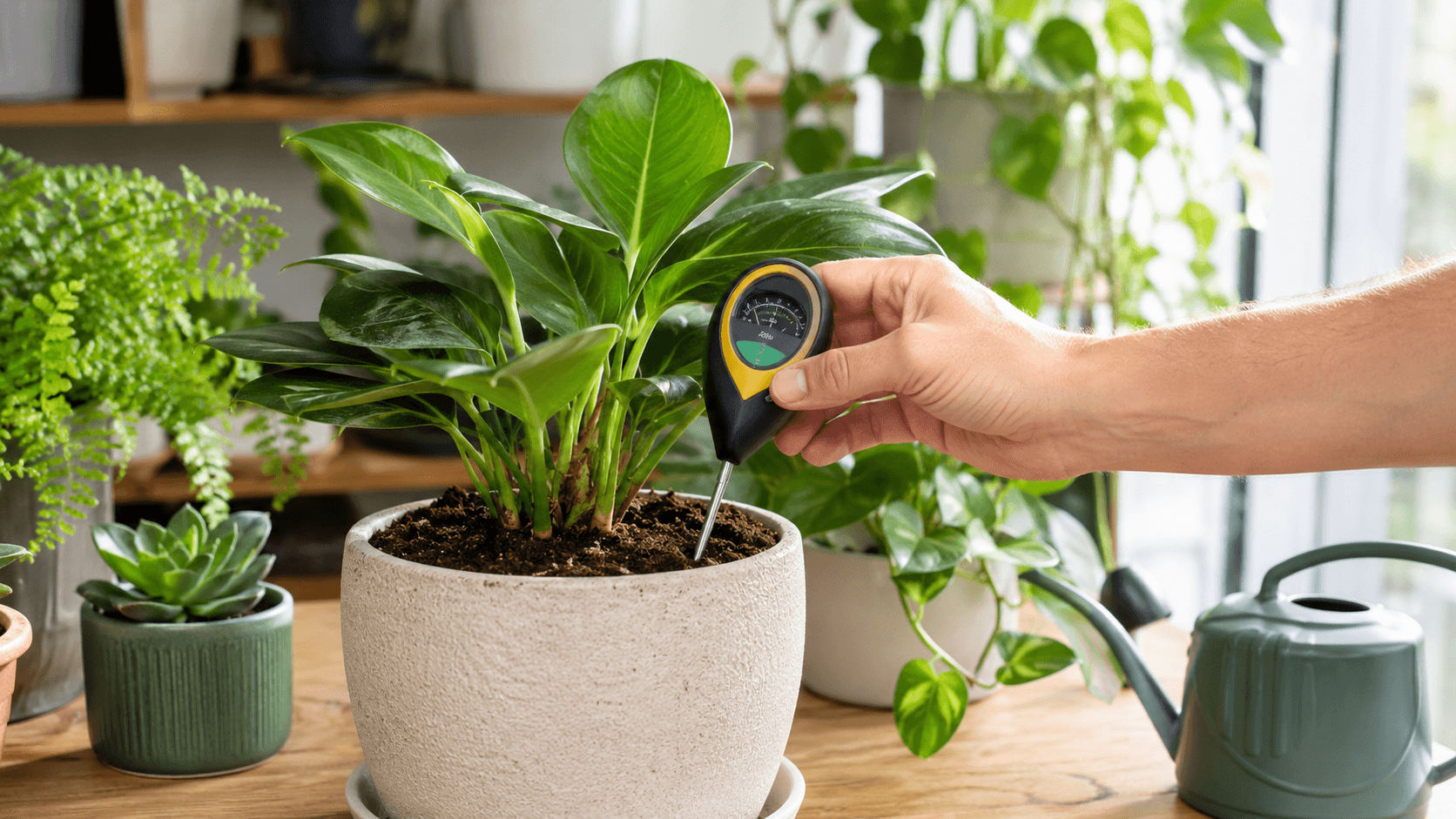
Watering by feel kills plenty of houseplants. A moisture meter checks the soil for you, and takes the guesswork out of it. This guide will show you how to use it correctly, from the first touch to the final reading.
7 min read · 13 Aug 2026
Rainwater, filtered, distilled, and tap water affect plants differently. Learn which types support healthy growth and which cause slow damage. Match each to your plants and discover how to easily improve tap water quality.