

clove (Syzygium aromaticum) Light Needs

clove grows best in full sun, with long bright exposure and several hours of direct light daily.

Light Preference

Full Sun

Syzygium aromaticum Light Requirements

Syzygium aromaticum is native to the humid tropics of the Maluku Islands, where warm temperatures, high rainfall, and strong year-round sun support evergreen growth. Young trees often establish with some shelter, while mature cultivated trees produce best in open, bright sites rather than shade. These conditions explain its need for long daily exposure in cultivation. Preferred light is full sun.

  • Ideal exposure:

    clove needs about 6–8 hours of full sun or very bright light daily, including 4–6 hours of direct sun.

  • Direct sun:

    Established plants tolerate full sun well in warm, humid conditions when introduced gradually.

  • Partial sun:

    Partial sun is acceptable, but growth and flowering are usually stronger with longer exposure.

  • Low light:

    Shade is not suitable and often leads to weak, stretched growth.

  • Afternoon heat:

    Very hot afternoon sun is riskiest after a sudden move from sheltered conditions.

Excess light usually appears after a sudden move into harsh, direct sun.

Bleached patches:

Leaves may develop pale, washed areas where intense sun hits the surface most directly.

Dry scorch spots:

Tan or brown patches can form on exposed leaves, especially after hot afternoon sun.

Heat-folded leaves:

Newer leaves may curl or fold during the brightest part of the day.

Scorched new growth:

Tender flushes can mark more quickly than older, leathery leaves.

Move the plant out of harsh afternoon exposure and keep bright morning sun instead. If full sun is the goal, increase direct exposure over 1–2 weeks.

Low light weakens growth before it causes obvious leaf damage. Watch the newest growth first.

  • Long gaps:

    Stems may stretch, leaving wider spacing between leaf pairs.

  • Leaning growth:

    Branches often angle toward the strongest available light instead of growing evenly.

  • Small new leaves:

    New flushes may be smaller and softer than leaves formed in brighter conditions.

  • Fewer buds:

    Flowering can be limited when daily light is too weak for sustained growth.

  • Thin canopy:

    Overall branching can look sparse even during the warm growing season.

Move it to a brighter site with direct sun introduced gradually. Avoid treating shade stress as a pruning issue until light improves.

When full sun is not available, choose the brightest protected site that still receives several hours of direct morning or midday sun. Treat deep shade as unsuitable because it does not meet Syzygium aromaticum light needs.

Rotate container-grown plants every 1–2 weeks so each side receives direct light. Use a light shade cloth or filtered cover only during sudden heat or after moving from lower light.

Get Personalized Care Plan

Scan your plant to receive care tips personalized for your specific plant

FAQ

For clove light requirements, aim for full sun or very bright exposure. The species grows best with long daily light and several hours of direct sun once acclimated.

More Plant Light Guides

Get the Botan App

Discover how to care for your plants with Botan.

Botan app identifying a plant with a phone camera
How to Repot a Plant: A Step-by-Step Guide

7 min read · 28 May 2026

How to Repot a Plant: A Step-by-Step Guide

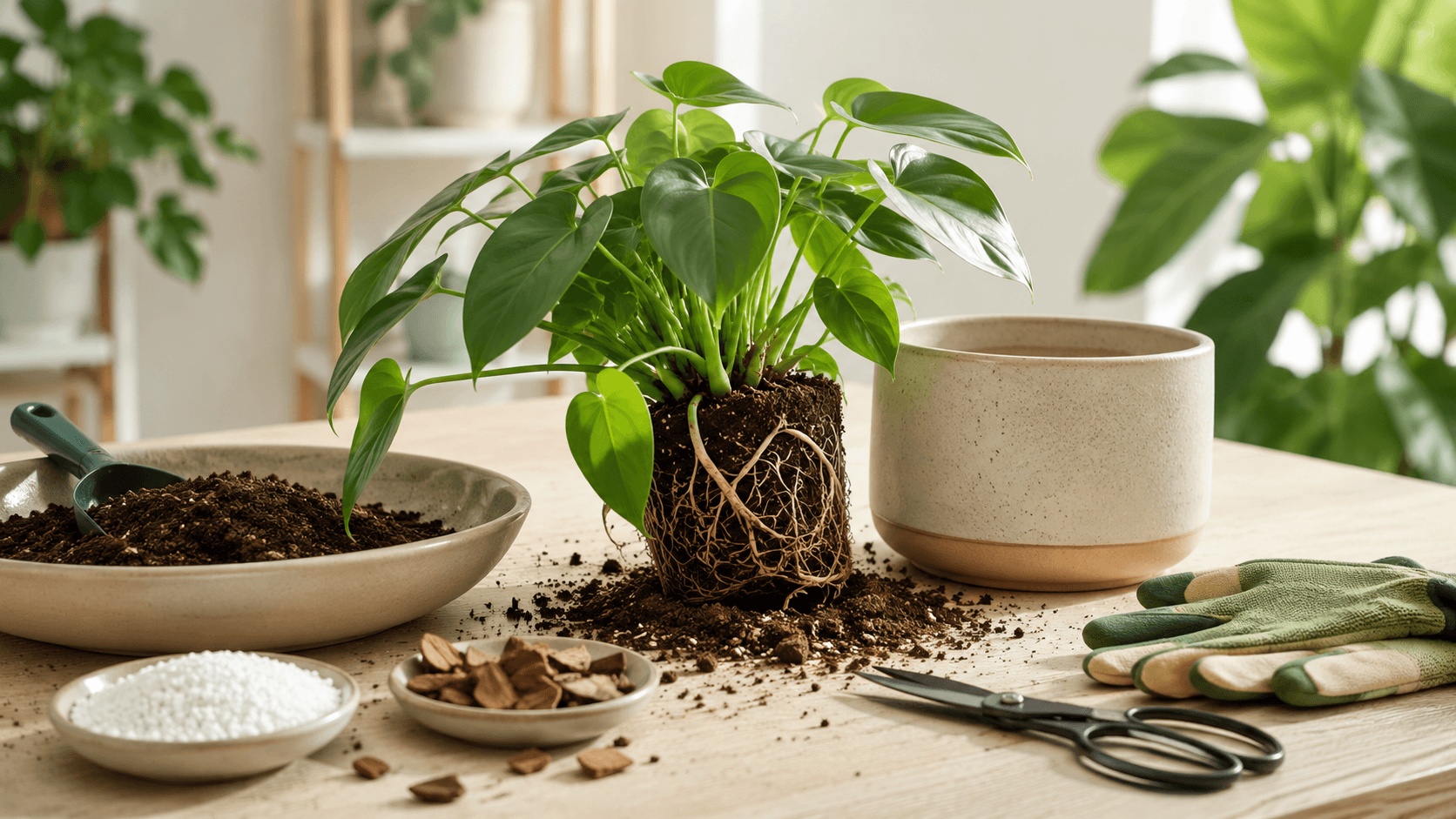
In spring, many plants need repotting—an essential part of care. To avoid stress, consider the plant’s type and size. This article offers a step-by-step guide for repotting indoors or outdoors and shows how to check plant health and get care tips using the Botan app.

Plant Care
How to Repot a Plant: A Step-by-Step Guide
Thorny Plants: A Comprehensive Guide

10 min read · 25 Aug 2026

Thorny Plants: A Comprehensive Guide

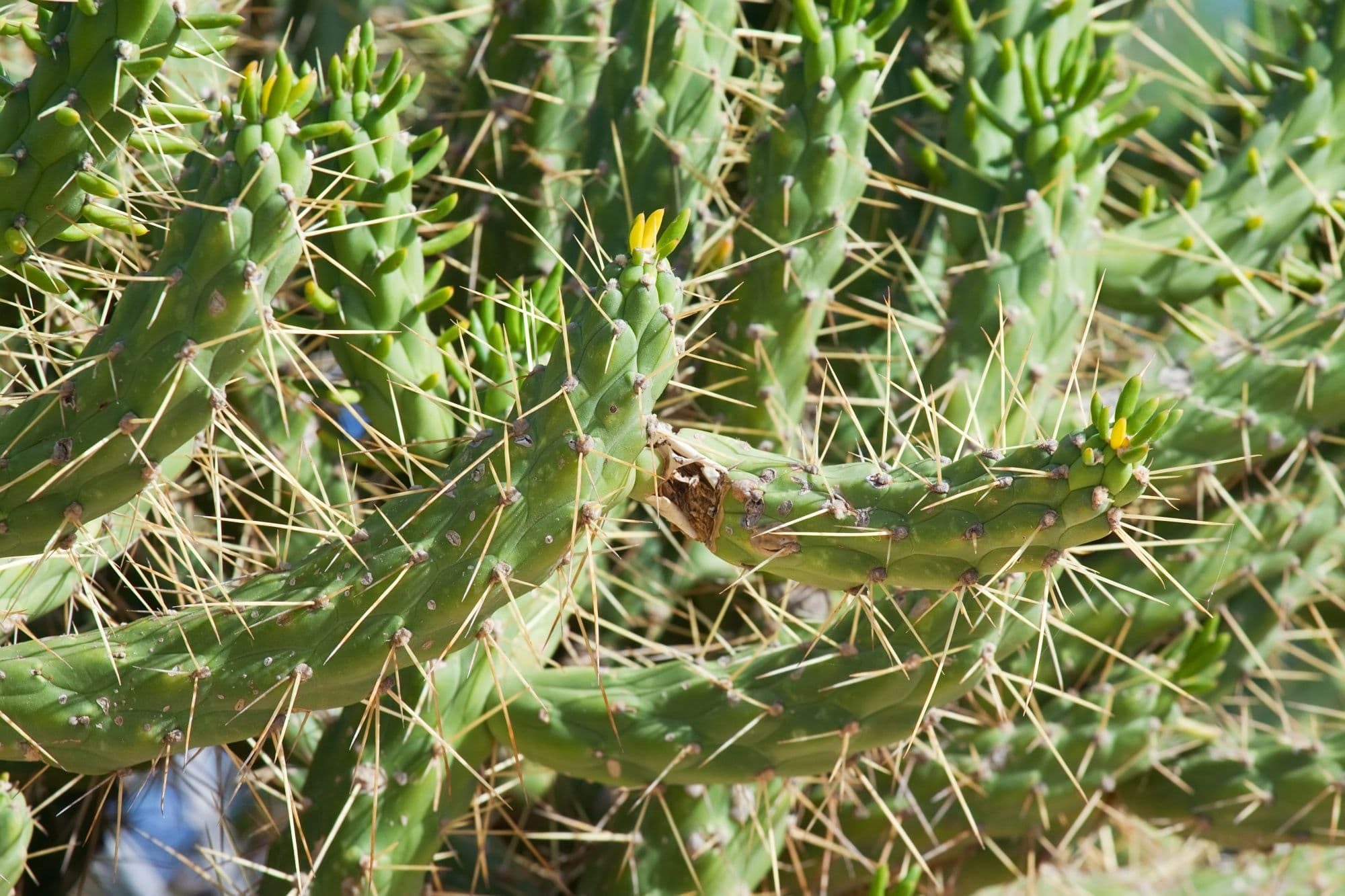
Many plants defend themselves with sharp thorns. This guide explores over 20 examples among flowers, shrubs, trees, and vines. You'll learn what each plant looks like, why it grows thorns, and how to quickly identify them.

Plant Recommendations
Thorny Plants: A Comprehensive Guide
Best Fertilizer for Grass in Summer: How to Choose the Right One

6 min read · 18 Aug 2026

Best Fertilizer for Grass in Summer: How to Choose the Right One

The right fertilizer in summer can make a lawn thrive. The wrong one can damage it. Here, you’ll learn the best NPK ratios by grass type, when and how to apply your formula, and how to recognize the signs of over- or under-fertilizing.

Plant Care
Best Fertilizer for Grass in Summer: How to Choose the Right One