Zebra Haworthia (Haworthiopsis attenuata) Watering Guide

This page explains when, how often, and how much to water Zebra Haworthia in straightforward, practical terms.

Water Requirements

Low Water

Haworthiopsis attenuata Watering

Native to dry South African habitats with infrequent rainfall, Haworthiopsis attenuata is adapted to brief moisture followed by drying. Indoors, watering Zebra Haworthia means imitating this light, occasional moisture without keeping the potting mix continually damp.

Let the soil dry between sessions so roots can access air and avoid prolonged wetness. Compared with outdoor plants in warm, bright conditions, indoor pots usually need gentler, less frequent watering under controlled light and temperature.

Water when the top 1–2 inches (3–5 cm) of soil are completely dry and the pot feels noticeably lighter. Haworthiopsis attenuata typically needs water every 2–4 weeks, with shorter intervals in warm, bright conditions and longer intervals in cooler rooms or during winter rest.

Water Zebra Haworthia when the soil is completely dry, then drench the root zone once, letting excess moisture drain away.

  • Pour room-temperature water slowly over the soil surface until it runs from the drainage holes, then stop immediately.
  • Let the pot sit in its saucer for 5–10 minutes, then discard any remaining water to keep roots aerated.
  • Keep the rosette and leaf bases dry; direct water only to the soil to avoid trapped moisture in leaf crevices.

Incorrect moisture balance can stress Haworthiopsis attenuata, leading to avoidable health and appearance problems.

Mushy Base:

Lower leaves or stem feel soft and translucent from chronic saturation and poorly draining potting mix.

Shriveled Leaves:

Foliage looks thin and collapsed due to extended dryness or shallow, infrequent rehydration cycles.

Leaf Tip Browning:

Dry, crispy tips develop when soil swings rapidly between bone-dry and heavy watering events.

Yellowing Lower Leaves:

Oldest leaves yellow prematurely when roots struggle in compacted, airless soil that retains excess moisture.

Keep roots in fast-draining soil, watering deeply but only after the mix dries most of the way.

Unsuitable watering habits can quickly stress Haworthiopsis attenuata, since this compact succulent stores moisture in its leaves and roots.

  • Watering by calendar: Following a fixed schedule ignores seasonal changes; instead, water only when most of the potting mix feels dry below the surface.
  • Using dense potting soil: Heavy, peat-rich mixes hold moisture too long; choose a gritty cactus blend that drains fast yet still anchors roots.
  • Letting runoff sit: Leaving water in the saucer keeps roots constantly damp; empty saucers a few minutes after each thorough watering.

A safer approach is infrequent, responsive watering in a fast-draining setup, letting the mix dry well between soakings.

  • Spring: Growth usually resumes, so increase watering slightly, letting the mix dry fully between drinks and watching for faster use of moisture.
  • Summer: In bright, hot conditions, water a bit more often, but reduce if the plant slows in extreme heat or lower indoor light.
  • Fall: Gradually lengthen the dry period between waterings as growth eases, especially if indoor temperatures and light levels begin to drop.
  • Winter: With slower metabolism and cooler rooms, water sparingly, keeping soil mostly dry and avoiding cold, wet roots for long stretches.

Get Your Zebra Haworthia Watering Schedule

Use Botan to build a simple watering guide and care routine for Haworthiopsis attenuata, and calmly track plant health with photo-based issue detection when something looks off.

Botan plant care app — identify plants on mobile

Interesting Watering Facts

Winter-rainfall adaptation

In its native South African range, this species experiences most rain in the cooler months, so it grows actively in autumn and winter and slows in hot, dry summers. Indoors, slightly more frequent watering in cooler bright seasons often aligns better with its natural rhythm than summer-heavy watering.


Fibrous roots, not taproot

Unlike some succulents with deep taproots, this species has a fibrous, relatively shallow root system that quickly absorbs brief showers in rocky crevices. In pots, it responds best to thorough but infrequent watering and a fast-draining mix that mimics those quick-soak, quick-dry conditions.

FAQ

Water when the top 1–2 inches (3–5 cm) of soil are completely dry, typically every 2–4 weeks. Frequency depends on light, temperature, and potting mix. In lower light, reduce how often to water to prevent root rot.

More Plant Watering Guides

Is Your Watering Routine Hurting Your Zebra Haworthia?

Use Botan to review watering habits and see if moisture timing needs adjustment.

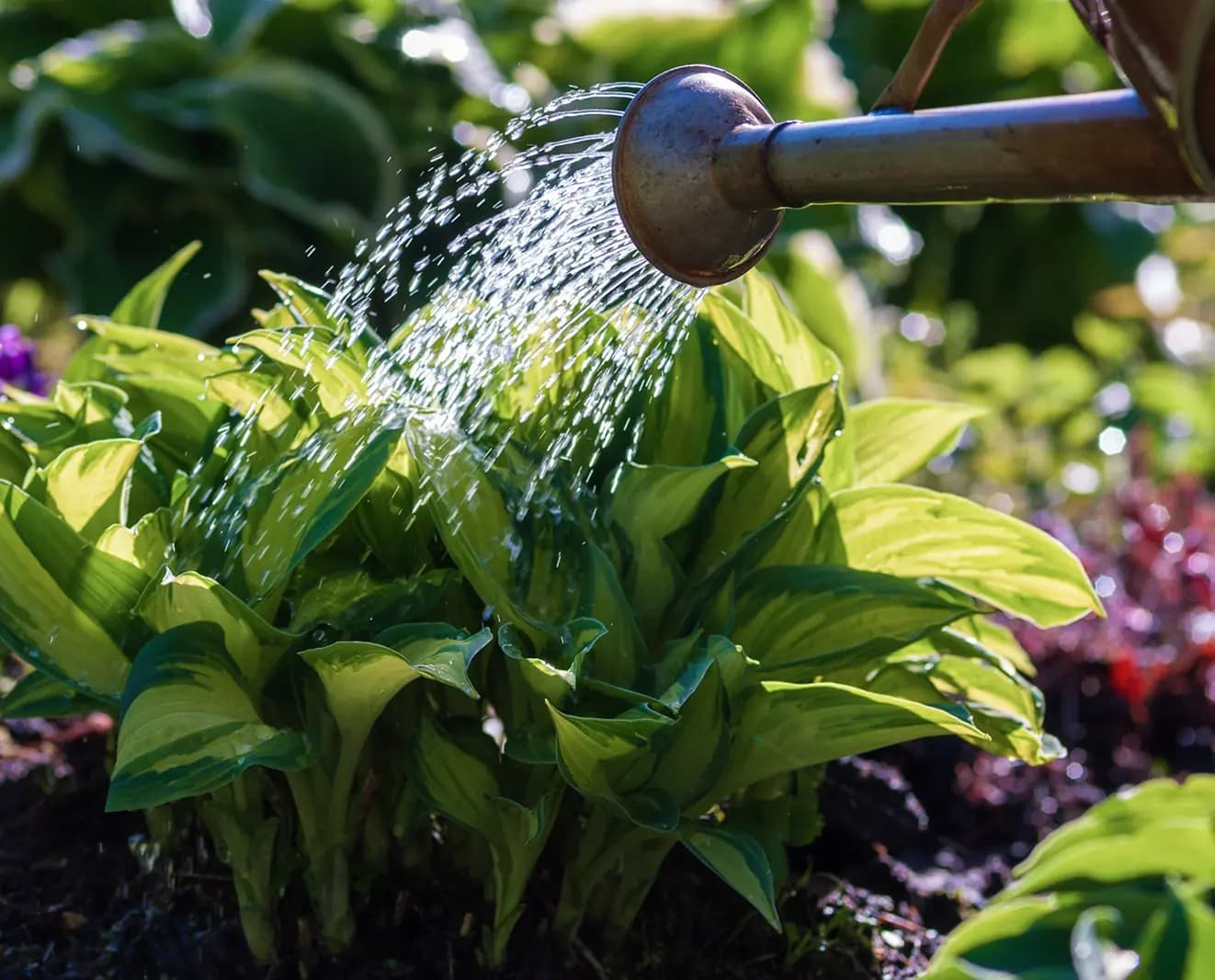
Watering a plant with a copper watering can
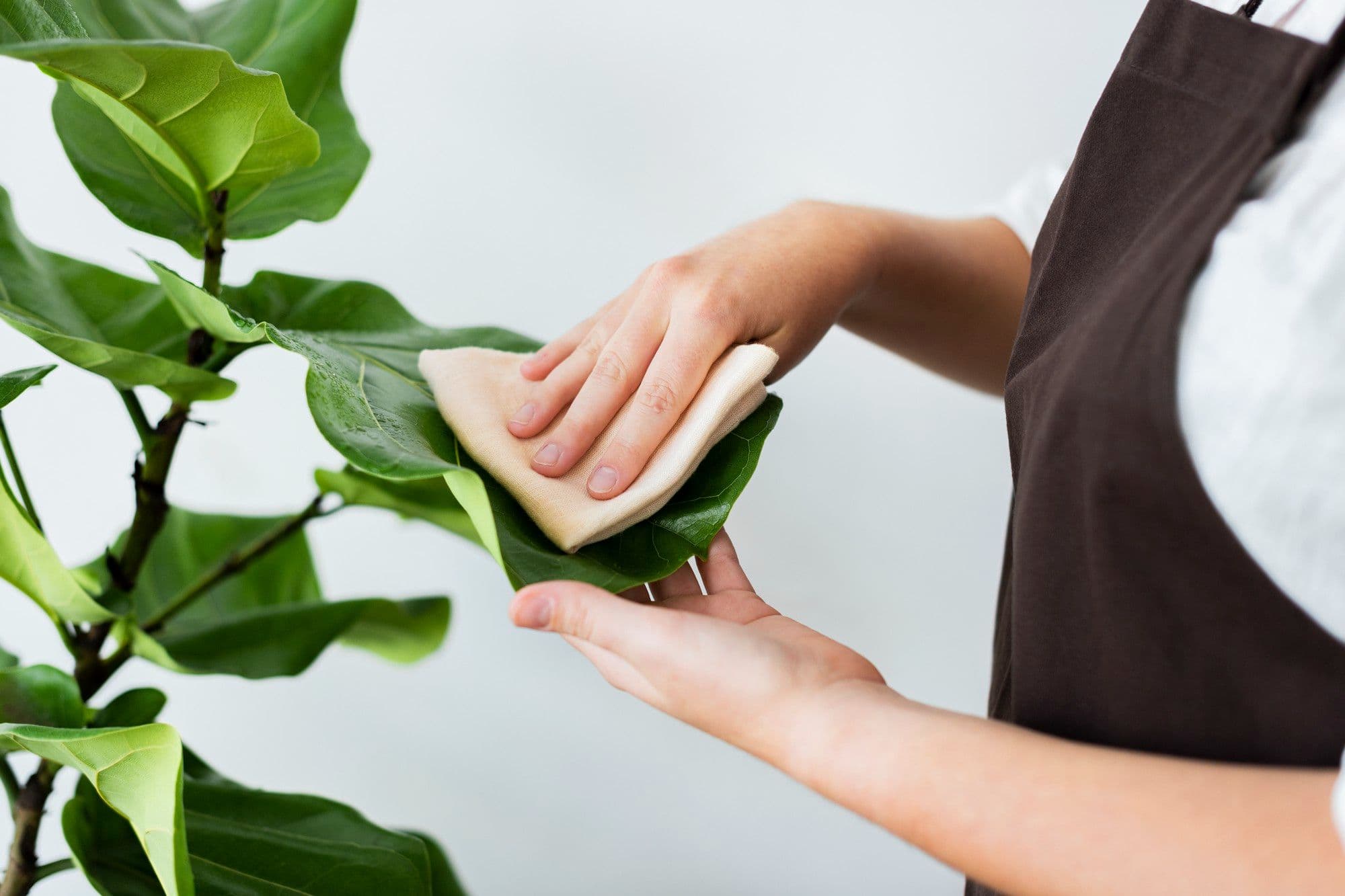
How to Clean Plant Leaves: A Simple Care Guide

6 min read · 4 Aug 2026

How to Clean Plant Leaves: A Simple Care Guide

Dusty leaves look dull and don't absorb light well. Below, you'll find simple ways to clean them, which tools are truly effective, how often you should do it, and what causes damage.

Beginner Guides
How to Clean Plant Leaves: A Simple Care Guide
How to Mist Plants – Proper Technique and Common Mistakes

7 min read · 30 Jul 2026

How to Mist Plants – Proper Technique and Common Mistakes

Find out when misting works well and when to avoid it. Here, you’ll find detailed information about compatible and incompatible species, tips on how often to mist plants and do it correctly, and some great alternatives for raising humidity.

Beginner Guides
How to Mist Plants – Proper Technique and Common Mistakes
How Fast Does Bamboo Grow Per Day, Month, and Year

10 min read · 7 Jul 2026

How Fast Does Bamboo Grow Per Day, Month, and Year

Bamboo grows extremely fast: some species can reach 5-6 m in just 3-4 months under the right conditions. This guide explains how much bamboo can grow per day, week, and year, and what affects its growth rate.

Plant Recommendations
How Fast Does Bamboo Grow Per Day, Month, and Year