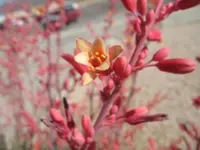

Red yucca (Hesperaloe parviflora) Watering Guide

This page explains when, how often, and how much to water Hesperaloe parviflora to guide basic care decisions.

Water Requirements

Low Water

Hesperaloe parviflora Watering

This drought-tolerant succulent comes from arid, rocky habitats with brief, seasonal rainfall and long dry spells. Hesperaloe parviflora prefers soil that dries between waterings rather than staying evenly moist.

As a mostly outdoor landscape plant, watering Red yucca usually means mimicking light, infrequent desert rain. Container-grown plants need slightly more frequent attention, but the same dry-leaning approach still guides how to water Red yucca overall.

Let the soil dry completely before watering again; the top 1–2 inches (3–5 cm) should feel dry and the pot feel light. In warm, bright conditions, Red yucca typically needs water every 2–4 weeks, while cooler weather or shade usually lengthens the interval.

Water Red yucca when the soil is completely dry several inches down, using a slow, deep soak that drains freely.

  • Pour water slowly at the base of the clump, keeping the leaf rosettes and crown as dry as possible.
  • Apply enough water to moisten soil 6–8 inches (15–20 cm) deep around the main root zone, not just the surface.
  • Let excess water drain fully from the planting hole or container, then empty saucers so roots never sit in standing water.
  • For container plants, use a narrow-spout watering can to direct flow onto soil only, avoiding splashing on foliage.

Incorrect moisture levels easily stress Hesperaloe parviflora and lead to noticeable growth problems.

Yellowing Lower Leaves:

Older leaves slowly turn dull yellow and limp when soil stays wet and drainage is poor.

Mushy Crown Or Base:

Plant base feels soft and collapses from chronic saturation, often in compacted or heavy clay soils.

Shriveled, Curling Leaves:

Leaves wrinkle, curl inward, and dull in color after prolonged drought and extremely dry soil.

Stunted Flower Stalks:

Bloom spikes emerge short or fail to open when irrigation is heavy during cool, low-light periods.

Keep soil fast-draining and allow it to dry between deep, infrequent waterings, especially in cool seasons.

Unsuitable watering habits can slowly weaken Hesperaloe parviflora, making red yucca less resilient to heat, cold, and pests.

  • Following a fixed schedule: Watering on the calendar instead of checking soil moisture keeps roots too wet or too dry; test several inches deep first.
  • Using heavy, waterlogged soil: Dense mixes without grit or sand trap moisture around roots; choose a sharply draining cactus or succulent blend instead.
  • Leaving water in saucers: Letting runoff sit under the pot bathes roots in constant moisture; empty saucers a few minutes after each watering.

Base irrigation on drainage and soil dryness, allowing this desert species to dry between soakings for stronger, more resilient growth.

  • Spring: Resume light watering once soil dries fully, as new growth and flowering spikes emerge in warmer, brighter conditions.
  • Summer: In very hot, dry climates, water slightly more often after deep dry-downs; established plants in the ground may need little or no irrigation.
  • Fall: Gradually extend dry periods between waterings as temperatures drop and growth slows, keeping crowns dry before cool nights.
  • Winter: Provide minimal to no water outdoors in mild winter regions, only irrigating container plants if soil stays bone-dry for extended periods.

Your Red yucca Care Companion

Use Botan for a simple watering guide and care reminders tailored to Hesperaloe parviflora, plus gentle photo-based checks that help flag potential issues before they progress.

Botan plant care app — identify plants on mobile

Interesting Watering Facts

Summer-blooming after drought

In its native Chihuahuan Desert habitat, Hesperaloe parviflora typically sends up tall flower spikes after dry periods followed by summer rains, so in cultivation it often flowers best when kept quite dry, then given a modest increase in water as warm-season growth begins.


Deep-rooted water forager

Hesperaloe parviflora develops a deep, fibrous root system that lets it tap moisture well below the soil surface, which explains its strong drought tolerance and why it performs best in deep, sharply drained soils rather than shallow, frequently watered beds.

Cold-hardy yet xeric

Unlike many desert-adapted succulents, Hesperaloe parviflora tolerates significant winter cold while remaining highly drought adapted, so it is often used in xeriscapes in cooler climates where plants must endure both low temperatures and extended dry periods with minimal irrigation.

FAQ

Drooping soon after watering usually means roots are sitting in soggy soil and low oxygen. Check that the mix drains quickly, empty saucers, and let the top several inches dry before the next drink.

More Plant Watering Guides

Is Your Watering Routine Hurting Your Red yucca?

Use Botan to review and adjust watering so moisture stays in a healthy range.

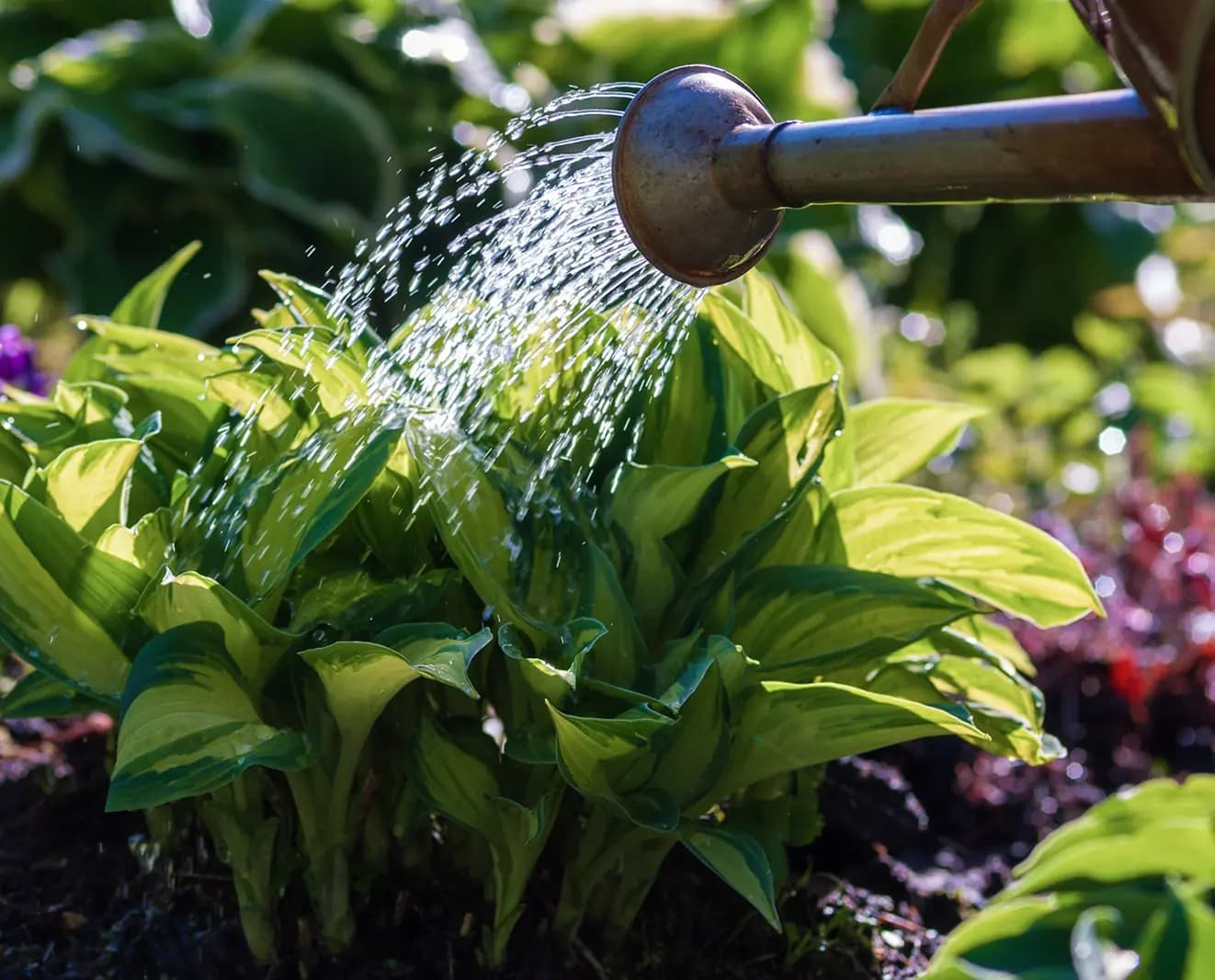
Watering a plant with a copper watering can
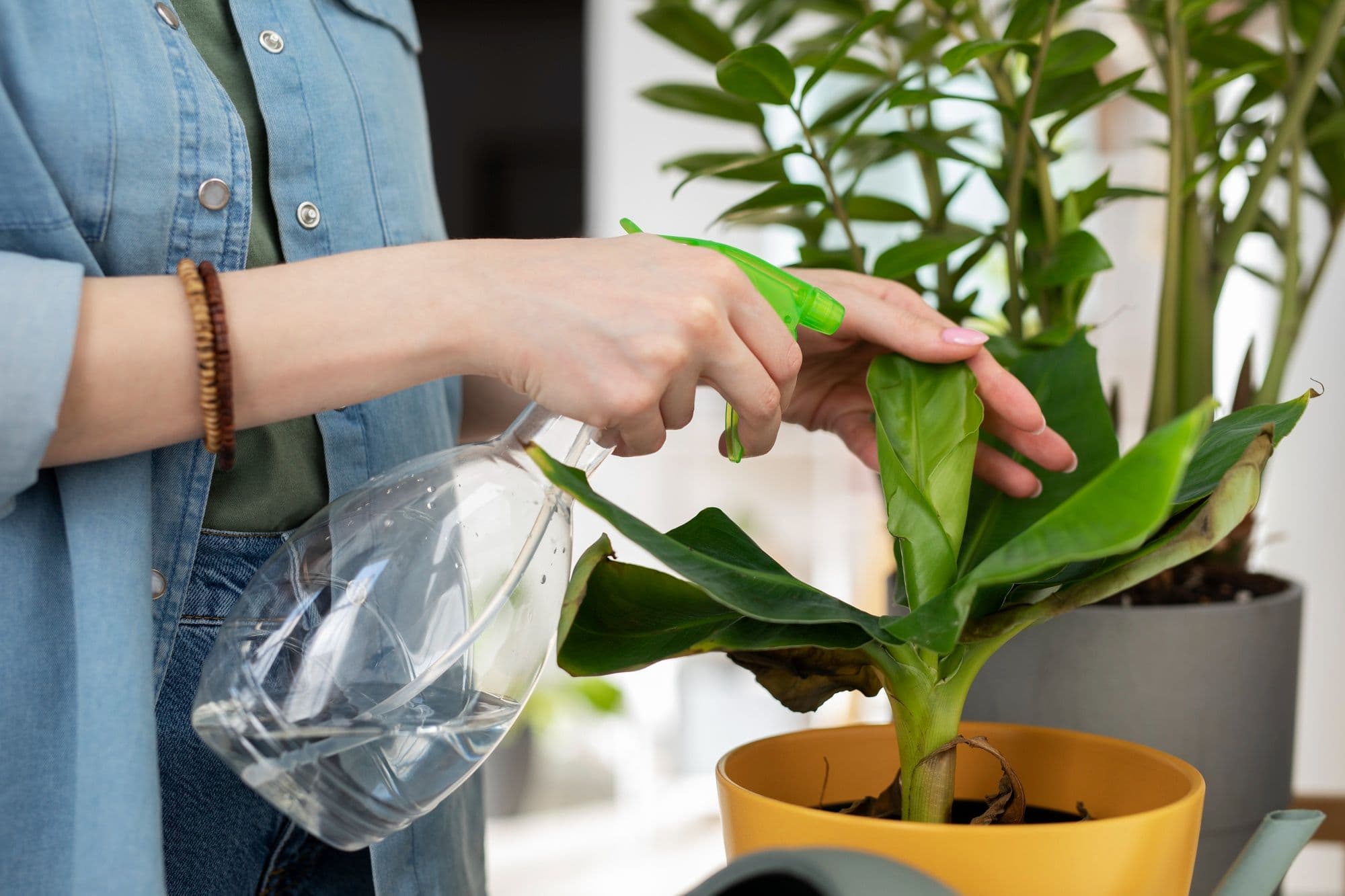
How to Mist Plants – Proper Technique and Common Mistakes

7 min read · 30 Jul 2026

How to Mist Plants – Proper Technique and Common Mistakes

Find out when misting works well and when to avoid it. Here, you’ll find detailed information about compatible and incompatible species, tips on how often to mist plants and do it correctly, and some great alternatives for raising humidity.

Beginner Guides
How to Mist Plants – Proper Technique and Common Mistakes
How to Tell if a Plant Is Dead

6 min read · 19 Aug 2026

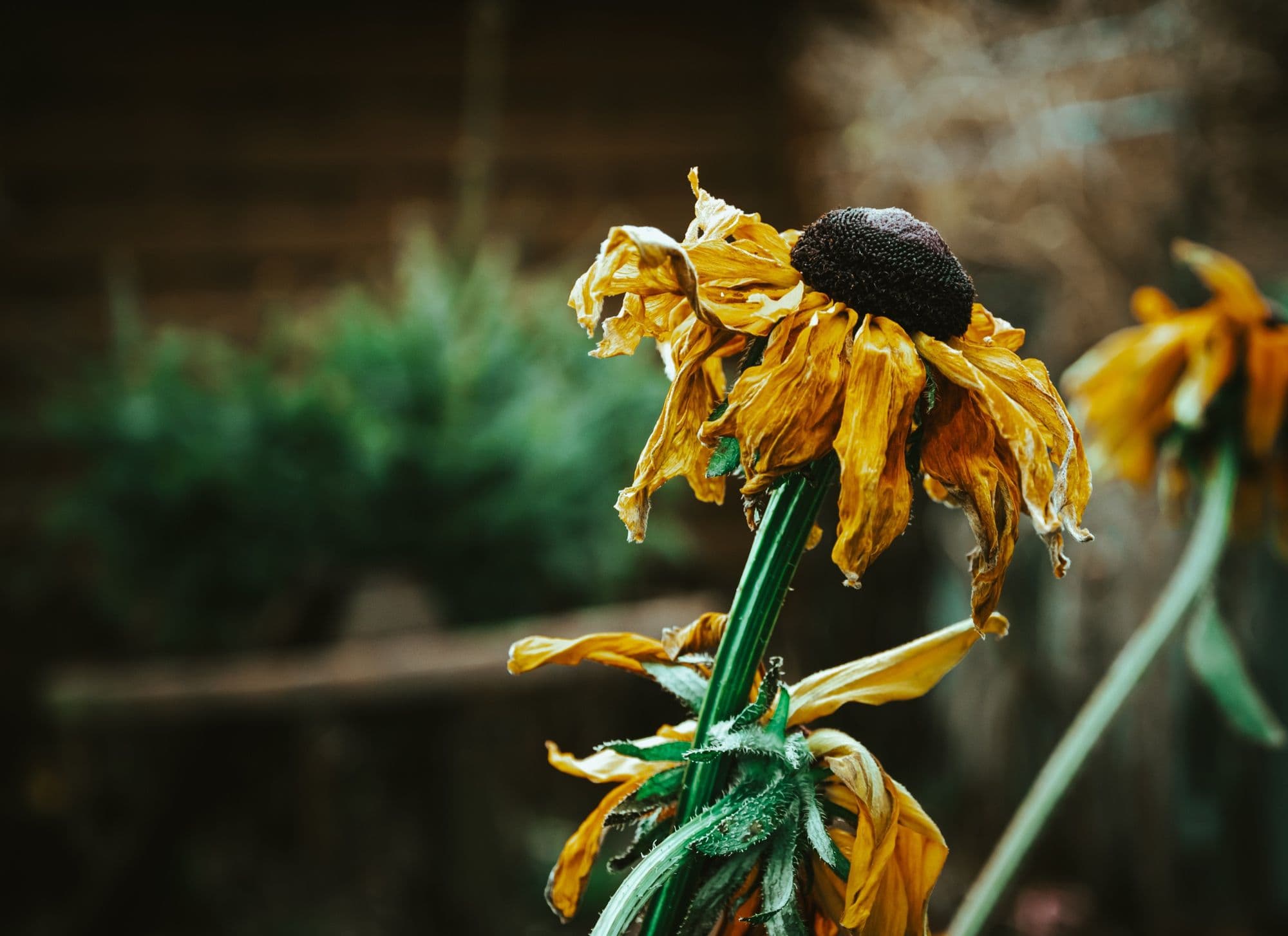
How to Tell if a Plant Is Dead

A plant can lose its leaves, stop growing, or collapse and still remain alive. A closer look at the stems, roots, bulbs, and tubers can show whether the plant still has a chance to recover.

Beginner Guides
How to Tell if a Plant Is Dead
How to Bottom Water Plants: Complete Guide

6 min read · 13 Jul 2026

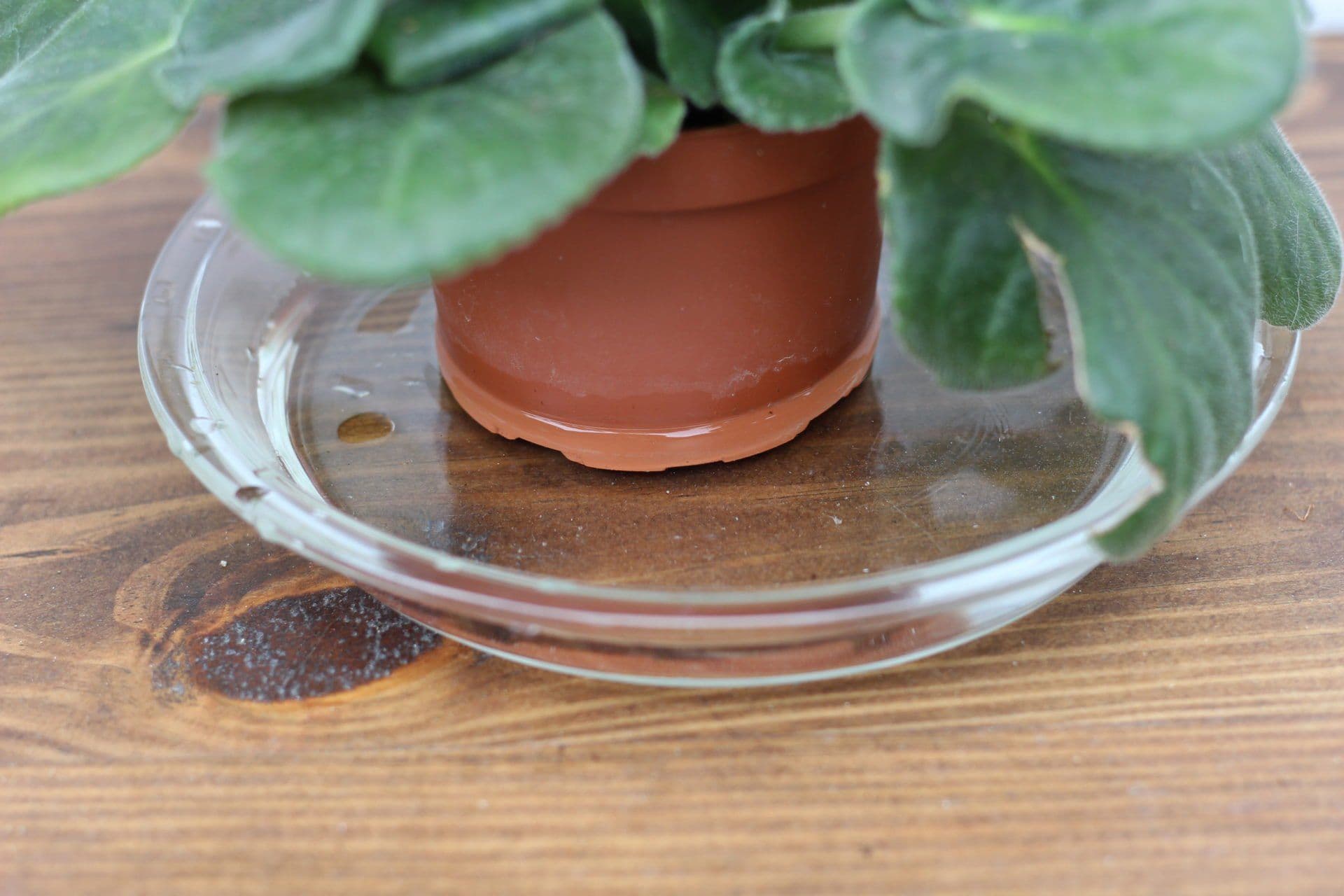
How to Bottom Water Plants: Complete Guide

Bottom watering helps soil absorb moisture evenly and keeps foliage dry, reducing the risk of missed dry spots or root problems. Place the pot in a tray of water for a short time, then let it drain well.

Plant Care
How to Bottom Water Plants: Complete Guide