Shallow, Fibrous Roots
Hydrangea macrophylla develops a dense, shallow root system that stays close to the soil surface, where moisture is most available, so it is sensitive to drying out and benefits from consistently moist, mulched soil.

This page explains when, how often, and how much to water Hydrangea macrophylla for consistent, practical care guidance.

Water Requirements
Regular Water
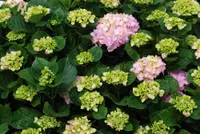
Native to moist, temperate woodland edges, Hydrangea macrophylla naturally experiences steady rainfall and evenly damp soil. In garden beds it prefers consistently moist conditions, while in containers it dries a bit faster and needs closer monitoring.
Think of watering Hydrangea macrophylla as gently matching those naturally moist, not soggy, conditions. This foundation will guide later details on adjusting frequency to climate, soil, and planting location.
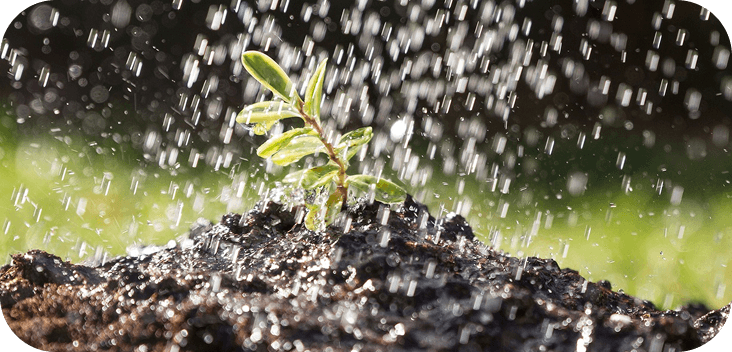
In active growth, hydrangeas typically need watering every few days, but the real guide is soil moisture. Water again when the top 1–2 inches (3–5 cm) feel dry and the leaves start to lose crispness. Hot, sunny outdoor conditions shorten this interval, while cool, shaded spots extend it.
Water Hydrangea macrophylla when the top 1–2 inches (3–5 cm) of soil feel dry and the pot lightens noticeably.
Incorrect moisture levels can stress Hydrangea macrophylla and trigger several distinct, avoidable growth problems.
Leaf blades droop midday and recover evenings, indicating shallow roots and irregular, surface-only watering habits.
Leaf edges dry, brown, and curl from chronic dryness or intense sun without sufficient soil moisture.
Older foliage turns dull yellow first from prolonged soggy soil restricting oxygen around roots.
Soil stays wet and sour-smelling, signaling poor drainage and a container or bed without aeration.
Keep soil consistently moist but never saturated, using deep, infrequent watering and freely draining soil.
Inconsistent watering habits can stress Hydrangea macrophylla, weakening blooms and foliage while reducing the shrub’s ability to handle heat and light changes.
Support healthier flowering by matching water to soil moisture, drainage, and weather conditions rather than relying on fixed routines.
Watering Check
Not sure if your plant needs water? Check its watering needs inside the app.
Use Botan for a clear watering guide and simple care steps for Hydrangea macrophylla, plus gentle photo-based checks that help notice leaf spots, wilting, and other early issues.
Hydrangea macrophylla develops a dense, shallow root system that stays close to the soil surface, where moisture is most available, so it is sensitive to drying out and benefits from consistently moist, mulched soil.
In its native range of coastal Japan, Hydrangea macrophylla typically grows in humid, woodland or ravine habitats with regular rainfall, which explains its preference for evenly moist, cool soils in cultivation.
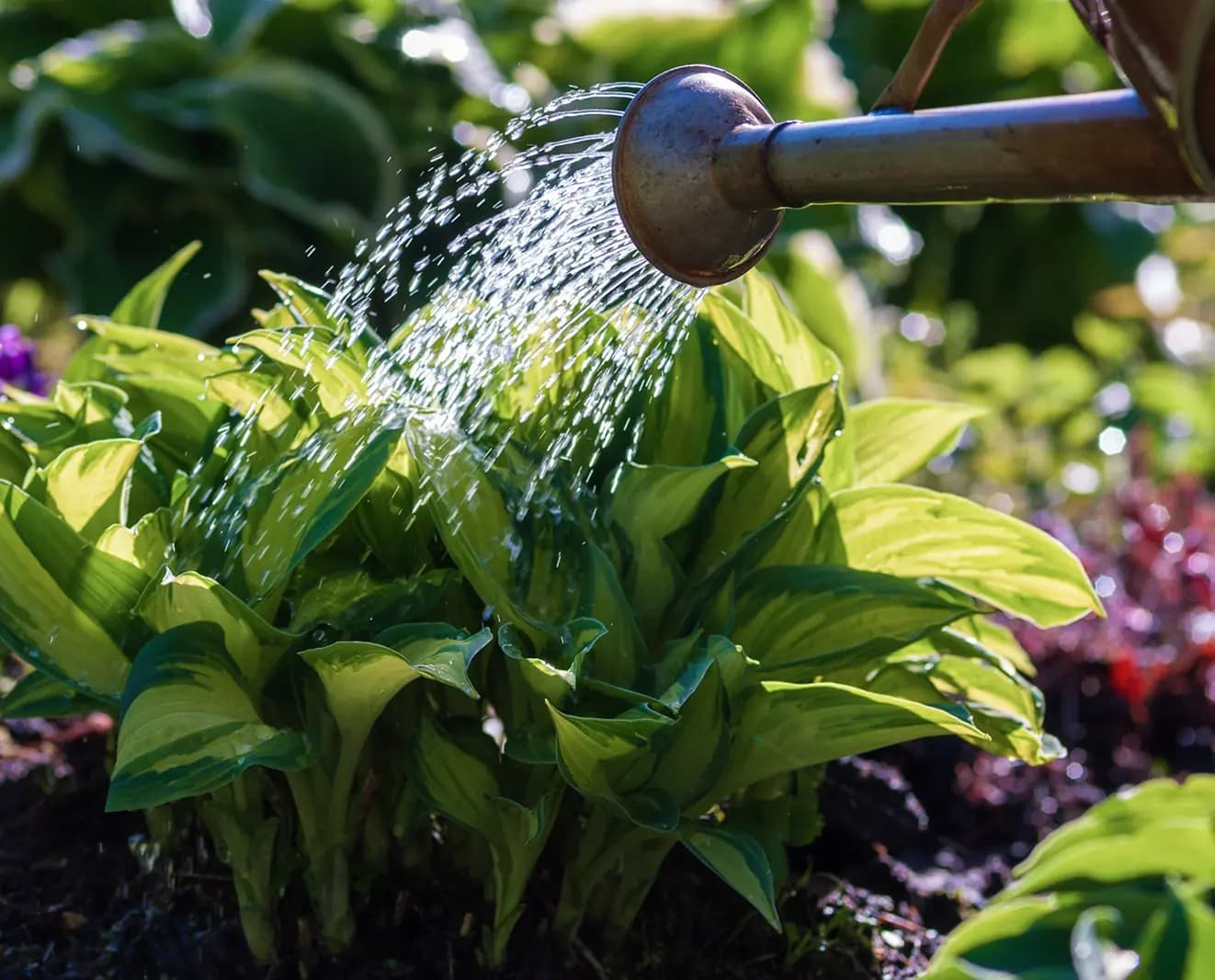
Early morning is best, so leaves dry quickly and roots can take up moisture before midday heat. This timing also reduces evaporation and fungal risk compared with watering in strong sun or late evening.
Botan helps confirm if your plant’s watering level stays on track.
7 min read · 20 Aug 2026
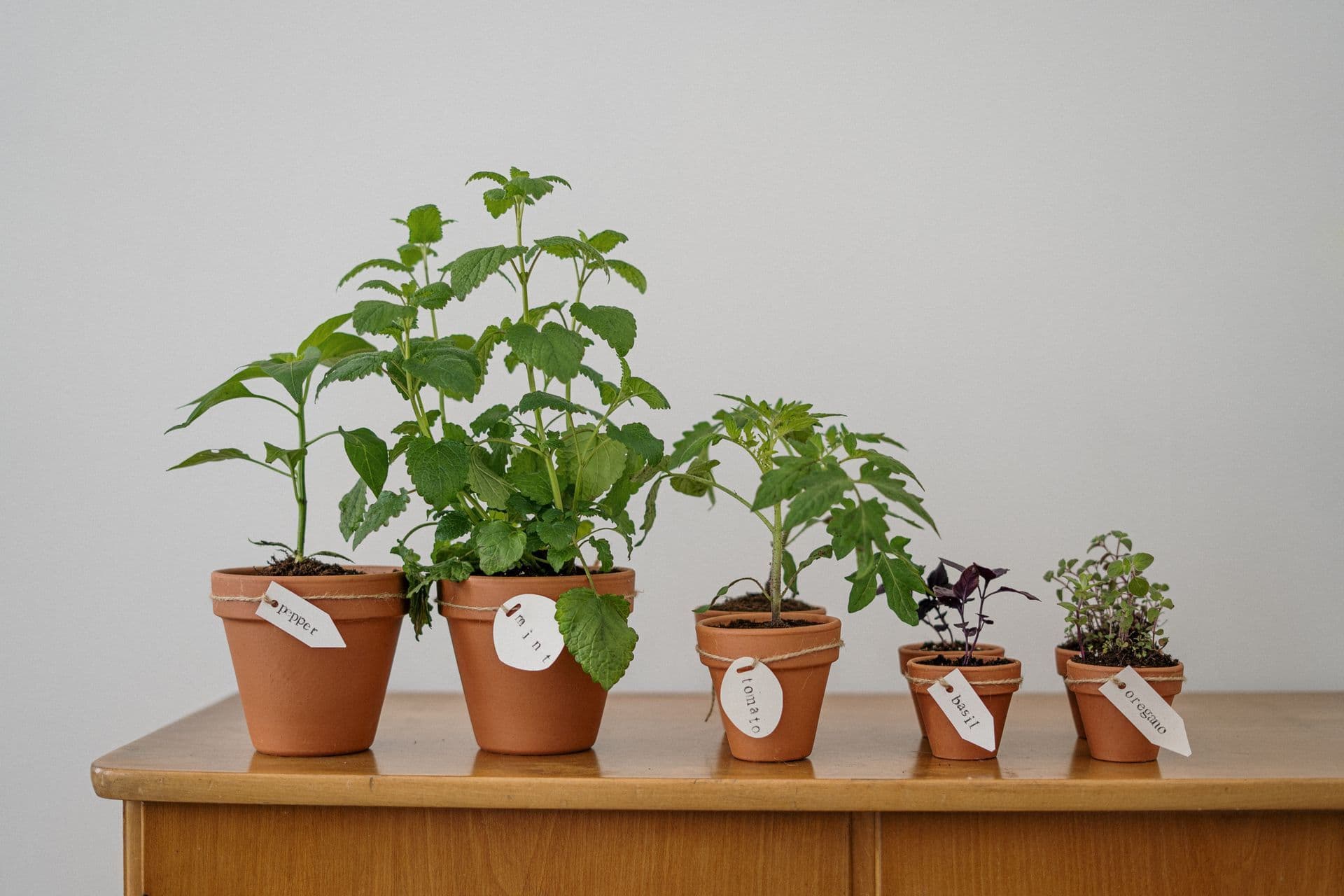
Plant pot sizes can be confusing because the number on the label only tells you part of the required information. A container may look spacious but actually be too shallow. So, how to choose pot size for plant species?
7 min read · 30 Jul 2026
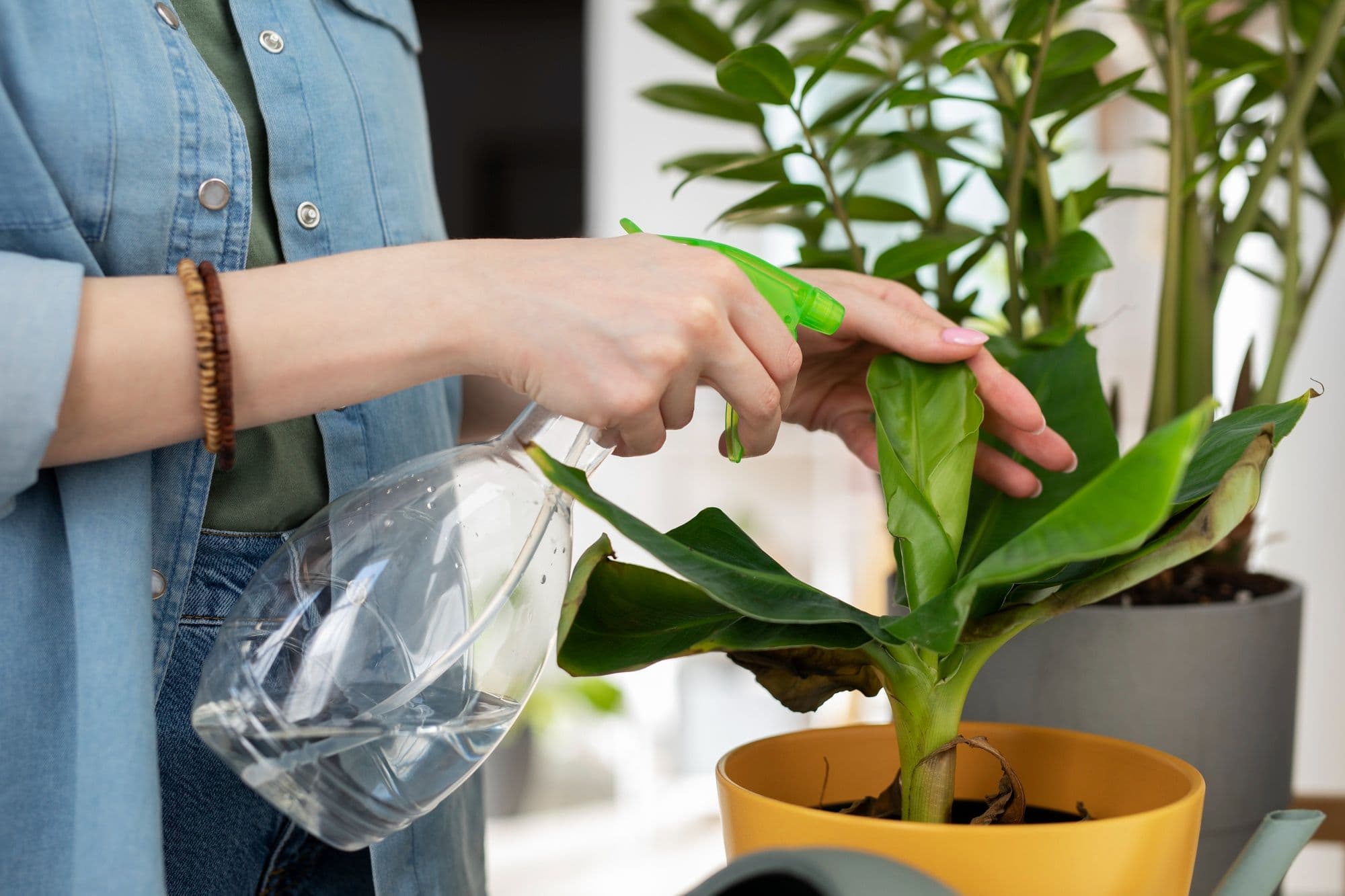
Find out when misting works well and when to avoid it. Here, you’ll find detailed information about compatible and incompatible species, tips on how often to mist plants and do it correctly, and some great alternatives for raising humidity.
8 min read · 14 Aug 2026
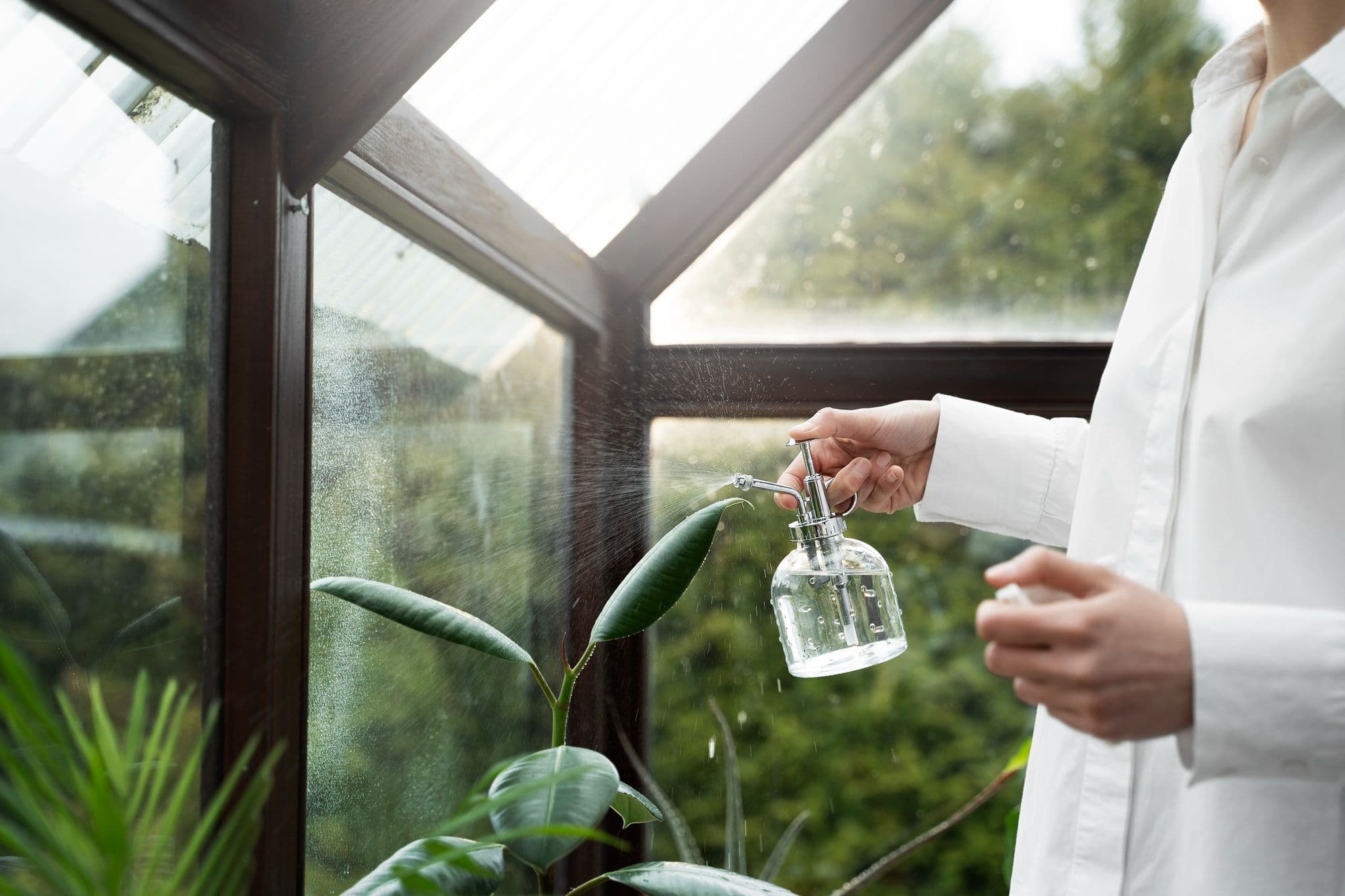
Dry indoor air stresses a lot of houseplants. You usually notice it first in the browning leaf tips. This guide describes 8 simple ways to raise the moisture around your plants, from humidifiers to pebble trays.