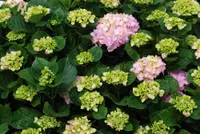
Panicled Hydrangea (Hydrangea paniculata) Watering Guide

This page explains when, how often, and how much to water Hydrangea paniculata for steady, reliable growth.

Water Requirements

Regular Water

Hydrangea paniculata Watering

In garden settings, this shrub thrives where rainfall is regular and soil stays evenly moist, not soggy. Hydrangea paniculata prefers consistent moisture that never fully dries, reflecting its woodland-edge origins with moderate natural humidity.

For watering Panicled Hydrangea, think steady, moderate supply rather than deep droughts or frequent light splashes. Outdoor plants typically rely more on rainfall balance, while container specimens need more attentive, controlled watering decisions.

Check the soil and water when the top 1–2 inches (3–5 cm) feel dry. In the ground, Hydrangea paniculata typically needs water every few days in summer and less often in cool or rainy weather. Container plants usually dry out faster, especially in full sun or during heat waves.

Water Hydrangea paniculata when the top 1-2 inches (3-5 cm) of soil feel dry, keeping moisture deep yet not saturated.

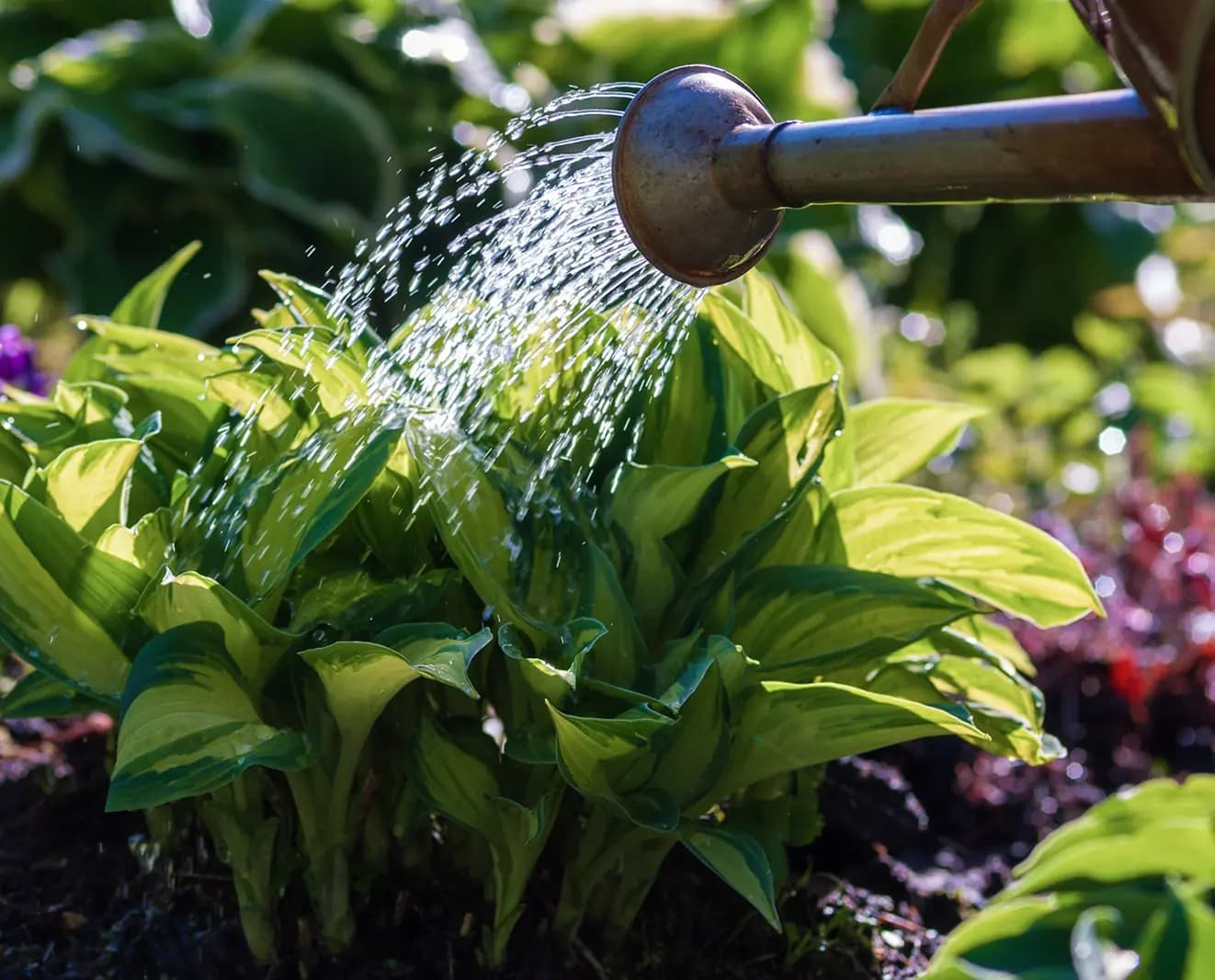
  • Use a watering can or hose with gentle flow, directing water at the soil around the base, not the foliage.
  • Apply water slowly in a wide circle to soak the whole root zone, letting moisture sink 6-8 inches (15-20 cm).
  • Allow excess water to drain freely from beds or containers, avoiding standing water around the crown or in saucers.
  • In containers, water until liquid runs from drainage holes, then empty outer cachepots or trays within 10-15 minutes.

Incorrect soil moisture can stress Hydrangea paniculata, reducing vigor and flowering quality over time.

Wilting Leaves:

Leaf droop during hot afternoons with recovery by evening suggests shallow roots and inconsistent watering.

Browning Leaf Edges:

Crisp, tan margins on sun-exposed leaves often indicate underwatering combined with strong sun and wind.

Yellowing Lower Leaves:

Older leaves turning pale with slow growth may result from chronic overwatering and reduced root oxygen.

Mushy Roots:

Soft, dark roots with sour smell indicate prolonged saturation and poor drainage around the root zone.

Sparse Flower Panicles:

Fewer, smaller blooms can follow irregular watering that alternates between drought stress and saturation.

Keep soil steadily moist but never waterlogged, adjusting frequency with weather, plant size, and drainage.

Unsuitable watering habits can quickly stress Hydrangea paniculata, weakening roots, reducing flowering, and shortening the life of panicled hydrangea shrubs.

  • Following a rigid schedule: Watering by calendar instead of checking soil moisture often leaves roots too wet or too dry; feel soil before watering.
  • Using dense, soggy soil: Heavy soils that stay wet suffocate roots; choose a loose, well-draining mix that still holds moderate, even moisture.
  • Letting pots sit in runoff: Leaving water in saucers keeps the root zone saturated; empty saucers shortly after watering so excess moisture drains away.

Thoughtful watering based on soil feel, drainage, and container setup keeps panicled hydrangea roots evenly moist and better balanced.

  • Spring: Increase watering as buds swell and new stems extend, keeping soil evenly moist but not saturated while roots re-activate.
  • Summer: Deep-water during hot, dry spells, allowing the top inch of soil to dry slightly between soakings to reduce stress and flopped blooms.
  • Fall: Gradually reduce watering as growth slows, but prevent complete soil drying to support root storage before full dormancy.
  • Winter: In-ground plants usually need no supplemental water unless winter is unusually dry and ground is not frozen; containers may need occasional checks.

Your Panicled Hydrangea Care Companion

Use Botan to get a clear watering guide and simple care steps for Hydrangea paniculata, plus gentle photo-based checkups that help notice early signs of stress or pests.

Botan plant care app — identify plants on mobile

FAQ

Yes. Water thoroughly right after applying fertilizer to move nutrients into the root zone and prevent root burn. Ensure excess water can drain so salts do not concentrate around the roots.

Everything About Panicled Hydrangea

More Plant Watering Guides

Is Your Watering Routine Hurting Your Panicled Hydrangea?

Botan helps review your watering pattern so adjustments become straightforward and confident.

Watering a plant with a copper watering can
13 Best Front Yard Trees for Every Home and Yard

12 min read · 7 Aug 2026

13 Best Front Yard Trees for Every Home and Yard

A front yard tree can stay for decades. Therefore, choosing one deserves serious consideration. Here are 13 trees that have proven themselves, sorted by their purpose. You'll also find five species to avoid and basic planting information.

Plant Recommendations

13 Best Front Yard Trees for Every Home and Yard
How Fast Does Bamboo Grow Per Day, Month, and Year

10 min read · 7 Jul 2026

How Fast Does Bamboo Grow Per Day, Month, and Year

Bamboo grows extremely fast: some species can reach 5-6 m in just 3-4 months under the right conditions. This guide explains how much bamboo can grow per day, week, and year, and what affects its growth rate.

Plant Recommendations
How Fast Does Bamboo Grow Per Day, Month, and Year
Top 15 Fast-Growing Trees For Your Garden

13 min read · 28 Jul 2026

Top 15 Fast-Growing Trees For Your Garden

Learn which of the 15 fastest-growing trees will suit your area. We’ll share detailed information on each: growth rate, mature spread, key tree demands, and main vulnerabilities. Read on and make the best choice possible.

Plant Recommendations
Top 15 Fast-Growing Trees For Your Garden