

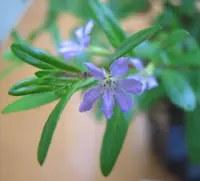
viburnum (Viburnum suspensum) Watering Guide

This page explains when, how often, and how much to water Viburnum suspensum for practical, consistent care.

Water Requirements

Moderate Water

Viburnum suspensum Watering

Native to warm, seasonally moist regions, Viburnum suspensum is adapted to soils that never stay saturated for long. It grows best with steady, moderate moisture that fluctuates slightly between rainfall events or hose sessions.

In most landscapes, watering viburnum means balancing brief surface drying with enough depth moisture to support dense foliage. This section outlines how to water viburnum so its roots stay comfortable in typical garden conditions.

Let the top 1–2 inches (3–5 cm) of soil dry before watering again; this shrub prefers slightly moist but not constantly wet soil. Check more often in hot or very sunny spots, and expect longer gaps between waterings in cooler weather or shaded locations.

Water viburnum when the top 2 inches of soil feel dry, soaking the root zone slowly and evenly each time.

  • Use a hose with a gentle flow at soil level, circling the shrub to distribute moisture across the entire root area.
  • Apply water until the soil is moist 6–8 inches deep, checking with a trowel or soil probe if needed.
  • Keep water off leaves and stems as much as possible, focusing the stream directly onto the soil surface only.
  • Allow excess water to drain freely away from the planting hole, avoiding puddles or standing water around the base.

Improper moisture levels can disrupt Viburnum suspensum growth, appearance, and long-term landscape performance.

Yellowing Lower Leaves:

Older leaves yellow from prolonged soggy soil, indicating poor drainage or overly frequent irrigation cycles.

Leaf Scorching Edges:

Outer leaf margins brown and crisp when roots experience extended drought or inconsistent deep watering.

Wilting In Moist Soil:

Limp foliage despite damp ground often signals developing root rot from compacted or waterlogged soil.

Sparse Flowering:

Bloom production declines when plants endure repeated drought stress during active spring and early summer growth.

Surface Crusting Soil:

Topsoil hardens and repels water, leading to shallow roots and uneven moisture penetration beneath shrubs.

Maintain evenly moist but well-drained soil, avoiding both chronic saturation and extended drying between thorough waterings.

Poor watering habits can stress Viburnum suspensum, making it less dense, less drought-tolerant, and more susceptible to pests and cold.

  • Following a fixed schedule: Watering on the same calendar schedule ignores changing weather and soil drying, so check the top soil instead before watering.
  • Using heavy, soggy soil: Dense soil that drains slowly traps moisture around the roots; choose a loose, well-draining mix with added compost or bark.
  • Letting containers sit in runoff: Leaving water in saucers keeps roots saturated, so empty excess runoff within a few minutes after each watering.

Aim for deep but infrequent watering guided by soil moisture and drainage, so the shrub develops a broad, resilient root system.

  • Spring: New growth begins; check soil more often and water when the top 2–3 inches are dry to support expanding foliage.
  • Summer: Heat and intense sun increase moisture use; in well-drained soil, deeper but less frequent soakings help roots tolerate short dry spells.
  • Fall: Growth slows; gradually lengthen the time between waterings while still preventing the root zone from becoming completely dry for long periods.
  • Winter: In mild climates, semi-evergreen foliage needs occasional watering during extended dry, frost-free spells, but avoid soggy, cold soil around the roots.

Your viburnum Care Companion

Use Botan for a simple watering guide and practical care steps for Viburnum suspensum, plus gentle photo-based issue checks to spot problems early and adjust care as needed.

Botan plant care app — identify plants on mobile

FAQ

Early morning is best. The soil absorbs moisture before midday heat, which reduces stress and water loss. Leaves also dry faster, lowering risk of fungal problems compared with evening watering.

More Plant Watering Guides

Is Your Watering Routine Hurting Your viburnum?

Botan reviews your watering routine to help adjust moisture levels with confidence.

Watering a plant with a copper watering can
Rice Water for Plants – Which Plants Love It and How to Make It

8 min read · 14 Jul 2026

Rice Water for Plants – Which Plants Love It and How to Make It

Rice water can be an ideal DIY solution for orchids, roses, or fruiting plants. It supports growth, leaf count, and height. We’ll share how to make and apply it correctly for your plant.

Plant Care
Rice Water for Plants – Which Plants Love It and How to Make It
How Often to Water Fruit Trees

7 min read · 11 Aug 2026

How Often to Water Fruit Trees

Irrigation needs change as roots establish and weather shifts. This guide gives practical starting intervals, explains how soil and tree type change them, and shows how to recognize both excess moisture and drought stress.

Plant Care
How Often to Water Fruit Trees
How to Tell if a Plant Is Dead

6 min read · 19 Aug 2026

How to Tell if a Plant Is Dead

A plant can lose its leaves, stop growing, or collapse and still remain alive. A closer look at the stems, roots, bulbs, and tubers can show whether the plant still has a chance to recover.

Beginner Guides
How to Tell if a Plant Is Dead