viburnum Care (Viburnum suspensum)

Also known as: Sandankwa Viburnum
viburnum

About viburnum

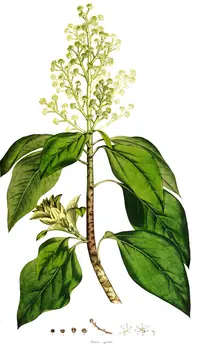
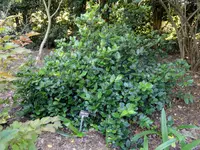
Viburnum suspensum, commonly called sandankwa viburnum, is an evergreen shrub valued for dense foliage and upright, bushy growth. It forms a thick screen or hedge with minimal shaping.

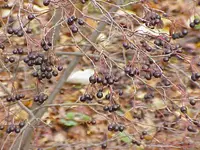
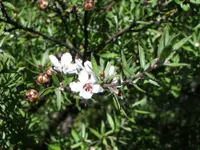
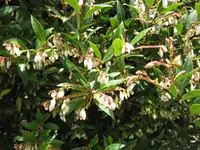
Leaves are glossy, oval, and medium to dark green, creating a solid backdrop for clusters of small pale flowers, followed by red to black berries in suitable climates. It originates from the Ryukyu Islands of Japan and adapts well to warm coastal regions.

This shrub is generally considered easy to grow, with good tolerance of pruning and urban conditions. It prefers sun to light shade, moderately moist, well-drained soil, and benefits from basic knowledge of how to care for viburnum.

Main Plant Requirements

Care Difficulty

Easy Care

Light Preference

Partial Sun

Water Requirements

Moderate Water

Temperature Preference

Warm Climate

Hardiness Zone

8–10

Soil Texture

Sandy, Loamy, Organic-rich

Soil pH

Acidic (5.5–6.5), Slightly acidic (6.5–7.0)

Soil Drainage

Moist but well-drained

Fertilization

Minimal (feed rarely)

Get Personalized Care Plan

Scan your plant to receive care tips personalized for your specific plant

Available on iOS and Android

How to Care for the viburnum

This shrub prefers bright outdoor conditions with some protection from harsh extremes.

  • Provide 4–6 hours of direct sun daily, with morning sun and light afternoon shade ideal in hot summers.
  • Tolerates partial shade (as little as 2–3 hours of direct or strong filtered light), but dense shade reduces flowering and leads to leggy growth.
  • In very hot climates, shield from intense afternoon sun to prevent leaf scorch, and monitor changing light patterns as nearby trees leaf out seasonally.

Watering should keep the root zone moist but never saturated.

  • Irrigate when the top 3–5 cm of soil feels dry, applying a deep soak so water reaches the full root zone, especially during the first 1–2 growing seasons.
  • In summer heat, check soil every few days; in cool or rainy seasons, extend intervals and avoid topping up wet soil to reduce root rot risk.
  • Watch for yellowing, soft leaves as a sign of overwatering, and for dull, curling, or browning leaf edges as a sign Viburnum suspensum is too dry.

This species performs best in mild, frost-free to light-frost climates.

  • Optimal growth occurs around 65–80°F (18–27°C), supporting steady shoot and root development during the main growing season.
  • Mature plants tolerate brief drops to about 15–20°F (-9 to -6°C), but young shrubs are more cold-sensitive and benefit from mulch over the root zone in winter.
  • Heat-tolerant up to about 95°F (35°C) if soil moisture is maintained; prolonged hotter periods increase stress, so reduce pruning and avoid transplanting in peak heat.

This species handles a wide range of outdoor humidity and usually does not need special humidity management.

  • Performs well in 30–70% humidity, typical of most outdoor garden settings in mild to warm climates.
  • Tolerates relatively dry air if soil moisture is consistent, so focus on watering rather than misting.
  • Humidity stress appears mainly as leaf edge browning during hot, dry wind; provide wind protection and maintain even soil moisture.

Viburnum suspensum prefers moderately moist, well-aerated soil that drains freely but does not dry out too fast.

  • Use a loamy structure with a mix of native soil, compost, and a coarse component such as pine bark or sharp sand.
  • Aim for slightly acidic to neutral pH around 6.0–7.0, avoiding strongly alkaline soils that can cause nutrient lockout and chlorosis.
  • Improve drainage by raising the planting area or creating a wide, shallow mound if native soil is heavy clay.
  • Avoid compacted, waterlogged spots where water stands after rain, since prolonged saturation promotes root rot and weak growth.

This shrub can be grown in large containers outdoors if the pot is sized and stabilized correctly.

  • Choose a deep, wide container to allow a broad root system, which helps anchor the plant’s spreading, top-heavy canopy.
  • Select a heavy material such as ceramic or thick-walled resin to reduce tipping risk in wind as the shrub gains height.
  • Position the container where it cannot rock or shift, for example set on level paving or blocks rather than loose soil or gravel.

Healthy Viburnum suspensum shrubs respond well to modest, well-timed feeding in the growing season.

  • Use a balanced slow-release granular fertilizer (such as 10-10-10) in early spring, following label rates at the base of the shrub.
  • Supplement with a thin layer of compost over the root zone once per year to support soil structure and microbes.
  • During late spring and early summer, 1–2 light applications of diluted liquid feed at 1/2 strength can support active growth.
  • Avoid fertilizing in late fall or winter to prevent tender growth; maintain only a compost mulch layer during dormancy.

Thoughtful pruning keeps Viburnum suspensum dense, healthy, and flowering well.

  • Time major pruning for late winter to early spring, before vigorous new growth starts.
  • Use clean, sharp bypass pruners to remove dead, diseased, crossing, or storm-damaged branches back to healthy wood.
  • Lightly thin crowded interior stems to improve airflow and light penetration, maintaining the shrub’s natural rounded form.
  • After flowering, shorten overly long shoots by up to 1/3 of their length to control size without sacrificing next year’s blooms.

This shrub is usually grown in-ground, so focus on careful transplanting rather than frequent repotting.

  • Plan transplanting for late fall or early spring when growth is slow and temperatures are mild.
  • Choose a new site with similar light and well-drained soil; water the root ball thoroughly the day before moving.
  • Dig wide, keeping as much root ball as possible, then replant at the same soil level and firm soil gently around roots.
  • Water deeply and consistently for the first 4–6 weeks, and apply a 5–8 cm mulch ring to limit moisture stress and temperature swings.

Gardeners usually propagate Viburnum suspensum from cuttings or layering for reliable clones of favorite plants.

  • Take 10–15 cm semi-hardwood cuttings in late summer, removing lower leaves and keeping 2–3 nodes.
  • Dip the cut end in rooting hormone, then insert into a sterile, sharply draining mix kept at 70–75°F with high humidity.
  • Provide bright, indirect light and avoid waterlogging until roots form, typically in several weeks.
  • For simple layering in spring, pin a low flexible stem to the soil, cover a section with soil, and sever once well rooted.

In mild climates this evergreen shrub needs only modest winter attention, but colder areas require extra care.

  • Viburnum suspensum performs best in USDA zones 8–10; prolonged drops below about 15°F can damage foliage and young stems.
  • Apply a 5–8 cm mulch layer over the root zone in late fall, keeping mulch a few cm away from the main stems.
  • In exposed sites, use burlap screens or windbreaks to limit desiccating winter winds that can brown leaves.
  • Move container-grown plants into a sheltered, frost-free spot such as an unheated garage or porch during hard freezes.

Care Tips

Evergreen density control

Thin out some interior branches every 2–3 years rather than just shearing the outer surface to keep the shrub dense, reduce disease pressure, and allow light and air into the canopy.

Wind and hedge shaping

When planting as a hedge or screen, stagger plants in a slight zigzag line and lightly tip-prune new growth in the first 2–3 seasons to encourage a thick, wind-tolerant barrier from ground level upward.

Mulch for root protection

Maintain a 5–8 cm layer of bark mulch over the root zone, keeping it 5–8 cm away from the stems, to moderate soil temperature, conserve moisture, and protect shallow feeder roots from heat and drought stress.

Salt and spray management

In coastal or roadside sites, hose off foliage with fresh water after storms or heavy traffic spray and apply mulch regularly to reduce salt buildup that can scorch leaves and weaken the shrub.

Targeted pest monitoring

Inspect the undersides of leaves and interior branches every few weeks in warm seasons for scale insects or sooty mold, and treat early with horticultural oil according to label directions instead of waiting for visible decline when growing viburnum.

Everything About viburnum

Common Pests and Diseases

Viburnum leaf beetle

This pest feeds heavily on leaves in both larval and adult stages, causing skeletonized foliage and sometimes complete defoliation. Symptoms include lace-like leaves, notched edges, and browning that starts in spring and can repeat through summer.

Solution

Prune and destroy egg-laden twigs during winter by cutting out shoots with rows of tiny, dark egg pits near the tips. In spring, handpick larvae and adults, use a strong water spray to knock them off, and, if populations are high, apply a targeted insecticide labeled for leaf beetles to young larvae while monitoring closely as part of broader viburnum care instructions.

Thrips

These insects rasp leaf and flower surfaces and suck out plant juices, leading to distorted new growth, silvery or bronze streaking, and black speckling from droppings. Damage is often most visible on tender new leaves and along leaf veins.

Solution

Remove and discard heavily distorted shoots and spent flowers, then rinse foliage thoroughly with a strong but gentle water spray, focusing on leaf undersides. For persistent populations, use blue or yellow sticky traps to monitor adults and apply insecticidal soap or neem oil, repeating as directed while improving plant vigor with good watering and fertilization practices.

Aphids

These insects cluster on new shoots and leaf undersides and excrete sticky honeydew that can lead to sooty mold growth. Symptoms include curling or puckering of young leaves and the presence of ants farming the honeydew.

Solution

Spray infested shoots with a firm stream of water to remove colonies and prune out the most affected tips if coverage is heavy. For ongoing issues, treat new growth with insecticidal soap or horticultural oil, ensuring thorough coverage of leaf undersides and stems and repeating at 7–10 day intervals as needed.

Powdery mildew

This disease produces white to gray, powdery patches on leaves, especially in shaded or crowded areas with poor airflow. Symptoms include dull, mottled foliage, distorted new growth, and premature leaf drop in severe cases.

Solution

Increase air circulation by thinning nearby vegetation and selectively pruning dense interior branches, and avoid overhead watering late in the day. Remove and discard badly infected leaves, and if disease pressure remains high, apply a labeled fungicide for powdery mildew, treating new growth and repeating per product directions.

Botryosphaeria dieback

This disease causes gradual dieback of twigs and branches, often starting on water-stressed plants, with leaves turning dull, then brown, and remaining attached on dead stems. Symptoms include dark, sunken cankers on stems where bark may crack or ooze slightly.

Solution

Prune out affected branches 15–20 cm below visible dieback and disinfect pruning tools between cuts with alcohol or a 10% bleach solution. Reduce plant stress by maintaining consistent soil moisture, mulching to protect roots, and avoiding heavy pruning or high-nitrogen fertilizer, which lowers susceptibility to further infection.

Interesting Facts

Evergreen in mild winters

This species keeps its thick, oval leaves year-round in warm climates, but can partially defoliate or thin out in unusually cold winters, then refoliate from its woody stems when temperatures rise again.

Naturally dense branching

It forms a very tight, many-branched framework without heavy pruning because its short internodes and multiple lateral shoots create a compact, screening shrub rather than an open, arching form typical of many other viburnums.

Fragrant tube-shaped flowers

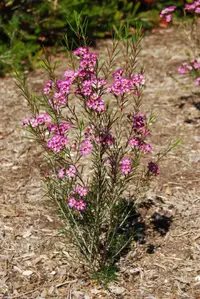
The small pale pink to white flowers are produced in clusters and have tubular corollas that attract bees and other pollinating insects, supporting urban biodiversity when used as a hedge or foundation shrub.

Botan icon

Did you know?

This species is native to the Ryukyu Islands of southern Japan and nearby coastal regions, where it naturally grows on warm, humid slopes and coastal hillsides, which helps explain its strong tolerance for heat, humidity, and salt-laden wind in cultivated landscapes.

FAQs about viburnum

Flowering is reduced by heavy pruning at the wrong time, deep shade, excess nitrogen fertilizer, or stress from drought or root damage. Prune only right after flowering, avoid overfeeding, and maintain steady moisture to restore normal bud formation.

Grow Healthy Plants with Botan Care

Keep your plants happy and healthy with plant identification, disease detection, and easy care guidance.

Botan plant care app — identify plants on mobile

Explore More Plants