

3 min read · 13 Nov 2026
15 Best Indoor Plants for Your Home
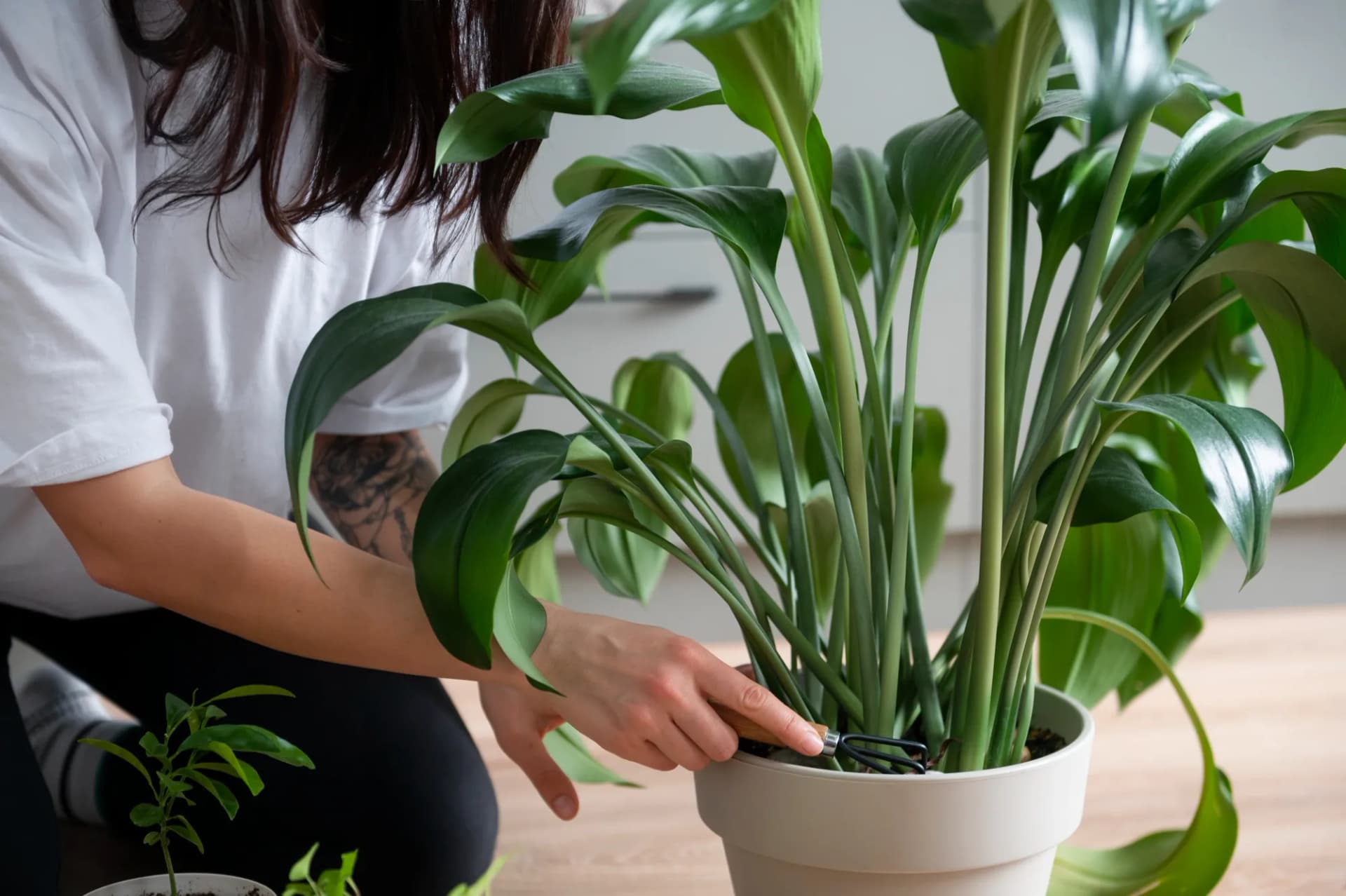
Every plant lover has a small graveyard behind them. Here is the twist... most of those plants did not die from bad care.
Plant Recommendations


Viburnum suspensum grows best in loose, moisture-retentive but well-drained soil that supports steady root growth and good overall plant health.

Soil Texture
Sandy, Loamy, Organic-rich

Soil pH
Acidic (5.5–6.5), Slightly acidic (6.5–7.0)

Soil Drainage
Moist but well-drained
Native to Taiwan and the Ryukyu Islands of Japan, Viburnum suspensum grows in warm, humid conditions where soil stays evenly moist but does not remain soggy. That background explains why viburnum soil should hold some moisture while still allowing steady airflow around the roots.
A sandy or loamy texture enriched with organic matter suits its fibrous root system, which benefits from both oxygen and consistent moisture. Slightly acidic to near-neutral soil supports healthy root function, making this balance the best soil for viburnum in gardens and containers.
A simple homemade mix can give Viburnum suspensum the balance of airflow and moisture retention it prefers in containers or planting beds.
The finished mix should feel light, slightly springy, and rich enough to stay evenly damp while excess moisture moves through without pooling.
A slightly acidic to acidic range of about 5.5–7.0 suits viburnum well. Within that range, key nutrients stay more available to the roots, which supports balanced growth and normal leaf development.
If soil drifts too far above neutral, some nutrients become harder for the plant to take up even when they are present. A mildly acidic mix is usually the most reliable choice.
Soil issues often show up slowly in this shrub, so small changes are worth checking early around Viburnum suspensum root zones.
Dense soil can limit air around roots and slow growth; gently loosen the surface and work in coarse organic material to improve structure.
If the root area stays heavy for long periods, roots may struggle; check drainage first and reduce any material that keeps the mix soggy.
Very peaty or old soil can repel moisture and leave sections bone dry; re-wet the mix gradually so it absorbs evenly again.
As soil ages, it can shrink and settle into a tighter layer; refresh the top portion with new material to restore a better texture.

Plant Soil Guide
Find the right soil mix for your plant and support healthier root growth
Botan helps match this plant with a soil setup that fits its root habits, drainage needs, and growing conditions.
Yes. A pot with moderate depth supports a more stable root zone and more even moisture than a very shallow container, which tends to dry faster and limits root spread.
Use Botan’s photo-based assessment to check whether soil conditions could be part of what the plant is showing above the surface.

3 min read · 13 Nov 2026
Every plant lover has a small graveyard behind them. Here is the twist... most of those plants did not die from bad care.
11 min read · 20 Jul 2026
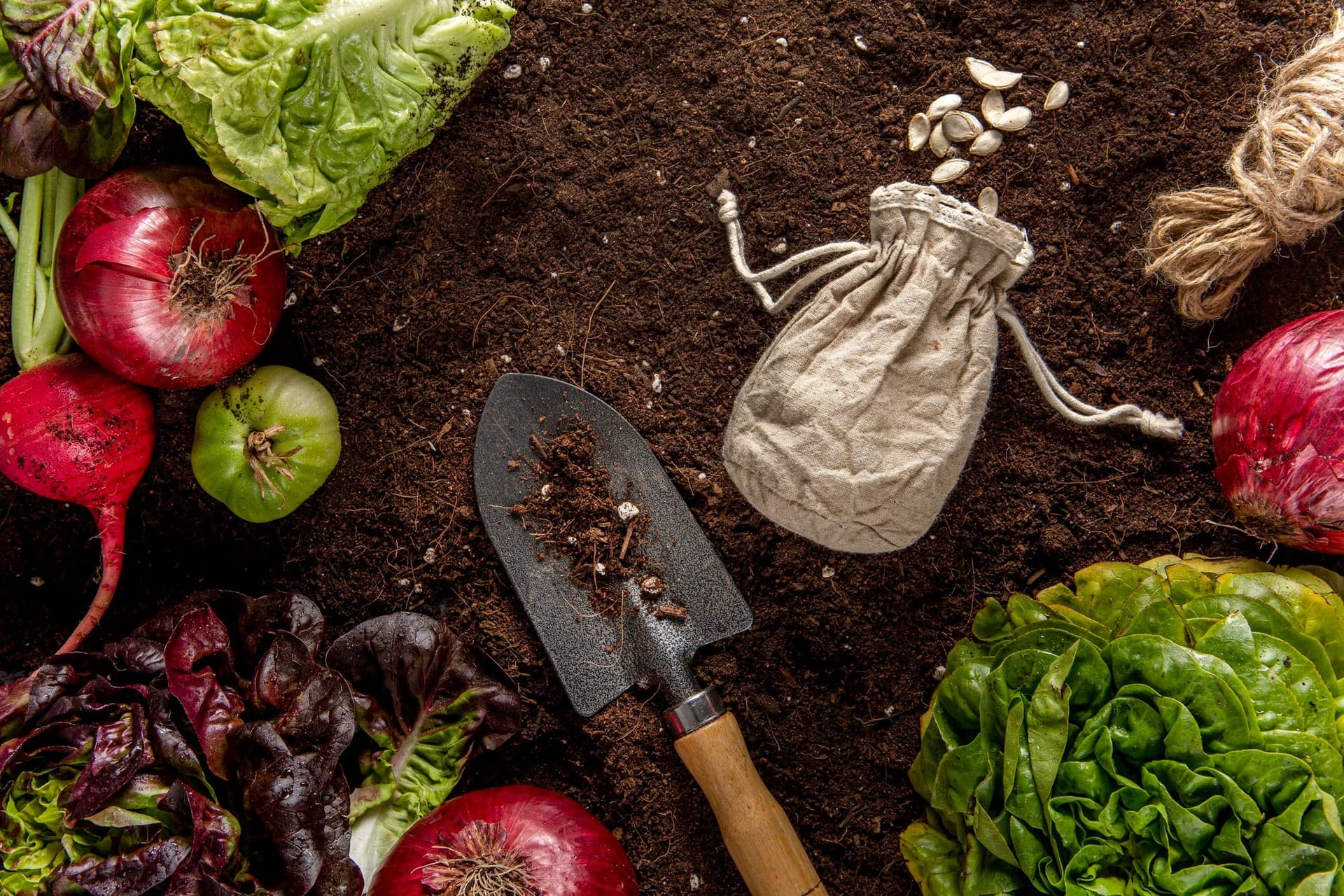
Here, you’ll find the right fertilizer formula for vegetables in your garden. Learn how to adjust feeding correctly throughout the growing cycle, spot nutrient deficiencies by their symptoms, and keep your plants healthy and prolific.
6 min read · 19 Aug 2026
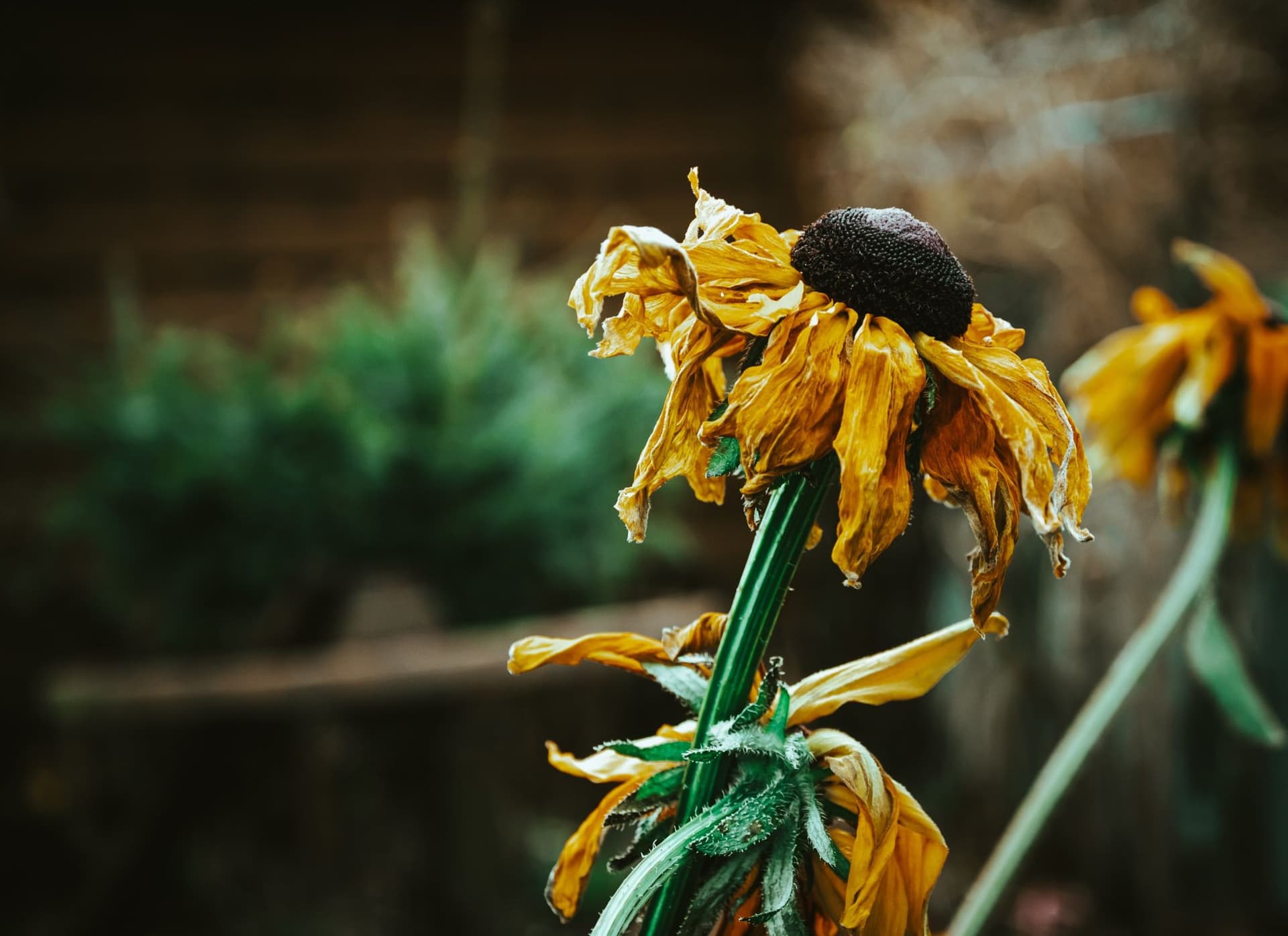
A plant can lose its leaves, stop growing, or collapse and still remain alive. A closer look at the stems, roots, bulbs, and tubers can show whether the plant still has a chance to recover.