

Magnolia (Magnolia 'Jane') Watering Guide

This page outlines when, how often, and how much to water Magnolia for practical, consistent care.

Water Requirements

Regular Water

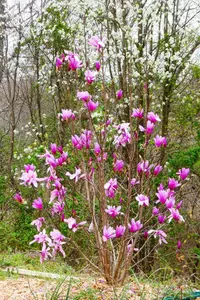
Magnolia 'Jane' Watering

This deciduous shrub comes from temperate regions with moderate, seasonal rainfall, so it favors steady but not excessive moisture. Magnolia 'Jane' grows best in soil that stays slightly moist, never parched or waterlogged, supporting healthy root and flower development.

For watering Magnolia in garden beds, aim for a consistent, gentle rhythm that matches local weather. Container-grown plants usually need closer monitoring, since pots dry faster than in-ground soil, but the overall moisture goal remains the same.

Let the top 1–2 inches (3–5 cm) of soil dry before watering a Magnolia ‘Jane’ again. In the ground, this hybrid shrub typically needs water about once a week during its first growing season, with intervals shortening in hot, dry weather and lengthening in cool or rainy conditions.

Water Magnolia ‘Jane’ when the top 2-3 inches of soil feel dry, soaking the root zone slowly and evenly.

  • Use a hose with a gentle flow at soil level, circling the base instead of spraying the canopy directly.
  • Apply enough water to moisten soil 8-12 inches deep, then stop once the area feels evenly damp, not soggy.
  • Keep water a few inches from the trunk flare, focusing on the wider drip-line where most absorbing roots grow.
  • Allow excess water to drain away from the planting area, improving runoff paths so water does not pool around roots.

Incorrect moisture levels can stress Magnolia 'Jane', reducing vigor and flowering over time.

Yellowing Leaves:

Older foliage turns pale and drops prematurely, commonly from persistently soggy soil and poor drainage.

Wilting Foliage:

Leaves droop and feel limp despite damp soil, suggesting root stress from prolonged waterlogging.

Brown Leaf Edges:

Crisp margins and tip burn often follow repeated drought cycles and shallow, infrequent watering.

Mushy Roots:

Roots appear brown and soft during inspection, typically indicating chronic overwatering and anaerobic soil conditions.

Maintain evenly moist, well-drained soil, avoiding extended dryness or prolonged saturation around the root zone.

Unsuitable watering habits can leave Magnolia 'Jane' stressed, slowing growth and flower production even when light and fertilizer seem correct.

  • Following a rigid schedule: Watering by calendar instead of checking soil moisture risks extremes; instead, water when the top few inches feel dry to the touch.
  • Using heavy, dense soil: Planting in poorly draining soil keeps roots saturated; choose a loose, compost-rich mix that lets excess water move away quickly.
  • Letting containers hold water: Keeping pots without drainage holes or leaving standing water in saucers drowns roots; empty runoff and use freely draining containers.

Aim for deep, occasional watering into a well-draining mix, guided by soil moisture rather than fixed dates or container convenience.

  • Spring: As buds swell and leaves emerge, keep soil consistently moist but not soggy, easing off slightly after flowering finishes.
  • Summer: In hot or windy periods, water deeply when the top few inches feel dry, focusing on slow soaks over frequent light sprinkling.
  • Fall: Gradually reduce watering as growth slows, keeping the root zone lightly moist during dry spells to support root and bud development.
  • Winter: Once fully dormant, water sparingly, providing moisture only during extended dry, frost-free periods when soil is not frozen.

Your Magnolia Care Companion

Use Botan for a simple watering guide and practical care steps for Magnolia ‘Jane’. The app can also review plant photos to help identify early signs of stress or problems.

Botan plant care app — identify plants on mobile

FAQ

Water immediately after transplanting to settle soil around the roots, then keep the root zone evenly moist for the first 2–4 weeks. Check the top 2–3 inches of soil often and avoid waterlogged conditions.

More Plant Watering Guides

Is Your Watering Routine Hurting Your Magnolia?

Use Botan to review your watering habits and adjust them with more confidence.

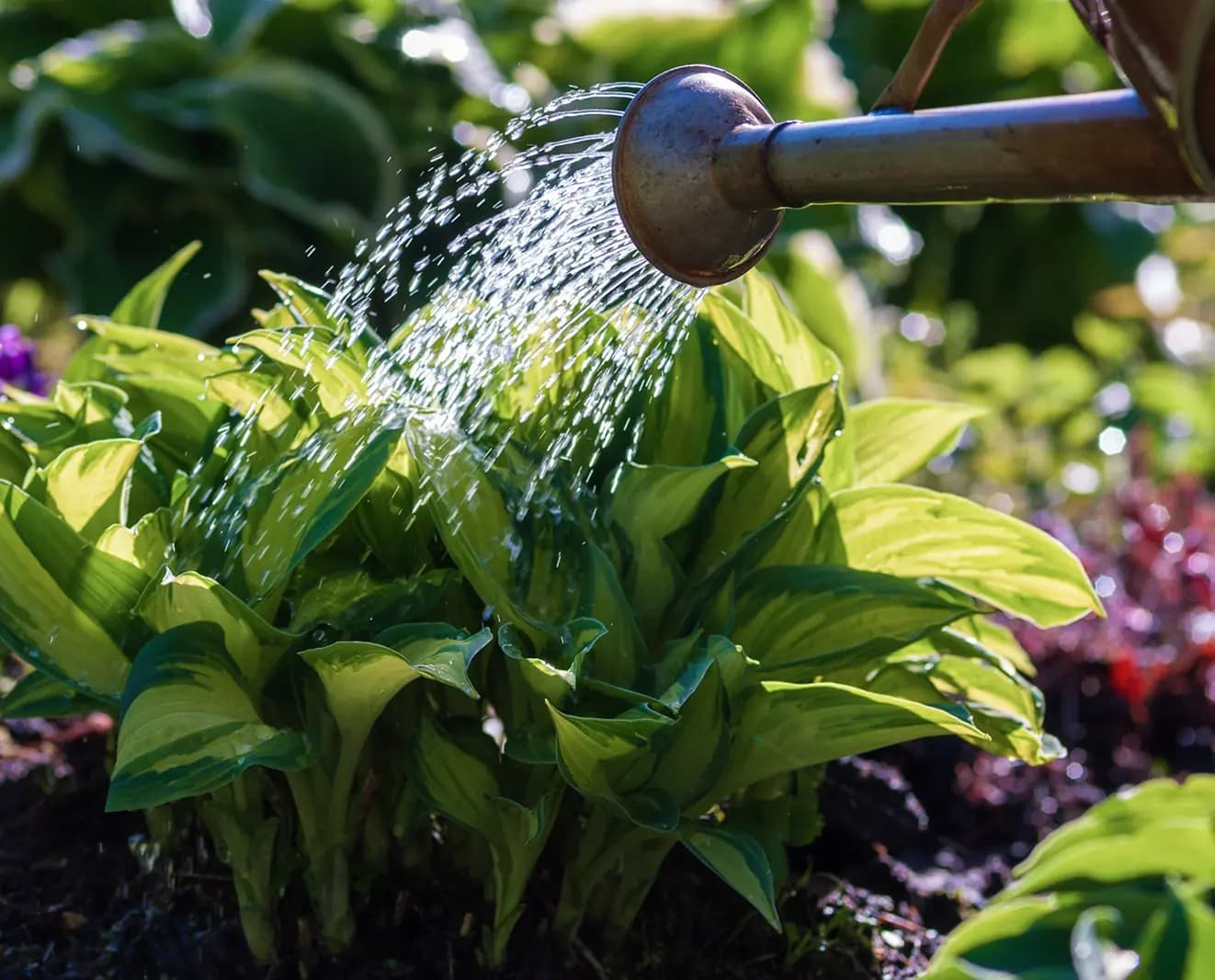
Watering a plant with a copper watering can
Banana Peel Water for Plants: 5 Things to Know Before Trying It

5 min read · 9 Jul 2026

Banana Peel Water for Plants: 5 Things to Know Before Trying It

Banana water can provide potassium and some nutrients that may support plant growth, but it is not a universal fix. Use it carefully and only when the plant actually shows signs of nutrient deficiency rather than as a routine treatment.

Plant Care
Banana Peel Water for Plants: 5 Things to Know Before Trying It
How to Clean Plant Leaves: A Simple Care Guide

6 min read · 4 Aug 2026

How to Clean Plant Leaves: A Simple Care Guide

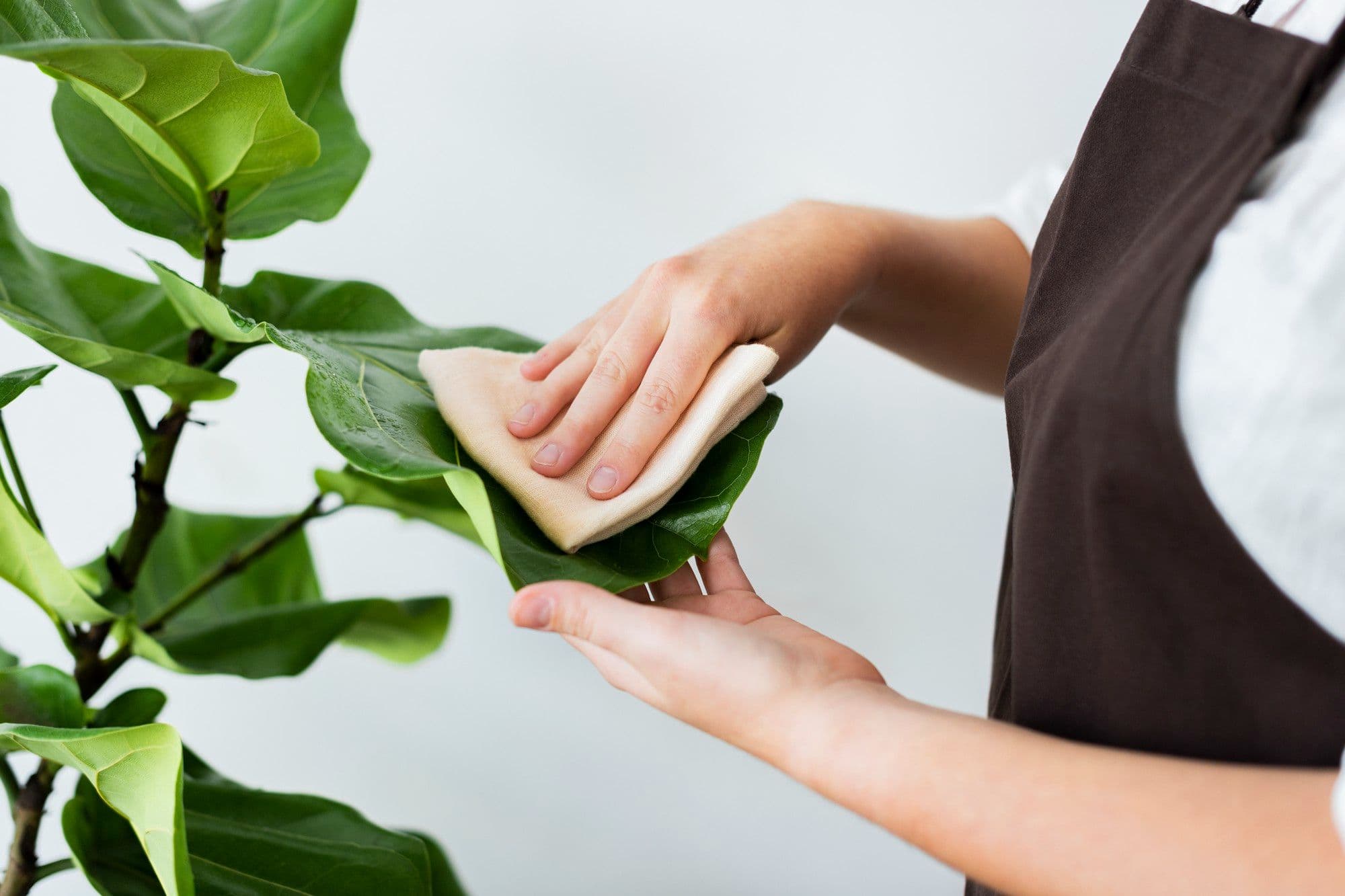
Dusty leaves look dull and don't absorb light well. Below, you'll find simple ways to clean them, which tools are truly effective, how often you should do it, and what causes damage.

Beginner Guides
How to Clean Plant Leaves: A Simple Care Guide
Dill Companion Plants – What to Grow Next to Dill

9 min read · 17 Jul 2026

Dill Companion Plants – What to Grow Next to Dill

Dill is an easy-to-grow plant that gets along well with many vegetables. This guide describes 15 plants that can be planted alongside it, a few to avoid, and mistakes that can quietly sabotage the entire process.

Plant Recommendations
Dill Companion Plants – What to Grow Next to Dill