


Best Soil for Panicled Hydrangea (Hydrangea paniculata)

Hydrangea paniculata grows best in loamy, moisture-retentive soil with good drainage and a slightly acidic reaction to support steady root health.

Soil Texture

Loamy, Clay, Organic-rich

Soil pH

Acidic (5.5–6.5), Slightly acidic (6.5–7.0)

Soil Drainage

Moist but well-drained

Hydrangea paniculata Soil Guide

Native to China, Japan, Korea, and the Russian Far East, Hydrangea paniculata grows in woodland edges and mountain slopes where soil stays evenly moist but drains freely. That background explains its preference for loamy, organic-rich ground that holds water without becoming stagnant.

The best soil for Panicled Hydrangea has a loose, moisture-retentive structure with enough mineral content to support steady root growth. Its fibrous root system benefits from aeration near the surface, so slightly acidic to mildly acidic soil with good structure helps roots take up water consistently.

A simple custom mix helps balance moisture retention and airflow for Hydrangea paniculata in containers or amended planting areas.

100% total mix = 20 scoops
10%
perlite or pumice2 scoops
20%
coarse sand or pine bark4 scoops
30%
compost or well-aged bark fines6 scoops
40%
high-quality loam-based garden soil8 scoops

The finished mix should feel crumbly, slightly weighty, and easy to squeeze apart, with water moving through steadily rather than racing through or pooling.

A good target for Panicled Hydrangea is about 5.5–7.0 pH, with the strongest performance often in slightly acidic soil. This range keeps key nutrients such as iron, manganese, and phosphorus reasonably available to the roots.

It can tolerate a mildly broader swing than some hydrangeas, but strongly alkaline conditions may reduce nutrient uptake over time. Checking pH is most useful when growth seems uneven despite otherwise suitable care.

Most soil issues develop gradually, so early adjustments usually help. Panicled Hydrangea may struggle when the root zone stays either too dense or too dry for long periods.

Compacted soil:

Heavy, pressed-down soil can limit air around roots; gently loosen the surface and add organic matter to improve structure over time.

Poor drainage:

If the root area stays soggy long after watering or rain, improve drainage first by reducing density and checking that excess water can escape.

Dry, hydrophobic mix:

When soil shrinks from the sides or water runs off the top, rewet it slowly in stages until it absorbs evenly again.

Low organic matter:

Thin, depleted soil often dries too fast and supports weaker growth; mix in composted material to help hold moisture more consistently.

Get the Soil Right

Botan helps match this plant to a suitable soil setup, so mix, texture, and drainage are easier to judge before problems build up.

FAQ

Yes. A deeper pot gives the fibrous root system more room to spread into a stable moisture zone, which helps the mix dry more evenly from top to bottom.

Everything About Panicled Hydrangea

More Plant Soil Guides

Could It Be the Soil?

If growth looks off, soil may be one factor worth checking. Botan’s photo-based assessment can help point to likely causes.

Botan app helping with soil and plant care
Can Plants Grow With Artificial Light?

6 min read · 15 Sept 2026

Can Plants Grow With Artificial Light?

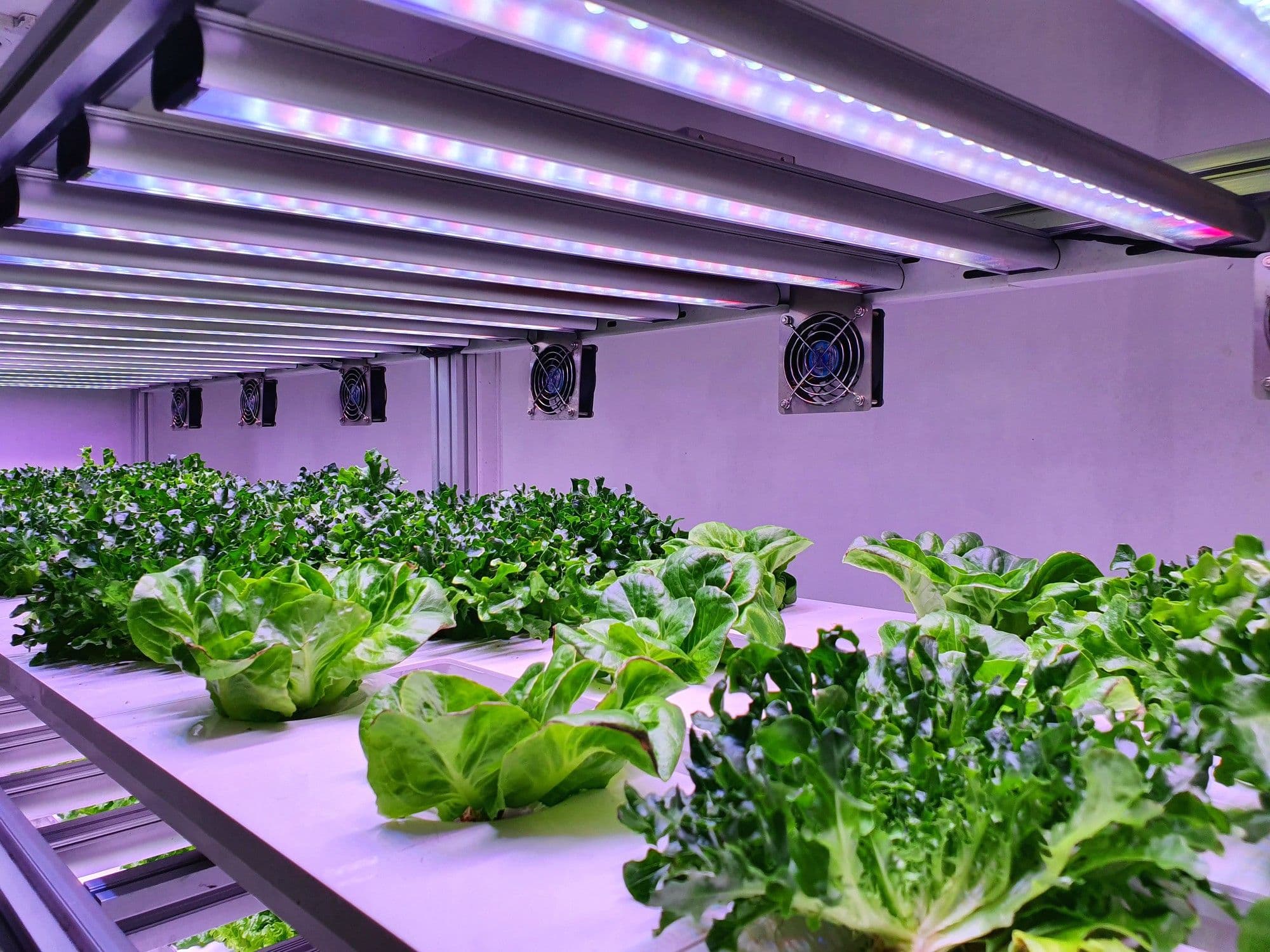
Plants can grow under artificial light when the setup provides a suitable spectrum, enough intensity, and sufficient daily exposure. This guide explains how artificial lighting compares with sunlight, which options work indoors, and how to match a setup to houseplants.

Plant Care
Can Plants Grow With Artificial Light?
What Plants Don't Like Epsom Salt?

11 min read · 29 Jul 2026

What Plants Don't Like Epsom Salt?

Learn which plants can be seriously damaged by Epsom salt and which will thrive on it. We’ll explain when and how to use it properly, provide tips for indoor & outdoor plants — read on and enjoy a healthy garden.

Plant Care
What Plants Don't Like Epsom Salt?
Banana Peel Water for Plants: 5 Things to Know Before Trying It

5 min read · 9 Jul 2026

Banana Peel Water for Plants: 5 Things to Know Before Trying It

Banana water can provide potassium and some nutrients that may support plant growth, but it is not a universal fix. Use it carefully and only when the plant actually shows signs of nutrient deficiency rather than as a routine treatment.

Plant Care
Banana Peel Water for Plants: 5 Things to Know Before Trying It