


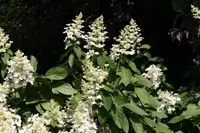



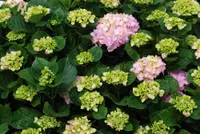

Panicled Hydrangea (Hydrangea paniculata) Light Needs

Panicled Hydrangea grows best in full sun to partial sun, with protection from harsh late-day heat.

Light Preference

Partial Sun

Hydrangea paniculata Light Requirements

Hydrangea paniculata is native to eastern Asia, where it occurs along woodland margins, thickets, and open slopes. These sites receive strong seasonal light, often with direct sun for part of the day and some shelter from surrounding vegetation. In gardens, this background explains its better flowering in open exposure, especially where heat is moderated. Preferred light is full sun to partial sun.

  • Ideal exposure:

    Panicled Hydrangea needs about 6–8 hours of full sun to partial sun daily, including roughly 4–6 hours of direct sun.

  • Full sun:

    All-day sun is tolerated best in cooler or moderate climates, especially when exposure increases gradually.

  • Afternoon heat:

    In hot summer areas, morning sun with light afternoon shade reduces scorch risk.

  • Lower light:

    Less than 4 hours of direct sun often leads to fewer flowers and weaker stems.

Strong sun is most risky during hot afternoons or after a sudden move into brighter exposure.

Bleached patches:

Sun-stressed leaves may develop pale, tan, or papery spots on the side facing the strongest light.

Crisp exposed tissue:

Scorched areas often appear on upper or outer leaves rather than shaded inner growth.

Flower browning:

Panicles can brown earlier on the sun-facing side when heat and direct light are intense.

Midday curling:

Leaves may curl or cup during the brightest hours, then look better later in the day.

Move container-grown plants to a site with morning sun and afternoon shade. For planted shrubs, add temporary shade while new growth acclimates to stronger light.

Low light usually shows first as weak growth and reduced flowering during the active season.

  • Few flowers:

    Flower clusters may be sparse or smaller when the plant receives less than about 4 hours of direct sun.

  • Leaning stems:

    New shoots may angle toward the brightest side instead of growing evenly.

  • Longer spacing:

    Stems can look stretched, with wider gaps between leaf pairs on newer growth.

  • Small new leaves:

    Fresh growth may stay smaller and thinner than growth produced in brighter exposure.

Shift container-grown plants into a brighter outdoor site with morning sun. If planted in shade, consider relocating during the dormant season to a sunnier position.

Choose the brightest site that avoids the hottest late-afternoon sun if the garden cannot provide all-day sun. Prioritize morning sun, because it supports flowering with less heat stress.

Before planting, watch the site for a full day and pick a spot receiving at least 4–6 hours of direct sun. Remove shade-producing obstacles where possible if they block morning light.

Deep shade beside buildings is unsuitable because it reduces bloom production and encourages thin stems.

Get Personalized Care Plan

Scan your plant to receive care tips personalized for your specific plant

FAQ

The best light is full sun to partial sun. For Panicled Hydrangea sunlight requirements, aim for bright outdoor exposure with several hours of direct sun, especially in the morning.

Everything About Panicled Hydrangea

More Plant Light Guides

Get the Botan App

Discover how to care for your plants with Botan.

Botan app identifying a plant with a phone camera
Banana Peel Water for Plants: 5 Things to Know Before Trying It

5 min read · 9 Jul 2026

Banana Peel Water for Plants: 5 Things to Know Before Trying It

Banana water can provide potassium and some nutrients that may support plant growth, but it is not a universal fix. Use it carefully and only when the plant actually shows signs of nutrient deficiency rather than as a routine treatment.

Plant Care
Banana Peel Water for Plants: 5 Things to Know Before Trying It
Can Plants Grow With Artificial Light?

6 min read · 15 Sept 2026

Can Plants Grow With Artificial Light?

Plants can grow under artificial light when the setup provides a suitable spectrum, enough intensity, and sufficient daily exposure. This guide explains how artificial lighting compares with sunlight, which options work indoors, and how to match a setup to houseplants.

Plant Care
Can Plants Grow With Artificial Light?
10 Easy Garden Flowers to Grow

8 min read · 10 Sept 2026

10 Easy Garden Flowers to Grow

Discover 10 garden flowers that require minimal care. Learn which characteristics make plants easy to grow and follow tips on how to create a beautiful corner from beginner-friendly blooms on your property.

Beginner Guides
10 Easy Garden Flowers to Grow