

7 min read · 24 Aug 2026
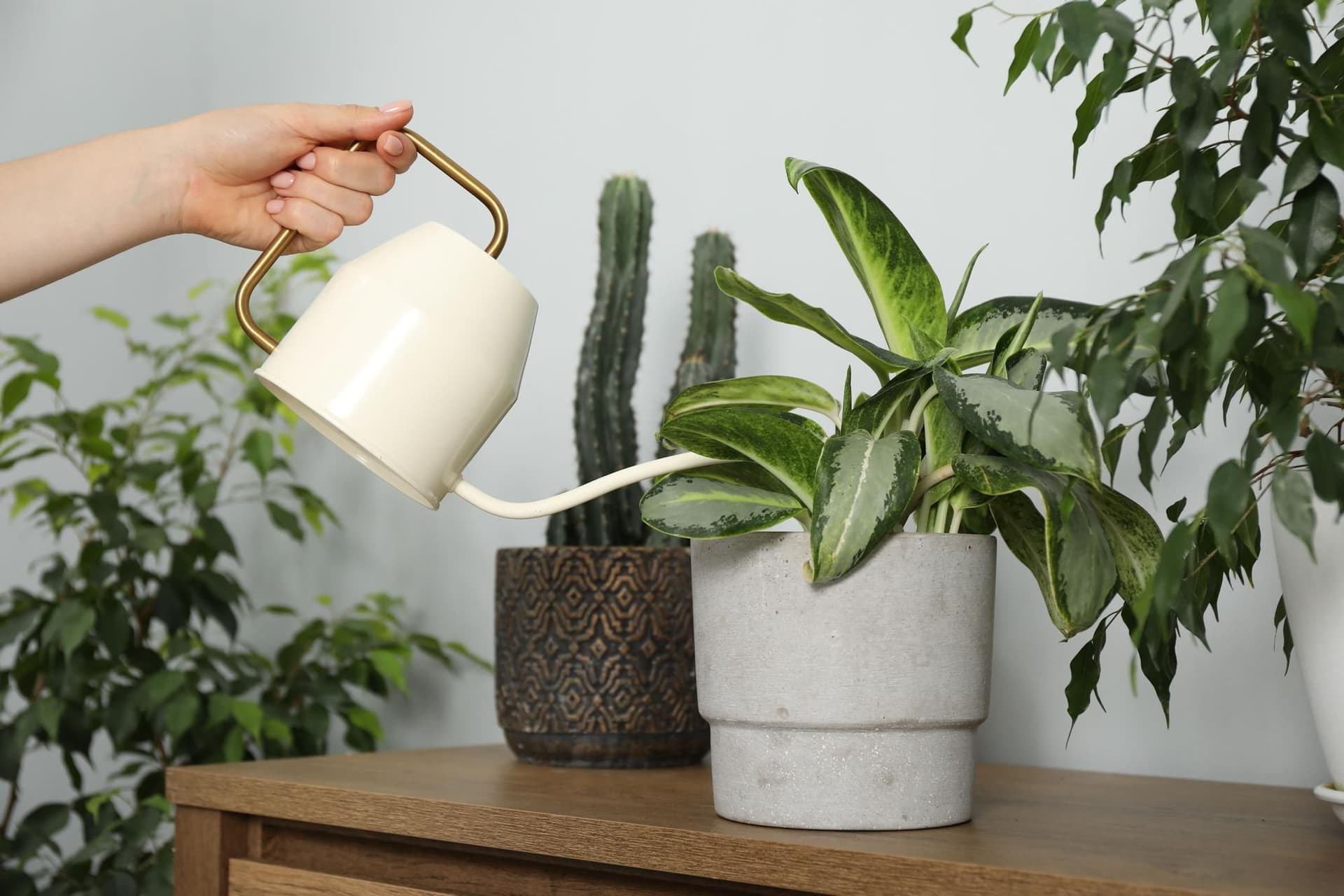
How to Water Houseplants: Watering Guide
Learn how often to water indoor plants, key factors for proper watering, and how to adjust the care routine by plant type, season, pot size, light, and indoor conditions.
Plant Care


Toro grows best in partial shade or filtered light, with some gentle direct sun when acclimated.

Light Preference
Partial Shade
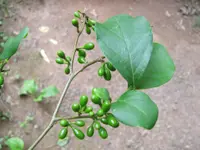
In its native New Zealand habitat, Myrsine salicina grows as a forest and forest-margin shrub or small tree, where light shifts from dappled shade to open sun at edges and clearings. Young plants often develop under filtered canopy light, while established plants can handle brighter exposure. This background explains its flexibility in cultivation. Preferred light is partial shade or filtered light with gentle direct sun.
Ideal exposure: Toro needs about 6–8 hours of bright filtered light or partial sun daily, including about 2–4 hours of direct morning sun.
Established plants can tolerate 6+ hours of direct sun outdoors, especially in mild climates, after gradual acclimation.
It tolerates shade, but deep shade can lead to thinner growth and smaller new leaves over time.
Morning sun is safer than hot afternoon sun, particularly after a move from a shaded position.
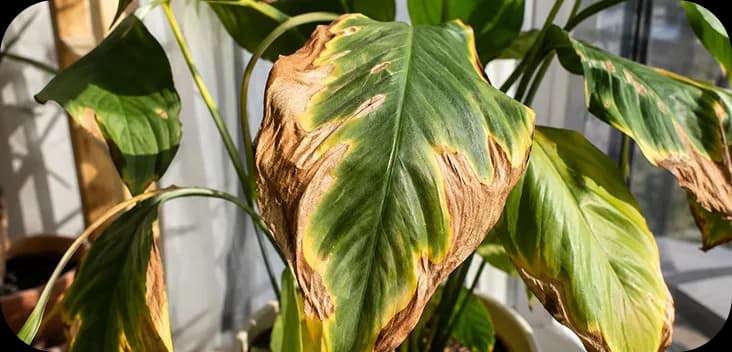
Excess light usually shows first on the most exposed leaves.
Sun-stressed leaves may develop pale tan or gray areas where direct rays hit the leaf surface.
Hot afternoon exposure can leave dry brown margins, especially after a sudden move into brighter sun.
Damage is often strongest on the south or west side while shaded inner leaves remain normal.
Leaves may look dull or slightly curled during peak sun when light and heat are both high.
Move the plant to partial shade or add overhead filtering. If increasing sun again, do it gradually over 1–2 weeks.
Low light tends to change the plant’s shape before it causes obvious leaf damage.
New shoots may lengthen as the plant reaches toward brighter open light.
Leaves may sit farther apart along the stems, giving growth a looser look.
The inner canopy can become thin because shaded older growth receives too little light.
Fresh growth may stay smaller than normal during the active growing season.
Move it to brighter filtered light or a position with gentle morning sun. Make the change in stages if the plant has been shaded for a long time.
If the ideal site is unavailable, choose partial shade with morning sun rather than deep shade or harsh afternoon exposure. This gives enough energy while reducing scorch risk.
Improve an existing spot by lifting or thinning overhead cover, or by moving the plant a few feet toward brighter open sky.
Avoid dense, all-day shade; it usually produces thin, open growth and smaller new leaves.
Too Much Sun?
Check if your plant gets too much direct sunlight and improve its placement
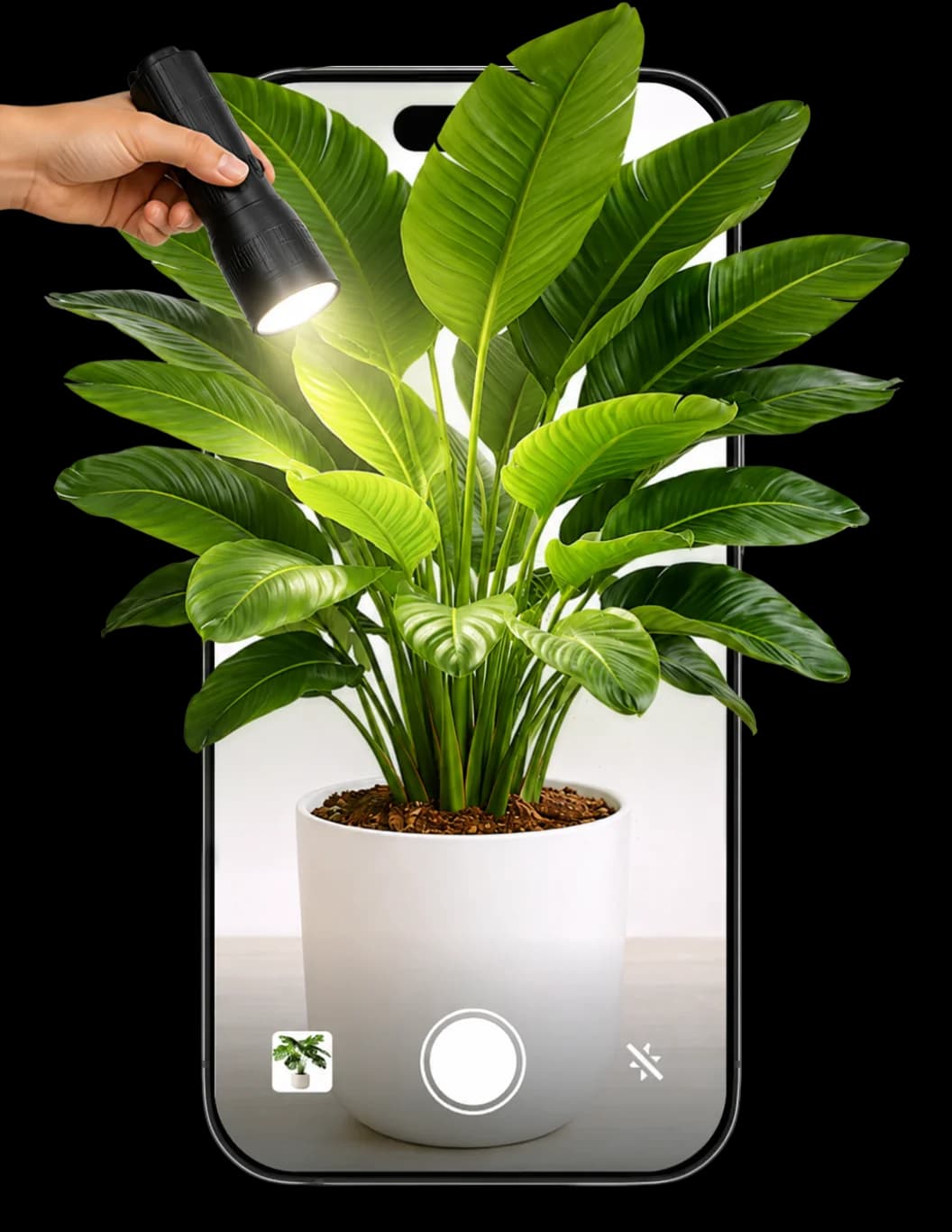
Scan your plant to receive care tips personalized for your specific plant
This plant does best in partial shade, filtered light, or partial sun. It can handle brighter exposure outdoors if introduced gradually and protected from abrupt changes.
Discover how to care for your plants with Botan.
7 min read · 24 Aug 2026
Learn how often to water indoor plants, key factors for proper watering, and how to adjust the care routine by plant type, season, pot size, light, and indoor conditions.

5 min read · 9 Jul 2026
Banana water can provide potassium and some nutrients that may support plant growth, but it is not a universal fix. Use it carefully and only when the plant actually shows signs of nutrient deficiency rather than as a routine treatment.
7 min read · 6 Aug 2026
Summer seeding succeeds when the grass type suits the season, and the soil stays moist. Find out how to prepare the seedbed and choose a safe window for planting.