


Magnolia (Magnolia 'Jane') Light Needs

Magnolia grows best in full sun, with partial sun tolerated where afternoon heat is intense.

Light Preference

Full Sun

Magnolia 'Jane' Light Requirements

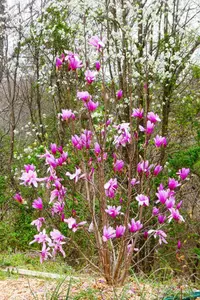
Magnolia 'Jane' is a cultivated hybrid, so it does not have a single wild native habitat. Its light response reflects temperate deciduous shrubs and small trees that flower best with open sky and seasonal sunlight before the canopy is fully dense. In gardens, it handles partial sun, but heavy shade reduces bud production and weakens growth. Preferred light is full sun to partial sun.

  • Ideal exposure:

    Magnolia 'Jane' needs about 6–8 hours of sunlight daily, ideally full sun, including at least 4–6 hours of direct sun.

  • Direct sun:

    Established plants tolerate full sun well when roots are cool and soil is not heat-stressed.

  • Partial sun:

    Four to 6 hours of sun can work, but flowering is usually lighter than in fuller exposure.

  • Harsh heat:

    In hot inland sites, morning sun with light afternoon shade can reduce leaf scorch risk.

Strong sun usually causes visible damage on the most exposed growth.

Scorched patches:

Dry tan or brown areas may appear on leaf surfaces facing harsh afternoon sun, especially after sudden exposure.

Bleached foliage:

Leaves can look pale or washed out where direct sun and reflected heat are strongest.

Curled leaves:

Hot, intense light may cause leaves to curl slightly during the brightest part of the day.

Bud stress:

Flower buds on exposed branch tips may dry or fail to open well after repeated hot sun.

Reduce stress by adding light afternoon shade, moving a container to gentler sun, or using temporary shade cloth during heat waves. Keep future exposure gradual after pruning or relocation.

Low light most often shows up as weak growth and reduced bloom.

  • Few flowers:

    The plant may form fewer flower buds when it receives less than several hours of direct sun.

  • Long internodes:

    New shoots may stretch with wider gaps between leaves as they reach toward brighter areas.

  • Leaning growth:

    Branches can angle toward open sky when nearby structures or overhead shade block sun.

  • Small new leaves:

    Active-season growth may stay smaller and thinner than normal in a shaded site.

Improve conditions by choosing a brighter planting site or reducing overhead shade. A move from deep shade to full sun should be gradual when possible.

Choose a site with morning sun and early afternoon light if all-day sun is not available; this is the best compromise for steady flowering.

Thin nearby overhead growth if shade increases over time, and keep new structures from blocking the brightest part of the day.

Avoid planting against a shaded north-facing wall because the site will not provide enough direct sun for reliable bloom.

Get Personalized Care Plan

Scan your plant to receive care tips personalized for your specific plant

FAQ

The best light for Magnolia is full sun, about 6–8 hours of sunlight daily. Partial sun can work, but flowering is usually stronger with more exposure.

Everything About Magnolia

More Plant Light Guides

Get the Botan App

Discover how to care for your plants with Botan.

Botan app identifying a plant with a phone camera
15 Best Scary Halloween Plants and Fungi for a Spooky Garden

8 min read · 9 Oct 2026

15 Best Scary Halloween Plants and Fungi for a Spooky Garden

Want a garden that looks eerie in October? Here are 15 Halloween plants and fungi, from carnivorous traps to bleeding mushrooms. For each species, we cover its appearance, care requirements, and potential uses in your landscape.

Plant Recommendations
15 Best Scary Halloween Plants and Fungi for a Spooky Garden
What Plants Don't Like Epsom Salt?

11 min read · 29 Jul 2026

What Plants Don't Like Epsom Salt?

Learn which plants can be seriously damaged by Epsom salt and which will thrive on it. We’ll explain when and how to use it properly, provide tips for indoor & outdoor plants — read on and enjoy a healthy garden.

Plant Care
What Plants Don't Like Epsom Salt?
How to Mist Plants – Proper Technique and Common Mistakes

7 min read · 30 Jul 2026

How to Mist Plants – Proper Technique and Common Mistakes

Find out when misting works well and when to avoid it. Here, you’ll find detailed information about compatible and incompatible species, tips on how often to mist plants and do it correctly, and some great alternatives for raising humidity.

Beginner Guides
How to Mist Plants – Proper Technique and Common Mistakes