

Broom (Cytisus scoparius) Light Needs

Broom grows best in full sun, with at least 6 hours of direct sunlight on most days.

Light Preference

Full Sun

Cytisus scoparius Light Requirements

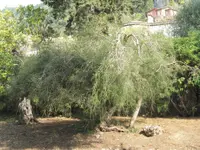
Cytisus scoparius is native to parts of western and central Europe, where it commonly grows in open heathland, scrub, roadsides, and other exposed, well-drained sites. These habitats give it strong direct sun and little overhead shade for much of the growing season, rather than filtered canopy light.

That open exposure explains its cultivated light needs. For best growth and flowering, Broom prefers full sun.

  • Ideal exposure:

    Broom needs about 6–8 hours of full sun daily, including at least 6 hours of direct sun when grown outdoors.

  • Direct sun:

    Established plants tolerate long direct exposure, including afternoon sun, if they were grown in it gradually.

  • Partial sun:

    Partial sun is tolerated, but flowering and dense growth usually improve with more direct light.

  • Shade risk:

    Shade is not suitable because stems can stretch and flowering often declines in dim sites.

Excess light damage is most likely after sudden exposure or reflected heat.

Bleached patches:

Pale, dry patches may appear on the most exposed small leaves or green stems after abrupt sun increase.

Crisp shoot tips:

Tender tips can dry or brown when strong afternoon sun follows a shaded growing period.

Fast flower fading:

Blooms may fade quickly during very hot, bright spells, especially near pavement or walls.

One-sided stress:

Damage limited to the sun-facing side points more toward sun or heat stress than general decline.

Move the plant to a site with morning sun and light afternoon shade, or reduce reflected heat. Reintroduce stronger sun over 1–2 weeks.

Low light shows mostly in growth shape and flowering. It is not a good shade plant.

  • Fewer flowers:

    Bud set and bloom can be sparse when the plant receives only weak or brief sun.

  • Long stems:

    New shoots may become longer, thinner, and less sturdy as they reach toward brighter exposure.

  • Open growth:

    Spacing between shoots can widen, leaving the shrub looking loose instead of dense.

  • Leaning habit:

    Growth may angle toward the brightest side, especially when nearby structures cast shade.

  • Small new growth:

    Active-season growth may stay smaller than expected when light remains limited.

Shift Cytisus scoparius to the brightest available outdoor position with 6+ hours of direct sun. Increase exposure gradually if it has been shaded.

Choose the sunniest outdoor position available. If all-day sun is not possible, select a spot that receives morning through midday sun rather than short late-afternoon light.

Move nearby shade-casting objects where practical, and rotate containers every few weeks so all sides receive direct exposure.

Do not rely on deep shade or a narrow, sheltered corner. Those setups do not meet Cytisus scoparius light needs for strong flowering.

Get Personalized Care Plan

Scan your plant to receive care tips personalized for your specific plant

FAQ

Broom light requirements are full sun, ideally 6–8 hours of bright outdoor exposure with at least 6 hours of direct sun for strongest flowering and compact growth.

More Plant Light Guides

Get the Botan App

Discover how to care for your plants with Botan.

Botan app identifying a plant with a phone camera
How to Clean Plant Leaves: A Simple Care Guide

6 min read · 4 Aug 2026

How to Clean Plant Leaves: A Simple Care Guide

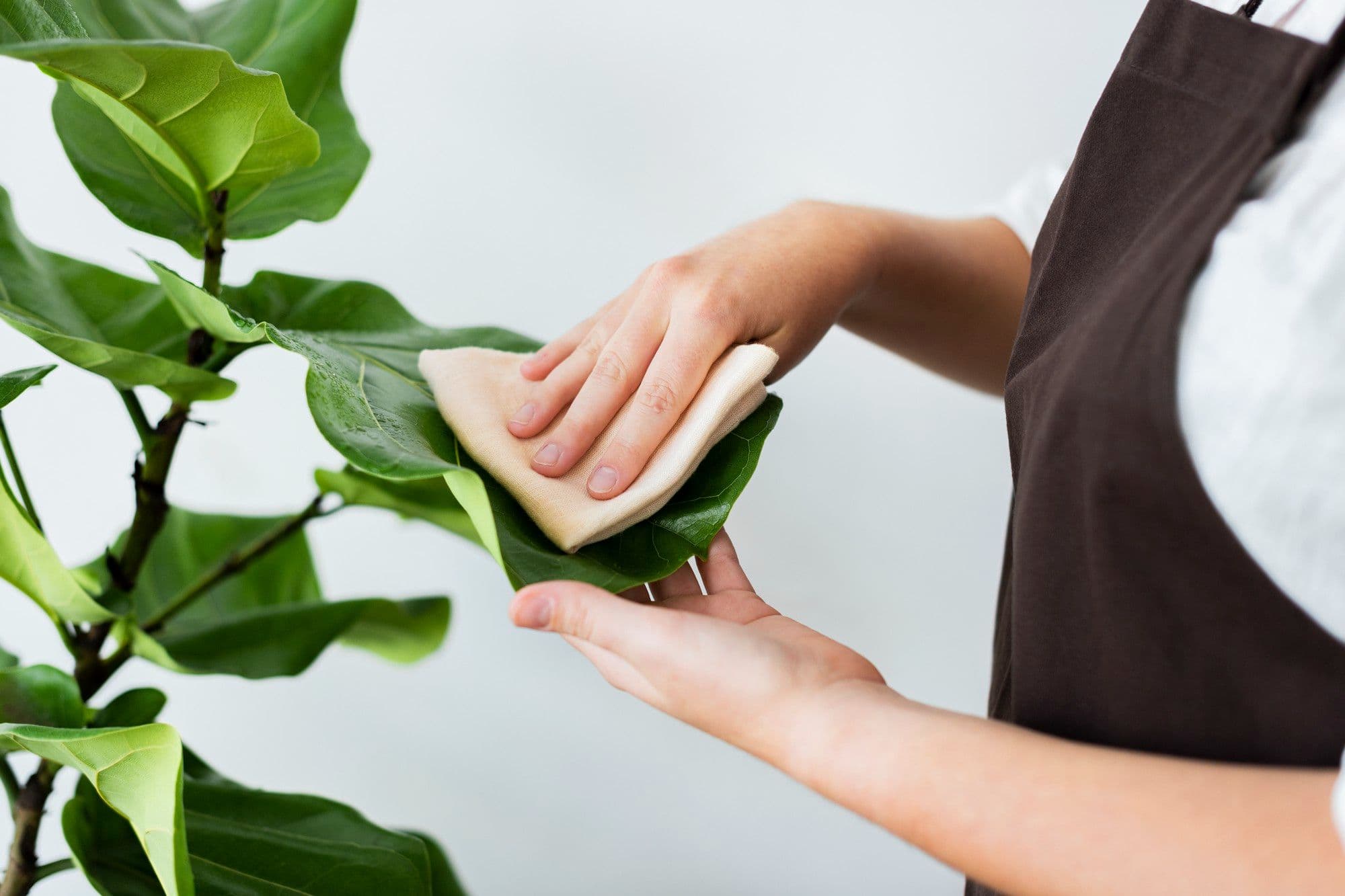
Dusty leaves look dull and don't absorb light well. Below, you'll find simple ways to clean them, which tools are truly effective, how often you should do it, and what causes damage.

Beginner Guides
How to Clean Plant Leaves: A Simple Care Guide
Plants That Repel Mosquitoes – 10 Effective Choices

8 min read · 6 Jul 2026

Plants That Repel Mosquitoes – 10 Effective Choices

Plants that repel mosquitoes can help mask human scent naturally and make outdoor spaces more comfortable. Explore the most effective options, their benefits and drawbacks, and choose the right plant for your space.

Plant Recommendations
Plants That Repel Mosquitoes – 10 Effective Choices
Top 5 Best Indoor Plants for Air Quality

5 min read · 11 Sept 2026

Top 5 Best Indoor Plants for Air Quality

Indoor plants can make a room feel fresher thanks to their air-purifying qualities. Here are 5 of the most suitable choices for your routine and living space.

Plant Recommendations
Top 5 Best Indoor Plants for Air Quality