

Nandina (Nandina domestica) Light Needs

Nandina grows best in partial sun, with several hours of direct light and some protection from harsh heat.

Light Preference

Partial Sun

Nandina domestica Light Requirements

Nandina domestica is native to parts of eastern Asia, where it grows as an understory and woodland-edge shrub. In these settings, it may receive open morning sun, filtered light through higher vegetation, or partial shade during hotter parts of the day. This flexible exposure explains its tolerance of full sun and shade in cultivation, but its preferred light is partial sun.

  • Ideal exposure:

    Nandina domestica needs about 6–8 hours of total light daily in partial sun, including about 3–5 hours of direct sun.

  • Full sun:

    Established outdoor plants can handle 6+ hours of direct sun when heat and reflected glare are not extreme.

  • Shade tolerance:

    It can survive in bright shade, but growth may be looser and flowering or fruit display can be reduced.

  • Hottest sun:

    In warm sites, morning sun with afternoon shade usually gives steadier color with less leaf scorch risk.

Strong sun is most likely to cause stress after a sudden move or during hot afternoon exposure.

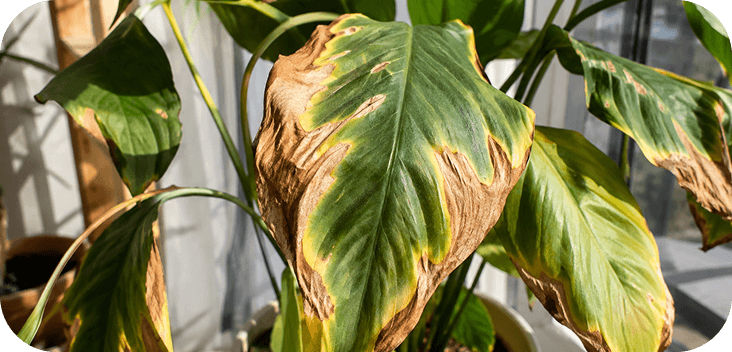
Scorched leaflets:

Tan or brown patches may appear on the most exposed leaflets, especially on the south or west side of the shrub.

Bleached color:

Foliage can look pale or washed out when direct sun combines with heat and reflected light.

Crisp outer growth:

Newer tips and outer leaves may dry faster than shaded inner growth after intense midday or afternoon sun.

Sudden contrast:

Damage often shows on sun-facing growth while protected interior leaves remain normal.

Move container-grown Nandina domestica into gentler morning sun or light afternoon shade. For planted shrubs, add temporary shade while the plant adjusts to brighter exposure.

Weak light usually shows as open, sparse growth rather than sudden damage. Nandina domestica can tolerate shade, but dense shade reduces vigor.

  • Long spacing:

    New stems may stretch with wider gaps between leaves as they reach toward brighter conditions.

  • Leaning growth:

    Container plants or young shrubs may angle toward the strongest available light.

  • Reduced bloom:

    Flowering and later fruit display can be limited when the plant receives too little direct or filtered sun.

  • Smaller new growth:

    Active-season shoots may produce smaller leaves and fewer sturdy stems than growth in brighter exposure.

Shift the plant gradually to partial sun, starting with morning exposure. Avoid moving a shaded plant straight into hot afternoon sun.

If ideal partial sun is not available, choose bright shade over harsh reflected afternoon sun in hot sites. Give container plants morning sun first, then adjust them toward brighter exposure over 1–2 weeks.

Rotate potted shrubs every few weeks during active growth to keep stems balanced and reduce one-sided leaning.

Deep shade against a wall is a poor setup because it usually reduces bloom and creates open growth.

Get Personalized Care Plan

Scan your plant to receive care tips personalized for your specific plant

FAQ

Nandina light requirements are best met with partial sun: bright exposure for much of the day, with about 3–5 hours of direct sun when conditions are not overly hot.

More Plant Light Guides

Get the Botan App

Discover how to care for your plants with Botan.

Botan app identifying a plant with a phone camera
Is Sugar Water Good for Plants?

4 min read · 14 Sept 2026

Is Sugar Water Good for Plants?

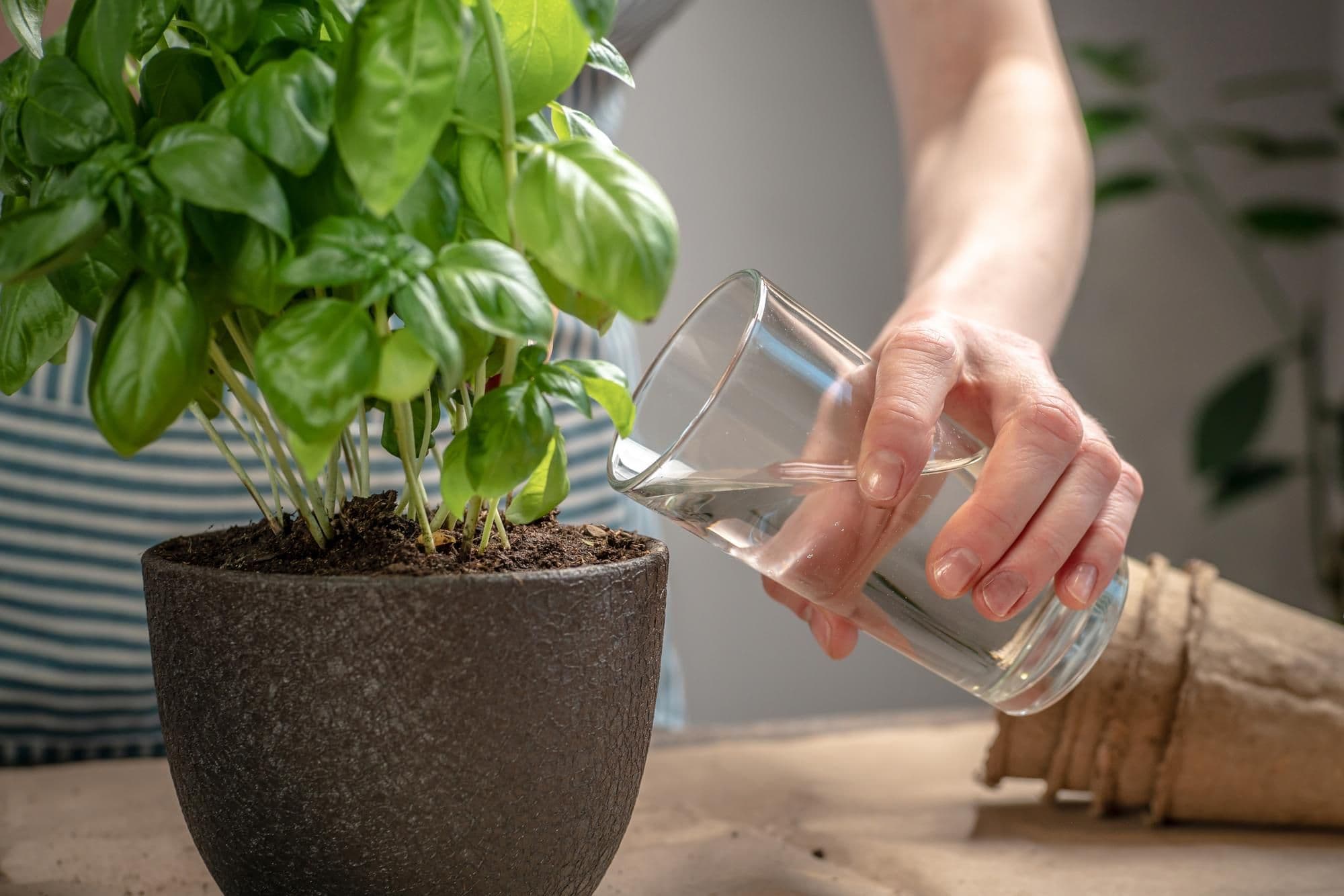
Sugar water may sound like an easy boost, but most rooted plants do not need extra sucrose. This guide explains how green tissues produce carbohydrates, when a sweetened solution can be useful, and why too much can cause problems.

Plant Care
Is Sugar Water Good for Plants?
How to Use a Moisture Meter for Plants

5 min read · 4 Sept 2026

How to Use a Moisture Meter for Plants

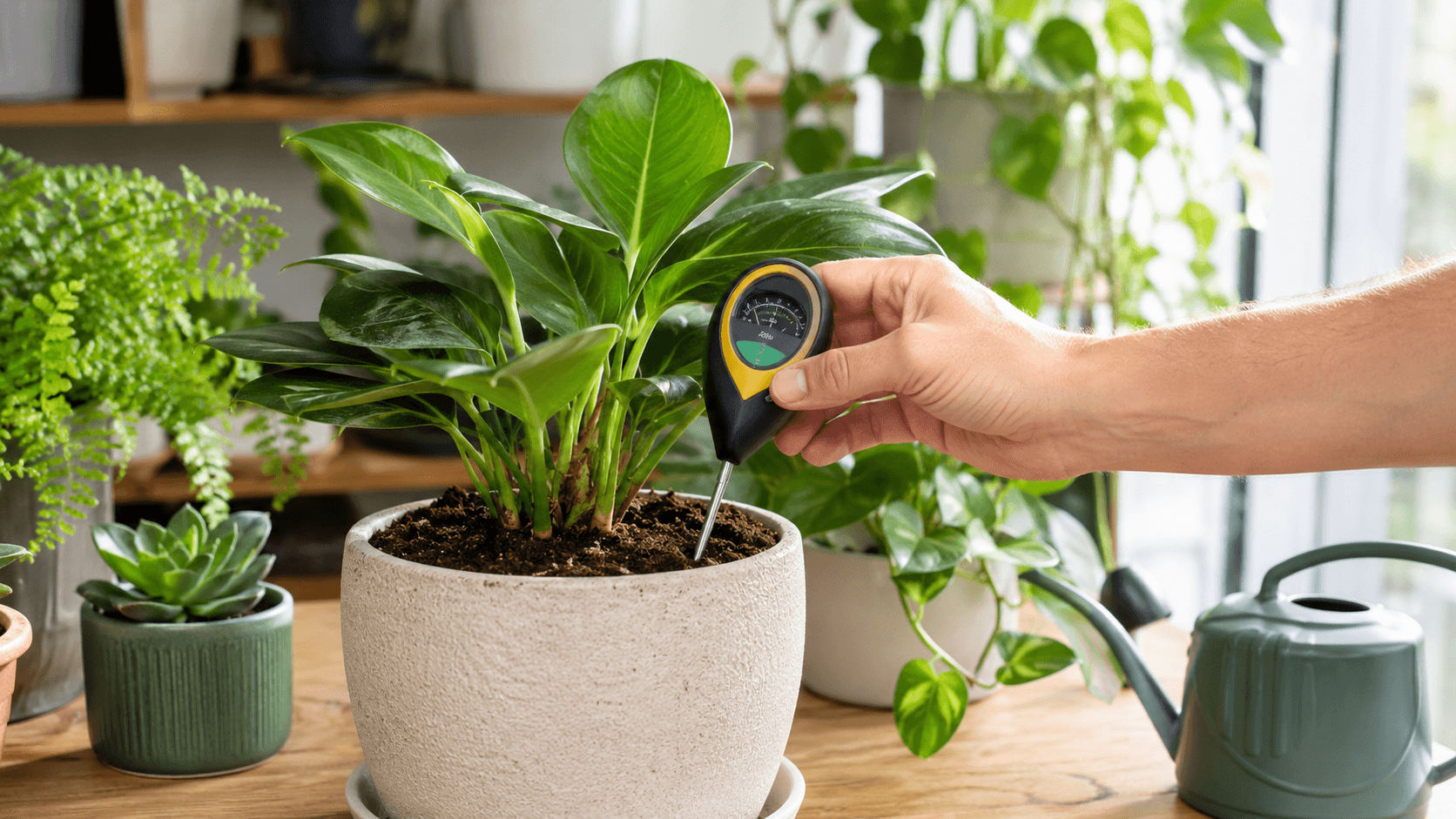
Watering by feel kills plenty of houseplants. A moisture meter checks the soil for you, and takes the guesswork out of it. This guide will show you how to use it correctly, from the first touch to the final reading.

Beginner Guides
How to Use a Moisture Meter for Plants
How to Mist Plants – Proper Technique and Common Mistakes

7 min read · 30 Jul 2026

How to Mist Plants – Proper Technique and Common Mistakes

Find out when misting works well and when to avoid it. Here, you’ll find detailed information about compatible and incompatible species, tips on how often to mist plants and do it correctly, and some great alternatives for raising humidity.

Beginner Guides
How to Mist Plants – Proper Technique and Common Mistakes