

Bigleaf Hydrangea (Hydrangea macrophylla) Light Needs

Hydrangea macrophylla grows best in partial shade, with bright filtered light and gentle morning sun.

Light Preference

Partial Shade

Hydrangea macrophylla Light Requirements

Hydrangea macrophylla is native to Japan, where it grows in mild, humid areas along woodland edges, slopes, and coastal thickets. In these settings, it often receives open morning light, filtered light through taller vegetation, and protection from the hottest afternoon sun.

This pattern explains its garden preference for moderated light rather than deep shade or all-day heat. Preferred light is partial shade with bright filtered light and some morning sun.

  • Ideal exposure:

    Hydrangea macrophylla needs about 6–8 hours of bright filtered light daily, including 2–4 hours of gentle direct morning sun.

  • Full sun tolerance:

    Full sun is tolerated in cool coastal or mild climates, but hot afternoon sun can scorch leaves and fade flowers.

  • Light shade:

    Light shade is tolerated, especially in hotter regions, but dense shade usually reduces flowering and weakens new growth.

  • Morning sun:

    Morning sun with afternoon shade gives the best balance for strong blooms and less heat stress.

Strong light problems usually show on the most exposed growth first.

Sun-facing leaf patches:

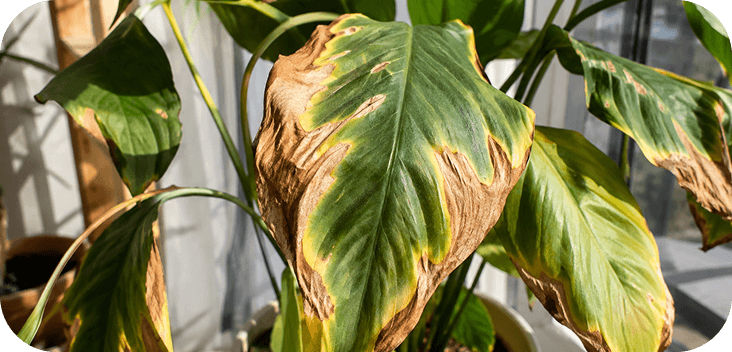
Pale tan or light brown areas may appear on leaves that receive sudden or prolonged direct afternoon sun.

Crisp exposed tissue:

Damaged spots can turn dry and papery, especially on outer leaves that face the brightest side.

Fast flower fading:

Flower clusters may bleach, brown, or age quickly when intense sun hits them during hot hours.

Midday curling:

Leaves may curl or droop during harsh sun, then look more normal after the light softens.

Move the shrub where morning sun is followed by afternoon shade, or add light filtering during the hottest hours. If exposure changed recently, reduce direct sun for several days before trying a brighter position again.

Weak light affects growth and flowering before it causes obvious leaf damage. Hydrangea macrophylla tolerates shade, but deep shade often limits performance.

  • Few blooms:

    Flowering may be sparse when the plant receives shade for most of the day.

  • Open stems:

    New stems can look longer and less sturdy as they stretch toward brighter areas.

  • Leaning growth:

    Branches may angle toward the brightest side instead of growing evenly.

  • Small new leaves:

    Fresh growth may stay smaller than expected during the active season.

Shift it to a brighter site with morning sun or high, filtered light. Avoid moving directly from dense shade into hot afternoon sun; increase exposure gradually.

Choose morning sun and afternoon shade when a site cannot provide evenly filtered light all day. In hot inland areas, brighter shade is a better compromise than afternoon sun.

Thin nearby overgrowth enough to let early light reach the shrub, and rotate container-grown plants every 1–2 weeks for even exposure.

Reject deep shade under solid structures because it usually limits flowering and creates weak, open growth.

Get Personalized Care Plan

Scan your plant to receive care tips personalized for your specific plant

FAQ

It grows best in partial shade with bright filtered light and some direct morning sun. The strongest afternoon sun is less suitable, especially in hot summer climates.

Everything About Bigleaf Hydrangea

More Plant Light Guides

Get the Botan App

Discover how to care for your plants with Botan.

Botan app identifying a plant with a phone camera
Plant Pot Sizes: How to Choose the Right Plant Container

7 min read · 20 Aug 2026

Plant Pot Sizes: How to Choose the Right Plant Container

Plant pot sizes can be confusing because the number on the label only tells you part of the required information. A container may look spacious but actually be too shallow. So, how to choose pot size for plant species?

Beginner Guides
Plant Pot Sizes: How to Choose the Right Plant Container
How to Mist Plants – Proper Technique and Common Mistakes

7 min read · 30 Jul 2026

How to Mist Plants – Proper Technique and Common Mistakes

Find out when misting works well and when to avoid it. Here, you’ll find detailed information about compatible and incompatible species, tips on how often to mist plants and do it correctly, and some great alternatives for raising humidity.

Beginner Guides
How to Mist Plants – Proper Technique and Common Mistakes
How to Increase Humidity for Plants – 8 Simple Ways That Work

8 min read · 14 Aug 2026

How to Increase Humidity for Plants – 8 Simple Ways That Work

Dry indoor air stresses a lot of houseplants. You usually notice it first in the browning leaf tips. This guide describes 8 simple ways to raise the moisture around your plants, from humidifiers to pebble trays.

Plant Care
How to Increase Humidity for Plants – 8 Simple Ways That Work