

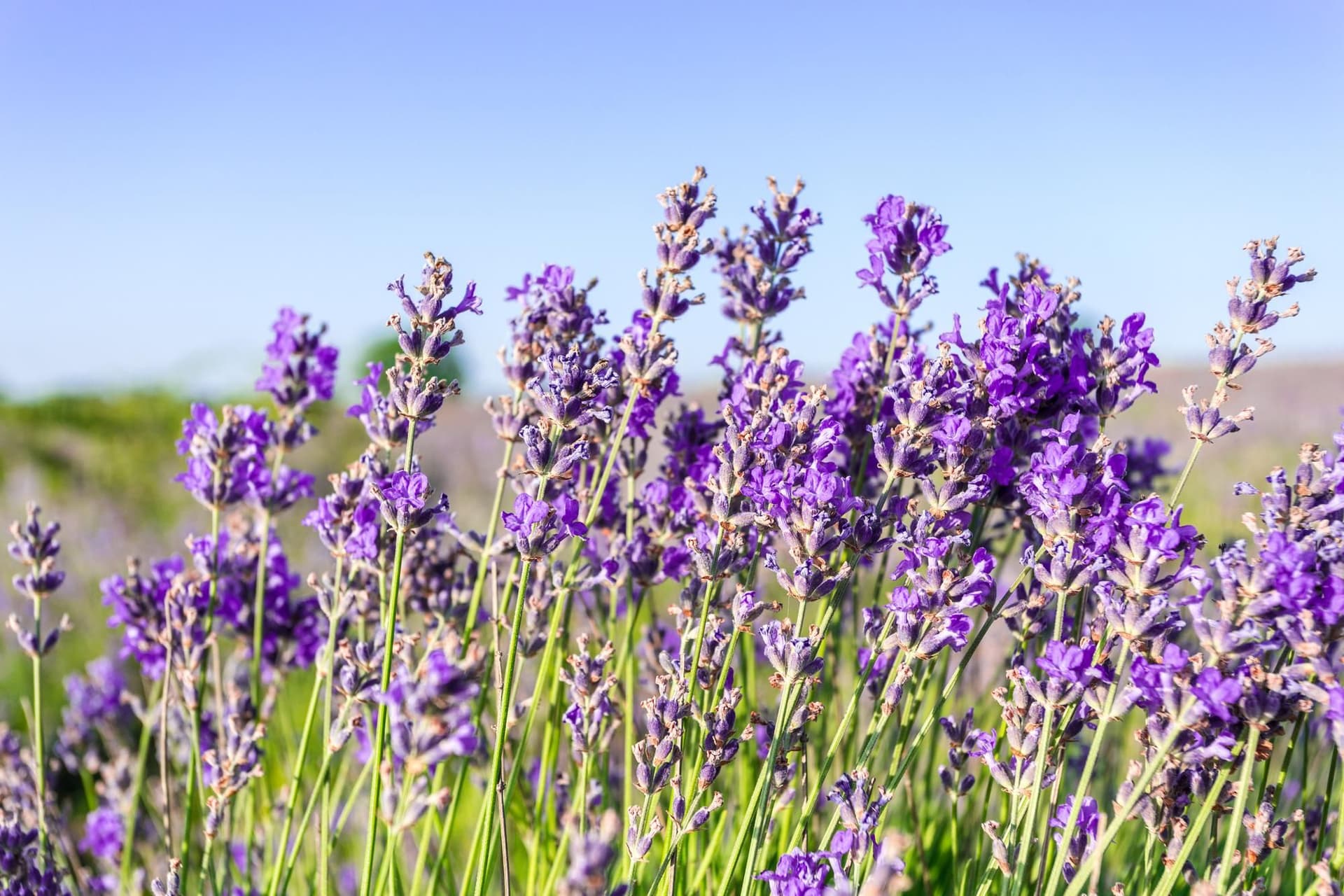
Spinning Top (Leucadendron rubrum) Light Needs

Spinning Top grows best in full sun, with long, direct exposure for dense growth and strong color.

Light Preference

Full Sun

Leucadendron rubrum Light Requirements

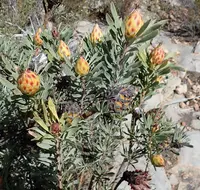
Leucadendron rubrum is associated with open, sun-exposed fynbos habitat where plants are not sheltered by a tree canopy. Light is bright for much of the day, and seasonal conditions can be dry, windy, and exposed rather than shaded.

This background explains its strong preference for garden positions with unobstructed sun and good air movement. Preferred light is full sun throughout most days.

  • Ideal exposure:

    Spinning Top needs about 6–8 hours of full sun daily, with at least 6 hours as direct sun when grown outdoors.

  • Direct sun:

    Mature plants tolerate direct midday sun well when acclimated and rooted in an open garden position.

  • Low-light limits:

    Shade and part sun usually lead to sparse growth and weaker flowering rather than compact structure.

  • Sudden changes:

    Newly planted or nursery-grown specimens can scorch if moved suddenly from protected conditions into hot afternoon sun.

This sun-adapted shrub usually handles strong light, but sudden exposure or reflected heat can cause stress.

Bleached patches:

Pale tan areas may appear on the most exposed leaves or bracts after an abrupt move into intense sun.

Crisp exposed tips:

Dry, brittle tips can develop on the side facing hot afternoon sun or bright reflected surfaces.

Patchy bronzing:

Uneven bronze or reddish tones may signal stress when they appear only on the sun-facing side.

Stalled new tips:

Tender shoots may stop expanding after a heat-and-sun spike, especially on young plants.

Move the plant out of reflected heat, or add light afternoon shade while it adjusts. Reintroduce full sun gradually over 1–2 weeks.

Weak light usually shows as open, stretched growth. Leucadendron rubrum is not suited to shade.

  • Long gaps:

    New stems may form wider spaces between leaves, giving the shrub a loose, stretched outline.

  • Leaning growth:

    Shoots may angle toward the brightest side instead of staying evenly upright.

  • Few flower structures:

    Low light can reduce flowering and cone development during the active season.

  • Small new leaves:

    Fresh growth may stay smaller and weaker when the plant receives shade for much of the day.

Move it to a fully open position with longer direct sun. Avoid judging recovery from old growth; watch the next flush of shoots.

If ideal exposure is not available, choose the most open outdoor position that receives direct sun for the longest part of the day. Prioritize morning and midday sun over shade.

Reduce competition for light by pruning back overhanging growth nearby and keeping the plant away from walls that cast long shadows.

A shaded patio is an unsuitable setup because it cannot meet full-sun growth demands.

Get Personalized Care Plan

Scan your plant to receive care tips personalized for your specific plant

FAQ

This plant needs full sun, not shade or low indoor light. The best light for Spinning Top is open, direct sun for most of the day.

More Plant Light Guides

Get the Botan App

Discover how to care for your plants with Botan.

Botan app identifying a plant with a phone camera
12 Best Plants That Repel Spiders For Your Home and Garden

8 min read · 24 Jul 2026

12 Best Plants That Repel Spiders For Your Home and Garden

Spiders constantly appear in places you don't want them. A few common plants can help repel them using scent alone. Here are 12 options suitable for both indoors and outdoors, plus care tips for each.

Plant Recommendations
12 Best Plants That Repel Spiders For Your Home and Garden
12 Most Wanted Rare Houseplants to Grow at Home

6 min read · 21 Sept 2026

12 Most Wanted Rare Houseplants to Grow at Home

Rare houseplants can turn an ordinary corner in your apartment into a living botanical collection. This guide covers 12 most admired picks, what makes them special, and how to grow them successfully at home.

Plant Recommendations
12 Most Wanted Rare Houseplants to Grow at Home
Thorny Plants: A Comprehensive Guide

10 min read · 25 Aug 2026

Thorny Plants: A Comprehensive Guide

Many plants defend themselves with sharp thorns. This guide explores over 20 examples among flowers, shrubs, trees, and vines. You'll learn what each plant looks like, why it grows thorns, and how to quickly identify them.

Plant Recommendations
Thorny Plants: A Comprehensive Guide