Spinning Top Care (Leucadendron rubrum)

Also known as: Spinning-top Conebush, Hillock Gisonia, Plumosum, Small-Head Euryspermum, Top Bush
Spinning Top

About Spinning Top

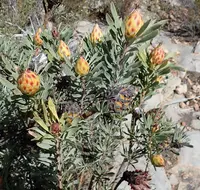
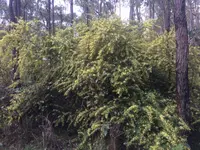
Spinning top, Leucadendron rubrum, is a compact evergreen shrub from the fynbos regions of South Africa. It belongs to the Proteaceae family, known for sun-loving, drought-tolerant species.

The plant forms a neat, rounded shape with narrow leaves and colorful bracts that develop warm red tones, especially in cooler seasons. It is often used as a feature shrub or in low-maintenance, Mediterranean-style gardens.

This species prefers full sun, sharply drained, low-fertility soil and does not tolerate heavy, waterlogged conditions. Understanding these natural conditions is key to how to care for Spinning Top and keep it long-lived in cultivation.


Main Plant Requirements

Care Difficulty

Moderate Care

Light Preference

Full Sun

Water Requirements

Low Water

Temperature Preference

Warm Climate

Hardiness Zone

9–11

Soil Texture

Sandy, Loamy, Rocky

Soil pH

Acidic (5.5–6.5), Slightly acidic (6.5–7.0)

Soil Drainage

Well-drained

Fertilization

Minimal (feed rarely)

Get Personalized Care Plan

Scan your plant to receive care tips personalized for your specific plant

Available on iOS and Android

How to Care for the Spinning Top

Leucadendron rubrum prefers bright, open conditions that mimic its native, sunny shrublands.

  • Provide 6–8 hours of direct sun daily; morning and midday sun are ideal, with light afternoon shade in very hot, inland sites.
  • Tolerates light or dappled shade for part of the day, but dense shade leads to leggy growth and fewer colorful bracts on Spinning Top.
  • In winter, ensure plants are not shaded by buildings or trees, since low seasonal sun can already reduce color intensity and vigor.

This species prefers infrequent, deep watering and fast-draining soil to avoid root problems.

  • Water when the top 4–6 cm of soil is completely dry, using a slow, deep soak so moisture reaches the root zone without saturating soil for long periods.
  • In cool or rainy seasons, reduce watering or skip entirely if natural rainfall keeps soil lightly moist; well-drained, sandy or rocky soil is best.
  • Signs of overwatering include blackened stems, wilting despite wet soil, and sour odor; dry, crispy leaves and pale new growth suggest underwatering in Leucadendron rubrum.

This shrub thrives in mild, Mediterranean-type climates with warm, dry summers and cool, frost-light winters.

  • Optimal growth occurs around 65–80°F (18–27°C), with good airflow to prevent heat buildup around dense foliage.
  • Mature plants typically tolerate brief drops to about 25–28°F (-4 to -2°C), but repeated hard frosts can damage young tips and flowers.
  • In hot regions above 90°F (32°C), protect roots with mulch and provide light afternoon shade to limit heat stress and leaf scorch.

Leucadendron rubrum prefers dry, airy conditions and does not need elevated humidity.

  • Aim for 30–50% humidity, similar to typical indoor air in heated or air-conditioned homes.
  • Dry air is usually tolerated; problems arise more from poor air movement and excess moisture than from low humidity.
  • Humidity stress appears as blackened stem bases or leaf drop when air is humid but foliage and soil stay wet; increase airflow rather than misting Spinning Top.

Leucadendron rubrum needs very fast-draining, sandy soil to prevent root rot.

  • Use a sandy, gritty mix, such as 50–60% coarse sand or fine gravel with the rest lean loam or a low-nutrient potting mix.
  • Ensure sharp drainage; water should run through in seconds and the top layer should dry quickly between waterings.
  • Keep pH slightly acidic to neutral, roughly 5.5–7.0, avoiding strongly alkaline or salty soils that restrict nutrient uptake.
  • Improve aeration by mixing in coarse materials like pumice or small gravel and avoid heavy clay, peat-heavy mixes, or water-retentive composts.

This species can be grown in containers if the pot is prepared for its deep, fast-draining root system.

  • Choose a tall, heavy pot that resists tipping, as woody growth becomes top-heavy in wind or on balconies.
  • Select thick-walled terracotta or concrete to reduce moisture buildup and keep roots cooler in full sun.
  • Elevate the container on pot feet so drainage holes stay clear and excess water escapes quickly after rain or watering.

This South African shrub is adapted to low-nutrient soils, so fertilizing Spinning Top should be light and infrequent.

  • Use a low-phosphorus, balanced slow-release fertilizer or well-aged, low-nutrient compost formulated for proteas.
  • Feed once at the start of spring, then again in mid-summer if growth is weak; avoid monthly applications.
  • Apply at half the label rate to prevent root burn and nutrient toxicity in sensitive protea roots.
  • Do not fertilize in late fall or winter, when growth slows and excess nutrients can stress the plant.

Pruning supports compact shape and flowering in Leucadendron rubrum while maintaining plant health.

  • Best time is late winter to early spring, just after bracts fade but before strong new growth starts.
  • Remove dead, damaged, or crossing stems first, cutting back to healthy wood with clean, sharp bypass pruners.
  • Shorten overly long, leggy shoots by up to one-third to encourage branching and denser foliage.
  • Avoid cutting into old, leafless wood, as this may not reshoot and can leave permanent gaps in the plant.

Container-grown plants or young shrubs benefit from careful transplanting to maintain strong, deep roots.

  • Look for roots circling the pot, water running straight through, or slowed growth as cues to move up 1 pot size.
  • Plan transplanting for late winter to early spring, allowing roots to establish before summer heat or winter chill.
  • Transplant every 2–3 years, using a sharply drained, acidic mix such as sandy, low-phosphorus protea substrate.
  • Gently tease outer roots, keep the root ball mostly intact, water lightly, then shade from intense sun for 3–5 days.

New Leucadendron rubrum plants are usually produced from semi-hardwood cuttings or seeds under controlled conditions.

  • Take semi-hardwood cuttings in late summer to early fall, using non-flowering shoots 8–12 cm long.
  • Remove lower leaves, wound the base slightly, and dip in a low-phosphorus rooting hormone if available.
  • Insert cuttings into a very free-draining, sterile mix, then keep at 68–75°F with high humidity and bright, indirect light.
  • Sow fresh seed in late winter in acidic, sandy mix, providing cool nights, mild days, and even but light moisture.

This shrub tolerates light frost but benefits from basic winter protection in colder regions.

  • Established plants handle brief drops to about 25°F, but younger shrubs are more sensitive to freezing.
  • Add a 5–8 cm layer of coarse mulch around the root zone, keeping it slightly away from the woody stems.
  • In zones colder than 9, grow in containers and overwinter in a bright, cool, frost-free space with good airflow.

Care Tips

Root-zone protection

Apply a 3–5 cm layer of coarse, inert mulch such as gravel or crushed stone around the root zone to keep roots cool, suppress weeds, and avoid the rot risk associated with organic mulches that hold too much moisture against the crown.

Wind shaping

Site young plants where they receive consistent light wind or lightly stake and tie them with soft ties for the first 1–2 years, which encourages a sturdier framework and reduces breakage of brittle stems in coastal or exposed gardens.

Selective stem harvesting

When cutting stems for arrangements, always take entire shoots back to a well-placed side branch, which both provides longer-lasting cut material and encourages dense, compact regrowth instead of leaving stubs that die back.

Low-phosphorus neighbors

Plant alongside other low-phosphorus, Mediterranean or South African shrubs rather than heavy-feeding annuals, so that shared soil and fertilization practices stay compatible with this species’ sensitivity to high phosphorus levels.

Container renewal cycle

If grown in containers, plan to root-prune and repot into fresh, sharply drained mix every 2–3 years, trimming no more than 15–20% of the root mass to maintain vigor and prevent the plant from becoming pot-bound and stressed.

Everything About Spinning Top

Common Pests and Diseases

Phytophthora root rot

This disease affects the fine proteoid roots when soil stays wet and poorly drained, leading to rapid wilt and collapse. Symptoms include dull, grey-green foliage, dieback of stems, and sudden death despite moist soil.

Solution

Improve drainage immediately, allow the soil to dry between waterings, and avoid any standing water around the root zone. Remove and discard severely affected plants, avoid adding phosphorus-rich fertilizers, and if growing in containers, repot into fresh, free-draining, low-phosphorus mix and disinfect pots and tools.

Botrytis blight

This disease appears in humid, stagnant air as grey fungal growth on leaves, bracts, and spent flowers. Symptoms include brown, water-soaked spots that develop fuzzy grey mold, especially on dense or shaded growth.

Solution

Remove and discard all affected tissue and spent flowers, and improve air circulation by thinning crowded stems and avoiding overhead watering late in the day. Keep foliage dry, clean up fallen debris, and in persistent cases use a labeled fungicide for ornamental shrubs, following local guidelines.

Leaf spot

This disease causes small dark or tan lesions on the foliage, sometimes with purple margins and a yellow halo, which can coalesce and cause premature leaf drop. Symptoms include patchy thinning of the canopy and reduced vigor in humid or shaded sites.

Solution

Prune out and dispose of infected leaves and twigs, keeping pruning tools disinfected between cuts. Reduce overhead watering, increase light and airflow, and maintain a dry mulch layer rather than bare, wet soil around the base to limit splash spread.

Scale insects

These insects attach to stems and leaf undersides as small bumps and feed on plant sap, causing yellowing leaves and reduced vigor. This pest often excretes sticky honeydew that can encourage sooty mold on foliage.

Solution

Physically remove light infestations by gently scraping or wiping with a cloth dipped in diluted alcohol, then rinse the plant. For heavier populations, apply a horticultural oil spray to thoroughly coat stems and leaf undersides, repeating as directed to cover the crawler stages.

Protea beetle

This pest, including various protea-associated scarab beetles, feeds on flower bracts and young foliage, causing ragged edges and cosmetic damage to ornamental displays. Symptoms include chewed flowers and sometimes frass around feeding sites.

Solution

Inspect plants regularly during flowering periods and hand-pick adult beetles in the evening or early morning, dropping them into soapy water. Where pressure is high, use fine mesh barriers around high-value flowering stems and minimize nearby night lighting that attracts adults to the plant.

Interesting Facts

Fire-adapted seed strategy

This species stores its seeds in woody cone-like flower heads that remain closed on the plant and only release seeds after exposure to fire, a strategy known as serotiny that suits its native fire-prone fynbos habitat in South Africa.

Distinctive red foliage display

The female plants develop striking red-tinted bracts around the cone heads, with color intensity increasing in cooler seasons, which helps attract pollinators and makes it popular in cut flower production.

Protea family specialist

As a member of the Proteaceae, it is adapted to very nutrient-poor, acidic, sandy soils, using specialized cluster roots that greatly increase its ability to absorb phosphorus and other scarce nutrients.

Botan icon

Did you know?

In the wild, this species often occurs in small, localized populations that are tightly associated with specific sandstone-derived soils and microclimates in the Western Cape fynbos, making it sensitive to habitat loss and changes in fire regimes.

FAQs about Spinning Top

Poor flowering usually comes from plants being too young, pruned at the wrong time, or stressed by rich fertiliser or heavy watering. Avoid high-phosphorus feeds, keep soil lean and well-drained, and prune lightly only after bracts fade.

Grow Healthy Plants with Botan Care

Keep your plants happy and healthy with plant identification, disease detection, and easy care guidance.

Botan plant care app — identify plants on mobile

Explore More Plants