


Discreet stem support
Install low, semicircular shrub supports or short peony hoops around the plant in early spring so the flexible flowering stems stay upright and do not flop after heavy rain.

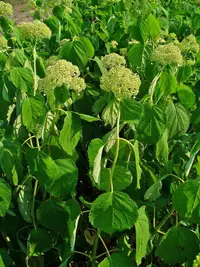
Wild hydrangea (Hydrangea arborescens) is a deciduous flowering shrub native to woodlands and rocky slopes in the eastern United States. It forms a rounded shape with upright stems and broad, toothed leaves. In summer it produces clusters of small white flowers that can age to greenish tones, giving a light, informal look in shade or part shade gardens. Plants are generally cold hardy and adaptable, which makes them easier to establish than many bigleaf hydrangeas. They respond well to regular moisture and fertile, well-drained soil, which helps owners understand how to care for Wild hydrangea in typical home landscapes.

Care Difficulty
Moderate Care

Light Preference
Partial Shade

Water Requirements
Regular Water

Temperature Preference
Cold Hardy

Hardiness Zone
3–9

Soil Texture
Loamy, Silty, Organic-rich

Soil pH
Acidic (5.5–6.5), Slightly acidic (6.5–7.0)

Soil Drainage
Moist but well-drained

Fertilization
Minimal (feed rarely)
Scan your plant to receive care tips personalized for your specific plant
Available on iOS and Android
Hydrangea arborescens thrives in bright but gentle outdoor light with some daily shade.
Hydrangea arborescens prefers consistently moist, well-drained soil without staying soggy.
This species is a cold-hardy shrub that handles a wide outdoor temperature range when established.
This shrub prefers moderate outdoor humidity but tolerates a typical garden range.
This species grows best in consistently moist, well-aerated, organic-rich soil.
This hydrangea is suitable for container growing outdoors when placed in a stable, generously sized pot.
Hydrangea arborescens benefits from light, targeted feeding rather than heavy fertilization, even though Wild hydrangea grows well in natural soils.
Hydrangea arborescens flowers on new wood, so pruning helps control size and maintain strong flowering.
This species is most often grown in the ground, so focus on transplanting rather than frequent repotting.
Hydrangea arborescens is commonly propagated from vegetative material to maintain cultivar traits and predictable flowering.
Hydrangea arborescens is cold hardy in most temperate gardens and usually needs only modest winter care.

Plant Health Check
Not sure what's wrong with your plant? Check your plant's health inside the app.
This species is naturally distributed in the eastern United States, especially in the Appalachian region, where it grows in open woodlands, forest edges, and along streams on moist, well-drained soils.
Flower buds form on the current season’s growth (new wood), which is why this shrub can be pruned hard in late winter and still flower reliably in summer, unlike many bigleaf hydrangeas that bloom on older stems.
In the wild form, the flower heads are typically lacecap-type, with a ring of showy sterile florets surrounding many small fertile ones, providing both visual display and nectar and pollen resources for pollinators.

The species was one of the earliest North American hydrangeas described by European botanists, formally named in the 18th century, and it later became the parent of popular cultivars such as Hydrangea arborescens 'Annabelle' that revolutionized ornamental hydrangea breeding in temperate gardens.
Lack of flowers often comes from too much shade, heavy pruning in late spring, or excess nitrogen fertilizer. Ensure at least partial sun, prune only in late winter, and use a balanced or low-nitrogen fertilizer to support buds.
Keep your plants happy and healthy with plant identification, disease detection, and easy care guidance.

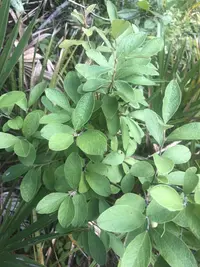
hairytwig huckleberry
Gaylussacia tomentosa
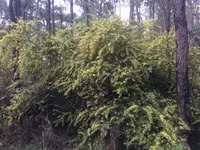
Karri Wattle
Acacia pentadenia
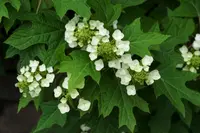
Oakleaf hydrangea
Hydrangea quercifolia
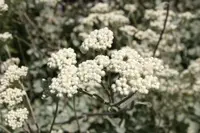
Licorice plant
Helichrysum petiolare
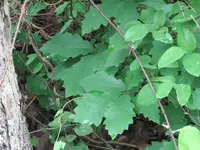
dwarf chinkapin oak
Quercus prinoides
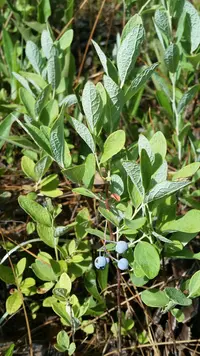
Confederate huckleberry
Gaylussacia nana
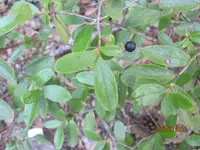
woolly huckleberry
Gaylussacia mosieri

Blue Rug Juniper
Juniperus horizontalis 'Wiltonii'